Kamakazu ise-daijingū, Shinto shrine in Japan
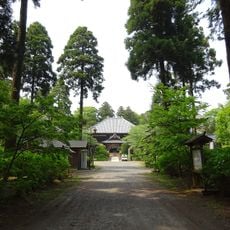
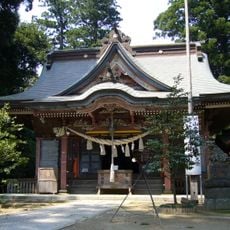
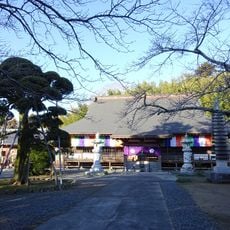
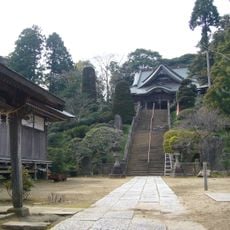
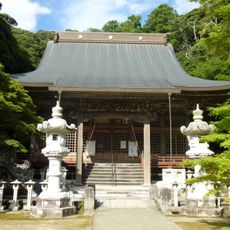
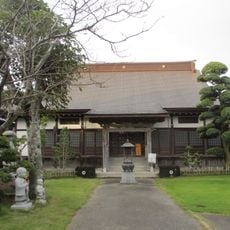
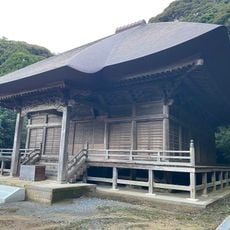
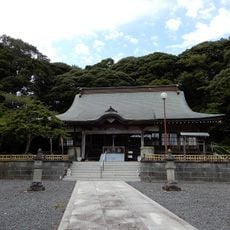
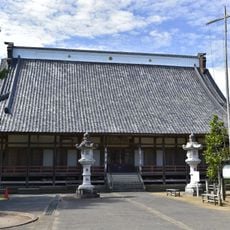
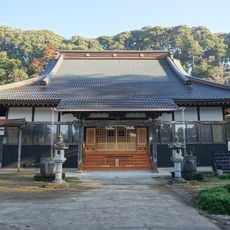
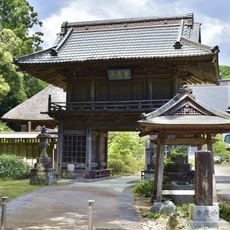
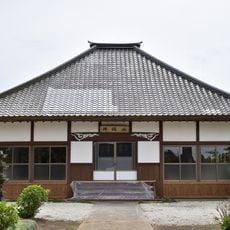
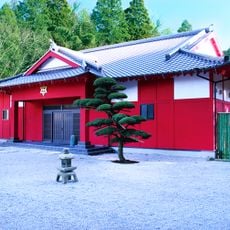
Kamakazu ise-daijingū is a small Shinto shrine in Asahi with a traditional wooden structure and simple decorations. The grounds are surrounded by trees and feature stone lanterns and small statues that create a calm and orderly setting.
Founded in 1671 by Umetani Sachūdayū Nagashige, a priest of the Ise Inner Shrine, the shrine was built after his prayers helped open a drainage channel to the Pacific, allowing the reclamation of Tsubakiumi marsh and its 80,000-koku paddy fields; it became their tutelary shrine. In 1735 a carpenter from Ise rebuilt the hall on the Inner Shrine model, but Ise authorities objected and the building was demolished; the present hall is a later replacement. It was ranked a gōsha in 1928.
Each 27 and 28 March the kagura hall hosts Kamakazu no kagura, a twelve-piece Shimōsa kagura cycle performed since 1756 and designated a Chiba Prefecture intangible folk cultural property in 1965. Its pieces include Sarutahiko, Uzume, Okame, Chikarao, Hachiman, the field god and Tai-tsuri. Child dancers also perform the shide and fan dances.
Kamakazu ise-daijingū is a 15-minute walk from JR East's Higata Station on the Sōbu Main Line. The annual festival is held on 27 and 28 March, when the kagura is performed in the shrine's kagura hall.
The shrine's kagura, performed at the March 27–28 annual festival, has run since 1756 and was designated a Chiba Prefecture intangible folk cultural property in 1965. Its twelve-piece Shimōsa repertoire includes Sarutahiko, Uzume, Okame and Taitsuri, and child dancers also perform the Shide and Sensu dances.
The community of curious travelers
AroundUs brings together thousands of curated places, local tips, and hidden gems, enriched daily by 93,485 contributors worldwide.