Teppōzu Inari-jinja, Shinto shrine in Japan
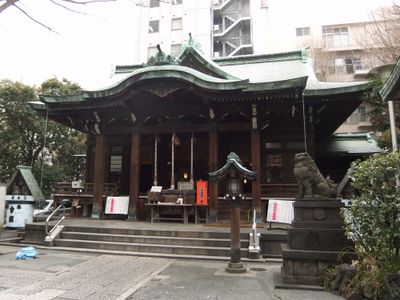
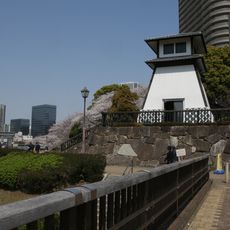
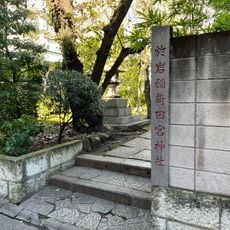
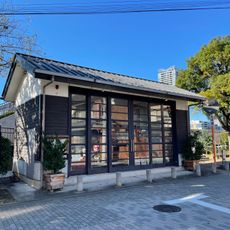
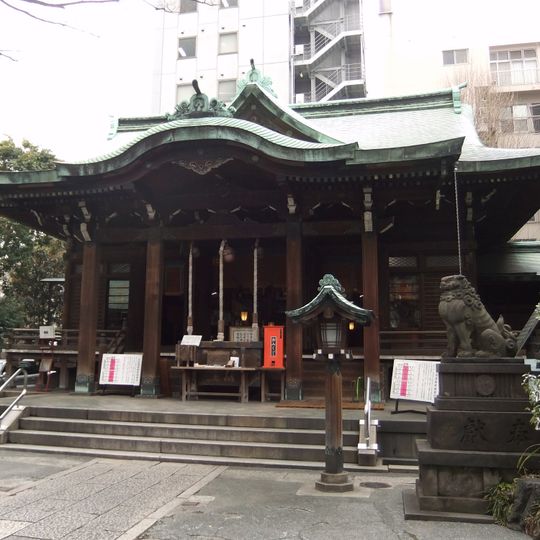
Teppōzu Inari-jinja is a Shinto shrine in the Chūō-ku district of Tokyo, Japan. It occupies a small plot in an urban block and follows the classic layout of an Inari shrine, with a torii gate, a stone-paved approach, a purification basin, and a main hall for prayers.
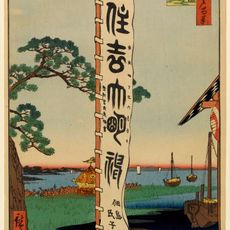
The shrine traces its origins to the Edo period, when the Teppōzu area was a waterfront neighborhood inhabited by fishermen and craftsmen. It survived major disasters including the 1923 earthquake and the Second World War, and was rebuilt each time on the same ground.
The shrine is dedicated to Inari, a deity connected to harvests, commerce, and good fortune, and the red torii gates at the entrance reflect this tradition. Worshippers often leave small fox figurines, since foxes are seen as messengers of Inari in Japanese belief.
The shrine sits in a dense urban neighborhood in Chūō-ku and is easy to reach on foot from nearby metro stations. Before entering the main area, it is customary to rinse your hands at the purification basin, and speaking quietly near the hall is expected.
The name Teppōzu literally means "gun island" in Japanese, recalling that a shooting range once occupied this part of what is now central Tokyo during the Edo period. Nothing of that past remains to see today, but the shrine's name keeps the memory alive in the middle of the city.
The community of curious travelers
AroundUs brings together thousands of curated places, local tips, and hidden gems, enriched daily by 60,000 contributors worldwide.