Mount Yari, Mountain in Hakuba, Nagano, Japan
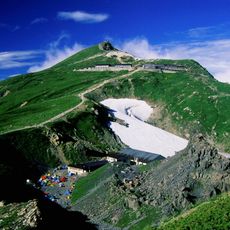
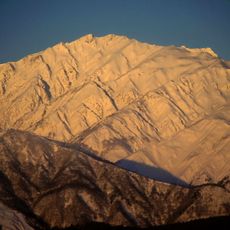
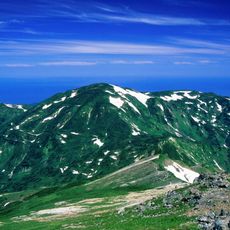
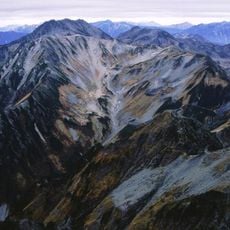
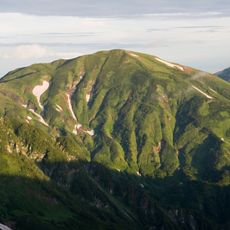
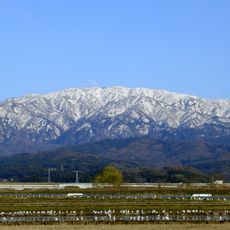
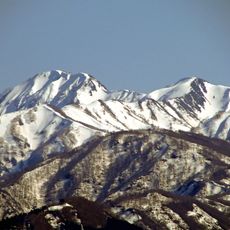
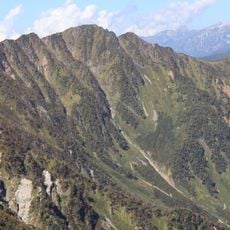
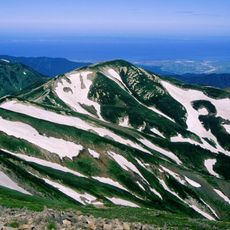
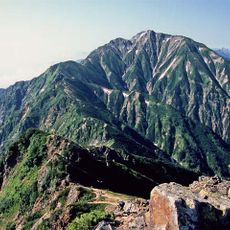
Mount Yari, also called Shirouma-Yarigatake, is a 2,903-meter peak on the border of Nagano and Toyama prefectures in the northern Hida Mountains. It forms the Shirouma Three Mountains together with Shirouma-dake and Shakushi-dake. Just below the summit, a limestone outcrop is exposed, and trilobite fossils have occasionally been found there.
The first documented ascent was made by the Buddhist priest Banryu in 1828. British explorer William Gowland reached the summit in 1878. The mountain is one of the Hakuba Three Peaks with Shirouma-dake and Shakushi-dake, and its limestone outcrops have yielded rare trilobite fossils.
The mountain is called Shirouma Yarigatake, or Shirouma Yari for short, to distinguish it from Yarigatake in the southern Northern Alps. The name Yari, meaning spear, refers to the pointed summit. Together with Shirouma-dake and Shakushi-dake it forms the Shirouma Sanzan, the three mountains of Shirouma.
The climbing season runs from July through October, when mountain lodges along established routes offer shelter and meals for hikers. Plan for either a day hike or an overnight stay depending on your fitness level.
The summit sits directly above an outcrop of limestone, and trilobite fossils have been found there, though rarely. The mountain is counted with Shirouma-dake and Shakushi-dake as the Shirouma Three Peaks, and its official height is 2,903 m.
The community of curious travelers
AroundUs brings together thousands of curated places, local tips, and hidden gems, enriched daily by 93,465 contributors worldwide.