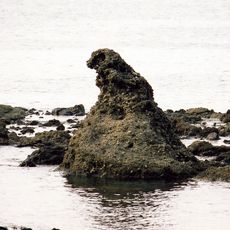
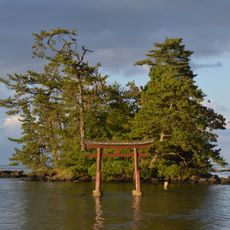
須須神社, Shinto shrine in Japan
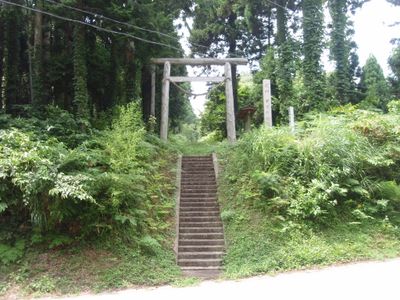
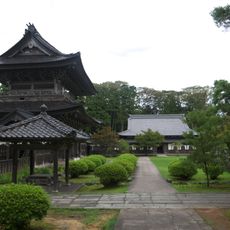
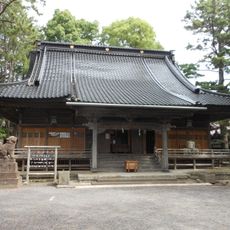
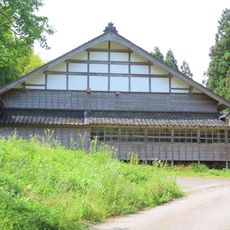
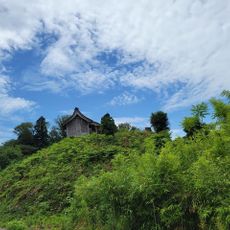
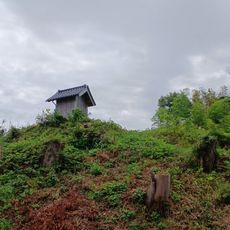
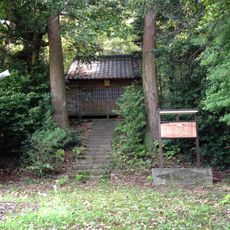
Susu Shrine is a Shinto shrine located in the city of Suzu, featuring traditional wooden buildings and a simple design that blends with its natural surroundings. The grounds contain ritual spaces, a treasure hall holding cultural artifacts, stone lanterns, a water basin for purification, and a protected forest area with moss-covered stones and gravel paths.
The shrine originated on Mount Yamabushi-yama before being relocated to its current location in Suzu, with roots tracing back to the reign of the 10th emperor. Throughout the centuries, particularly during the Sengoku period, it gained strong patronage from local feudal lords and warriors who recognized its role as a protective sanctuary.
The shrine holds deep meaning for the local community as a place where people gather to honor tradition and connect with their heritage through prayer and seasonal celebrations. The annual festivals and ritual practices reflect how residents keep their spiritual customs alive in their daily lives.
The shrine is accessible year-round at no cost for prayer and general visits. The treasure hall displaying cultural artifacts is open from spring through autumn and requires advance reservations to view the collection.
The shrine houses a legendary flute called Semioritsunofue, said to have been gifted by the warrior Minamoto Yoshitsune as thanks for being rescued during a sea storm. Every March, the shrine hosts the Matai Uchishinji festival where visitors attempt to shoot arrows at a target to ward off misfortune and pray for protection and safety.
The community of curious travelers
AroundUs brings together thousands of curated places, local tips, and hidden gems, enriched daily by 92,194 contributors worldwide.