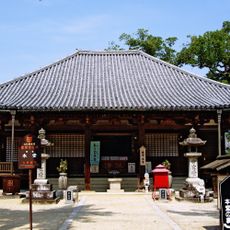
Kagawa-yōsui, Historical aqueduct in Kagawa Prefecture, Japan.
Kagawa-yōsui is an irrigation system in Kagawa Prefecture that moves water through a network of channels across different elevations. The channels were built to supply agricultural areas with dependable water for farming.
The system was built during the Edo period to bring water to farming communities and support the region's agriculture. This construction allowed previously dry areas to be irrigated and settlement to expand.
The water system remains essential to local farming life, shaping how irrigation works across the region. Farmers depend on these channels for watering their fields throughout the growing seasons.
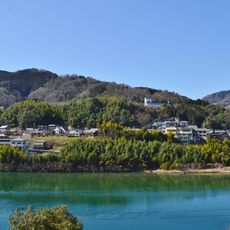
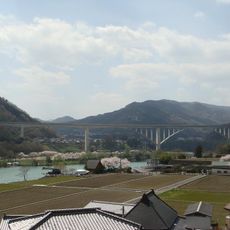
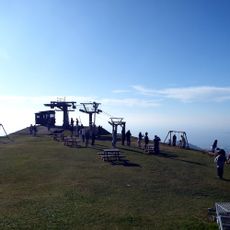
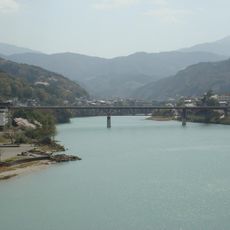
The area around the channels is viewable from high points, and many sections can be explored on foot. The best time to visit is during growing seasons when you can see how water reaches the surrounding fields.
The system uses natural elevation changes to move water without mechanical pumps, making it a clever engineering solution. This technique allowed water to be carried across long distances before modern technology existed.
The community of curious travelers
AroundUs brings together thousands of curated places, local tips, and hidden gems, enriched daily by 90,809 contributors worldwide.