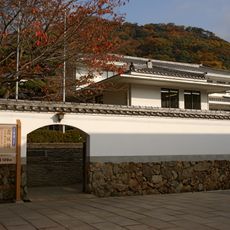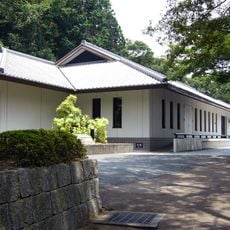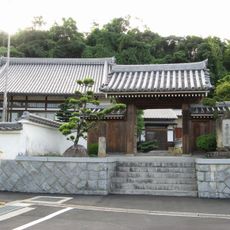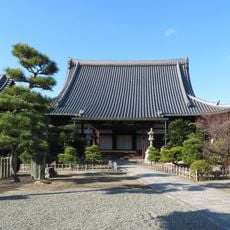
A sō-jinja, Shinto shrine in Japan
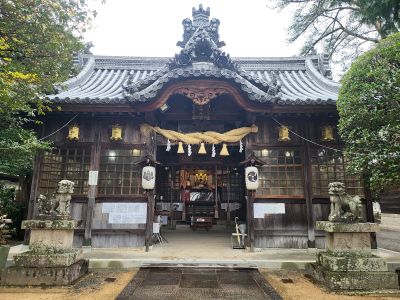
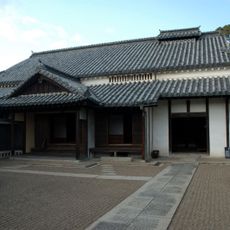
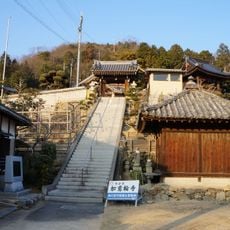
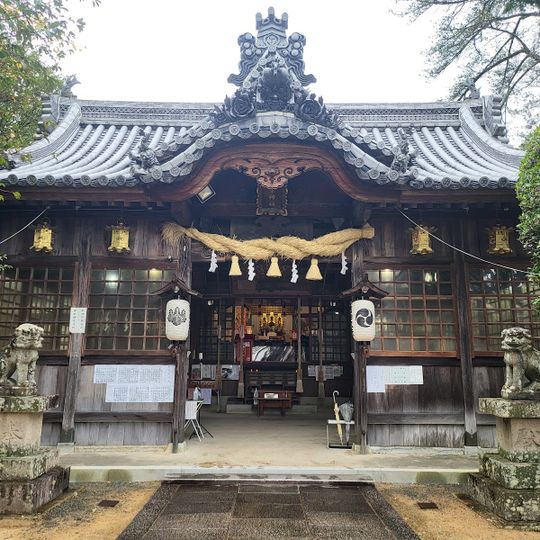
A sō-jinja is a Shinto shrine in Tatsuno built in the nagare-zukuri style. The roof curves and extends forward over the main hall, while natural materials like cypress bark or thatch cover it, giving the structure a calm appearance.
The nagare-zukuri style evolved from the older shinmei-zukuri style with straight roofs, refined by the addition of curved lines. The oldest surviving example dates to the late Heian period, showing this design's long place in Japanese shrine architecture.
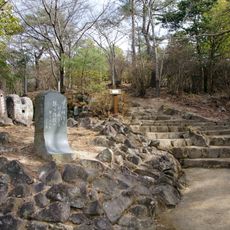
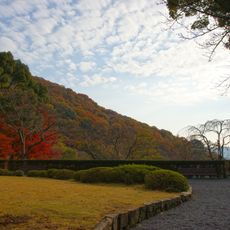
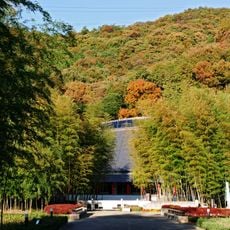
The shrine's name reflects its importance to the local community. Visitors encounter a simple, dignified structure that sits in harmony with Tatsuno's natural surroundings and invites quiet prayer and personal reflection.
Visitors typically approach the shrine along a stone path and bow before entering the sacred space. Afterward, it is customary to ring a bell and clap your hands to get the spirit's attention before offering a prayer.
Many visitors overlook that the columns are spaced roughly 6 feet (1.8 meters) apart, a standard distance in nagare-zukuri style. When this spacing is tripled, the building earns the specific name sangensha-nagare-zukuri, revealing how carefully traditional Japanese proportions were planned.
The community of curious travelers
AroundUs brings together thousands of curated places, local tips, and hidden gems, enriched daily by 91,825 contributors worldwide.