楯縫神社, Shinto shrine in Japan
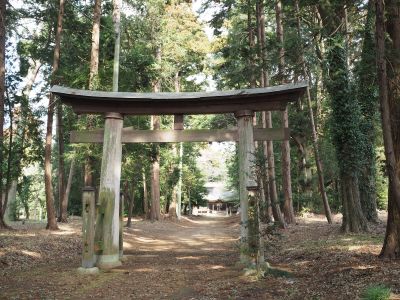
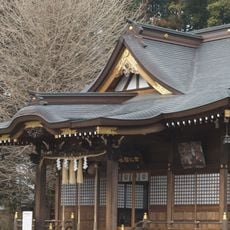
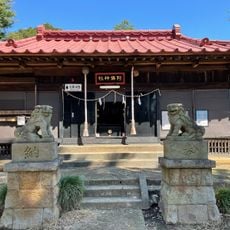
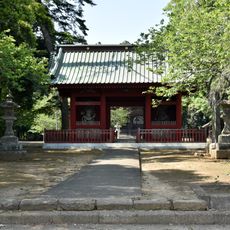
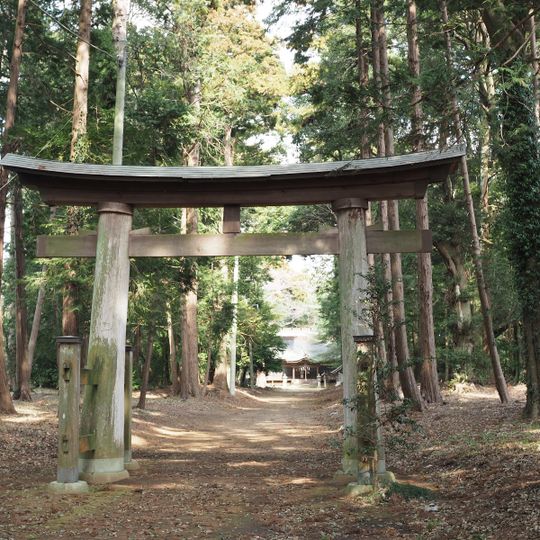
Tatenui Shrine is an old Shinto shrine located in Miho, surrounded by thick forests and large trees that create a peaceful setting. The grounds feature a traditional main hall with a curved roof, a wooden torii gate at the entrance, and a long pathway lined with trees leading deeper into the sanctuary.
The shrine's own tradition dates its founding to 608, in the reign of Empress Suiko, though a separate account gives 18 AD. It held the rank of ichinomiya of Shida District and lost its 53-chō estate in 1340 to an attack by Yashiro Nobutsune, a retainer of Kō no Morofuyu. The present main hall was built in 1589 with a donation from Kondō Toshikatsu, and the shrine became a prefectural shrine in 1873.
The shrine's name comes from the Putsu myth: the deity Putsu no Mikoto removed his armour at Kihara, giving rise to the place name 'Tatenui' (shield-sewing). Until the Meiji era, the shrine was popularly revered as the patron deity of carpenters, as recorded in the Inashiki District local history. A wooden komainu (lion-dog) statue, donated during the Tenbun era (1532–1555), is a village-designated cultural property.
The approach faces National Route 125, but the shrine itself sits back in the trees and is easy to miss from the road. From JR Tsuchiura Station take a JR Bus Kanto bus and get off at the Gonaka stop, then walk about 10 minutes. There is no shrine office and no separate subsidiary shrines, so allow time to follow the long approach through the grove.
The shrine's name literally means 'shield sewing,' stemming from an old story where the deity left a piece of armor at this location before returning to the heavens. This legend transformed the place into a symbol of protection and strength within local belief.
The community of curious travelers
AroundUs brings together thousands of curated places, local tips, and hidden gems, enriched daily by 94,084 contributors worldwide.