Senryū Shōgunzuka Kofun, Ancient burial mound in Kyōtango, Japan
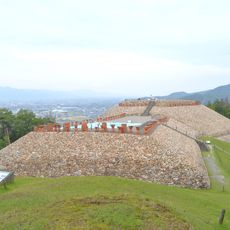
Senryū Shōgunzuka Kofun is a burial monument on the Sea of Japan coast that extends 190 meters with a square front section connected to a round rear portion. The structure displays the distinctive keyhole shape typical of tombs from this period, demonstrating considerable planning and construction effort.
The monument was constructed between the late 4th and early 5th century and received National Historic Site designation in 1923. This recognition highlighted its importance as evidence of power and social organization during the Kofun period.
The mound displays white fukiishi stones and multiple haniwa clay figures that depict aspects of daily life and craft traditions from ancient Japan. These objects reveal how people valued artistic representation and the commemoration of skilled activities in this era.
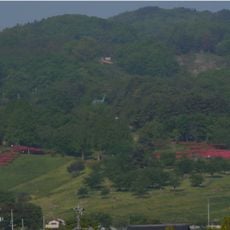
The site sits in an elevated position overlooking the Sea of Japan and is relatively accessible for visitors wishing to explore the ancient mound. Wear appropriate footwear since you will walk up the grassy slope to see the structure, and the surrounding area is covered with vegetation.
During the late Heian period, people built a sutra mound on top of the ancient tomb with bronze mirrors and containers that later received Cultural Property status. This layered activity shows how the site continued to hold religious and cultural meaning across centuries.
The community of curious travelers
AroundUs brings together thousands of curated places, local tips, and hidden gems, enriched daily by 91,607 contributors worldwide.