Sugawara-jinja, Shinto shrine in Japan
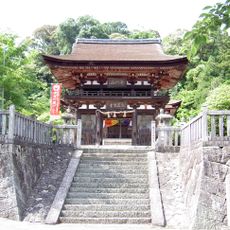
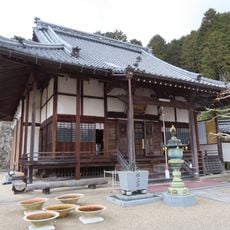
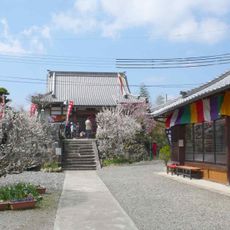
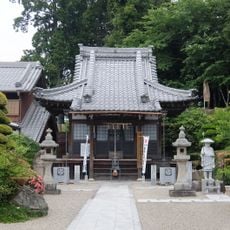
Sugawara-jinja is a small Shinto shrine in Iga with simple wooden architecture and a curved tiled roof characteristic of traditional design. The main worship hall features sliding doors, a wooden porch, and stone lanterns lining the pathways that lead to the entrance gate.
The shrine began as the guardian deity of Ueno Heiraku-ji and as an agricultural deity. In 1581, after the Tenshō Iga War, Tōdō Takatora had it moved to its present site as the castle town's guardian. In 1672, the haiku poet Bashō dedicated his first anthology, Kai ōi, here to pray for literary success. The main hall burned down in 2010 and was rebuilt in 2012.
This shrine is dedicated to Sugawara no Michizane, a scholar honored as the god of learning in Japanese tradition. Visitors leave wishes on wooden plaques and follow customs such as ringing the bell and clapping before prayers, keeping alive practices passed down through generations.
The shrine is about three minutes on foot from Hirokoji Station on the Iga Railway Iga Line. The main hall, rebuilt after the 2010 fire and completed in September 2012, stands within the grounds; the gate and bell tower are designated prefectural cultural properties. Visitors can look for the votive tablet of the Thirty-six Immortal Poets and the arithmetic tablet returned to the hall in 2022.
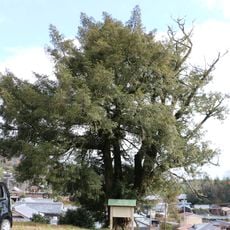
The shrine keeps a sugoroku board and a set of thirty-six portrait plaques of the Thirty-Six Immortal Poets, both designated cultural properties of Iga. The poet Matsuo Basho, born in this region, dedicated his first verse collection, "Kai Oi", at the shrine in 1672 to pray for success in haikai. A Chinese hackberry tree on the grounds is known as the Nidome Keyaki, a natural monument of the city.
The community of curious travelers
AroundUs brings together thousands of curated places, local tips, and hidden gems, enriched daily by 94,018 contributors worldwide.