平田曾我山古墳, Ancient burial mound in Kochi Prefecture, Japan
The Hirata Sogayama Kofun is a burial mound in Kochi Prefecture shaped by the construction methods of the Kofun period. The mound rises from the ground with a chamber beneath that once held the deceased and numerous clay objects placed for the afterlife.
This mound was built between the 3rd and 7th centuries, a time when Japanese society was becoming more stratified and complex. The period shows the gradual shift from simpler tribal organizations to more structured ruling systems.
The clay figurines placed around the burial chamber reveal what daily life, clothing, and religious beliefs looked like during this era. These objects suggest how people imagined the afterlife and what they thought was needed there.
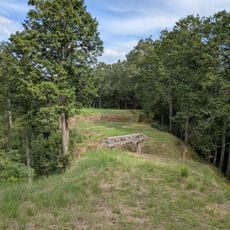
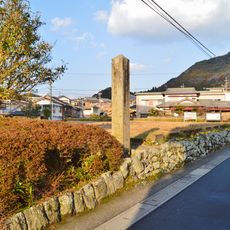
The mound can be viewed from the ground level and gives a clear sense of its size and earthwork construction. The site is typically open to visitors without restrictions or special requirements.
Some of the haniwa figurines depict detailed houses and household items, offering a rare glimpse into how people lived during that era. These ceramic objects provide clues about daily life that few other sources from this period preserve.
The community of curious travelers
AroundUs brings together thousands of curated places, local tips, and hidden gems, enriched daily by 91,752 contributors worldwide.