富塚古墳, Ancient burial mound in Kanagawa, Japan
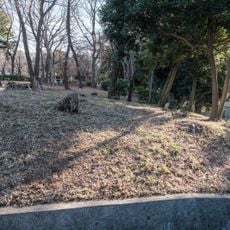
The Tomizuka Kofun is an ancient burial mound composed of layered stone covered with earth, built as a monumental tomb for early leaders. Clay figurines called haniwa were positioned around its perimeter as part of the burial tradition.
The tomb dates to the Kofun period between the 3rd and 7th centuries, reflecting burial customs of regional rulers during early Japanese state formation. Its construction style was typical of the era and its presence shaped the landscape for centuries.
The mound served as a marker of social rank, where its size and design reflected the status of the person buried beneath. Today, visitors can observe how the structure itself communicated the authority and influence of these early leaders.
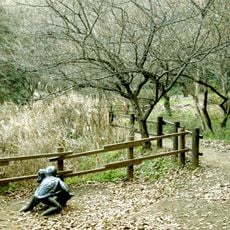
The site is accessible via marked pathways with information boards explaining construction methods and historical background. Sturdy footwear is recommended since the terrain is uneven and reflects the ancient site's natural conditions.
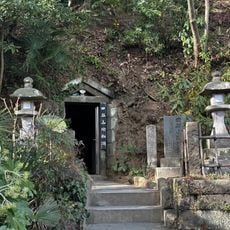
The internal chamber features architectural elements showing links to the ancient kingdom of Koguryo, revealing rare evidence of cultural exchange across the region. This detail makes the tomb significant as a window into early East Asian connections.
The community of curious travelers
AroundUs brings together thousands of curated places, local tips, and hidden gems, enriched daily by 60,000 contributors worldwide.