Kameoka Hachimangū, Shinto shrine in Japan
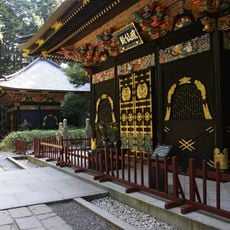
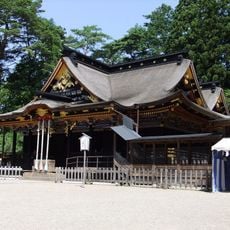
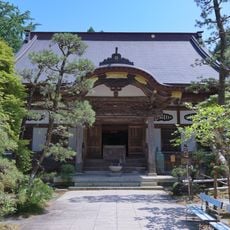
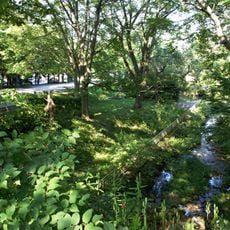
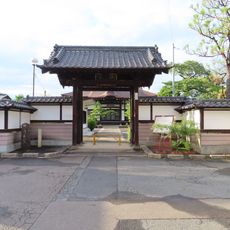
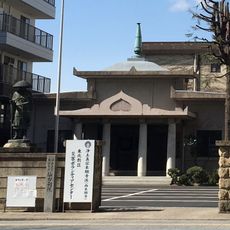
Kameoka Hachimangū is a Shinto shrine in Aoba-ku, Sendai, featuring traditional wooden architecture, a stone torii gate at the entrance, and quiet pathways lined with trees. The grounds include a temizuya (hand-washing station) where visitors rinse their hands and mouths before entering the sacred area, as well as an important cultural sword crafted by master Osafune Yoshimitsu.
The shrine was founded in 1190 by Date Tomomune and was originally located in Hobara, later moved to Yanagawa, before relocating to its current site in Aoba-ku in the 17th century. During World War II, the shrine was destroyed in the bombing of Sendai but was carefully rebuilt in 1965, preserving the original stone gate and steps.
The shrine is dedicated to Hachiman, the god of war and protection, and attracts visitors who come to pray for safety in travel or health and success in daily life. People leave small wooden plaques called ema with written wishes and coins as offerings, reflecting the ongoing spiritual importance of this place for the local community.
The shrine is easily accessible via quiet streets and welcomes visitors most days, making it simple to stop by to pay respects or enjoy a brief moment of calm in the middle of city life. It is recommended to wear comfortable shoes and allow time to explore the quiet surroundings and historical details of the site.
According to legend, a black turtle appeared during the shrine's construction, a sign interpreted as divine blessing that gave the place its name Kameoka, meaning Turtle Hill. This mystical symbol has endured in local tradition for centuries, giving the shrine a distinct spiritual identity.
The community of curious travelers
AroundUs brings together thousands of curated places, local tips, and hidden gems, enriched daily by 90,848 contributors worldwide.