渋川神社, Shinto shrine in Japan
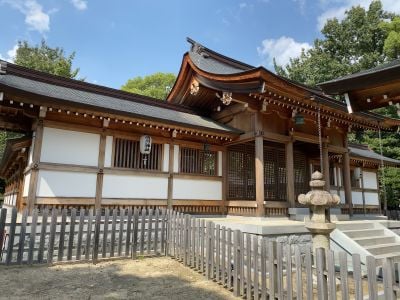
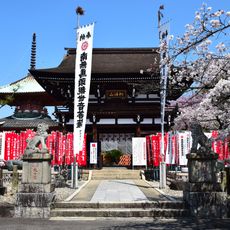
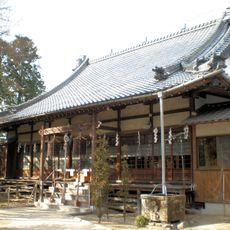
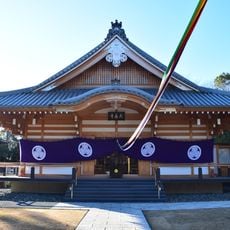
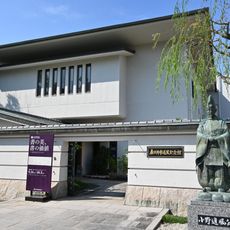
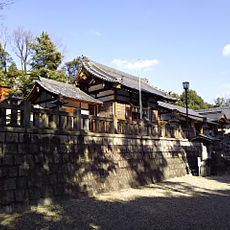
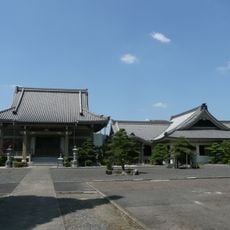
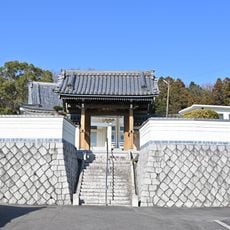
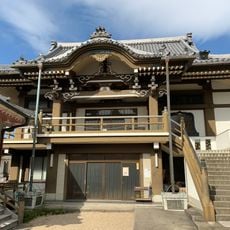
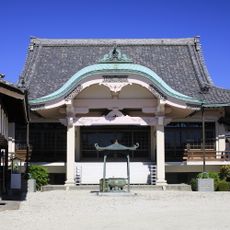
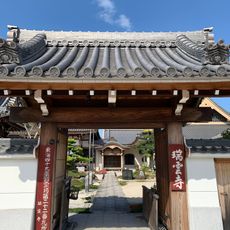
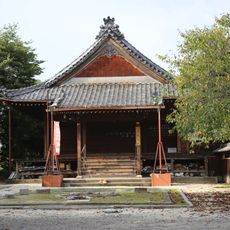
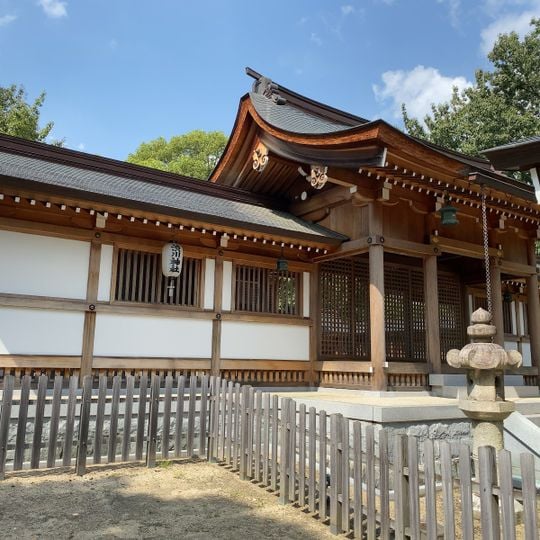
Shibukawa Shrine is a Shinto shrine in Owariasahi and is the only Engi-registered shrine in the city, meaning its name appears in ancient historical records of important shrines. The grounds feature traditional Owari architectural style, multiple smaller shrines within the compound, and a notable sacred tree where branches of two different species have naturally grown together.
The shrine's origins trace back to the era of Emperor Keiko in ancient times, with the deity Takamimusubi established as its primary guardian. During the Edo period, Oda Nobunaga oversaw repairs to the main hall, and subsequent feudal lords of Owari domain continued to maintain and renovate the structure.
The shrine serves as a gathering place for local artistic traditions, particularly during autumn festivals when groups perform traditional dances and movements. The Houusaikaikai dance group and the Bonokte stick movements, both designated cultural assets, are showcased here and represent the community's connection to its performing heritage.
The shrine is easily accessible by train, just a short walk from Inba Station, and offers free parking for visitors who arrive by car. The grounds are well-maintained and open to visitors, with autumn being the best season to experience the festival events and traditional performances held there.
The shrine was chosen as one of two sacred rice fields where the Emperor cultivated rice as an offering for Shinto rituals, known as the Yuuki-Saiden. This historical connection to imperial agriculture and religious practice makes it a rare example of how power and spirituality were intertwined in Japanese history.
The community of curious travelers
AroundUs brings together thousands of curated places, local tips, and hidden gems, enriched daily by 91,369 contributors worldwide.