Ōsumi Kurumazuka Kofun, Ancient burial mound in Kyōtanabe, Japan.
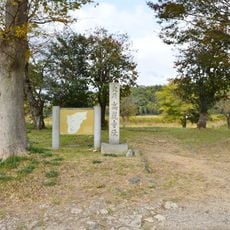
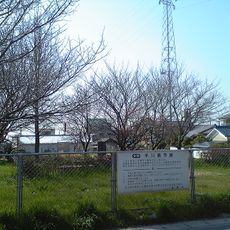
The Ōsumi Kurumazuka Kofun is an ancient burial mound featuring two conjoined rectangular sections, a design pattern typical of Japanese tombs from this era. The structure sits within a rural setting surrounded by rice paddies and marked with information plaques about the site.
This burial mound was constructed during the Kofun Period, spanning the 3rd to 7th centuries, when such monumental structures served as tombs for society's elite. The period represents a significant era in Japanese history marked by these impressive earthen works as symbols of authority and status.
This burial mound shows how ancient people honored their deceased leaders and the importance they held in society. The specific shape and size reflect the status and power of the person buried within.
The site is accessible on foot by walking through surrounding rice fields, with markers showing the way to the mound. The rural location offers a peaceful approach, though visitors should be prepared for a walk through farmland.
A second similarly proportioned burial mound, the Ōsumi Minamizuka Kofun, stands nearby and forms a rare pair of tombs within the agricultural landscape. This arrangement suggests multiple high-status individuals were interred in the region and adds to the archaeological interest of the location.
The community of curious travelers
AroundUs brings together thousands of curated places, local tips, and hidden gems, enriched daily by 91,790 contributors worldwide.