Звенигородская биостанция МГУ и карьер Сима, Nature reserve and research station near Zvenigorod, Russia
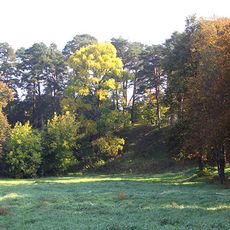
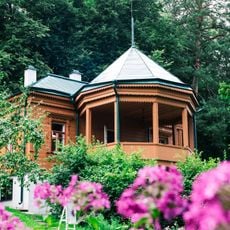
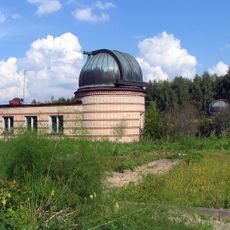
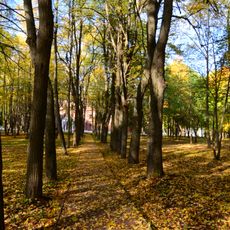
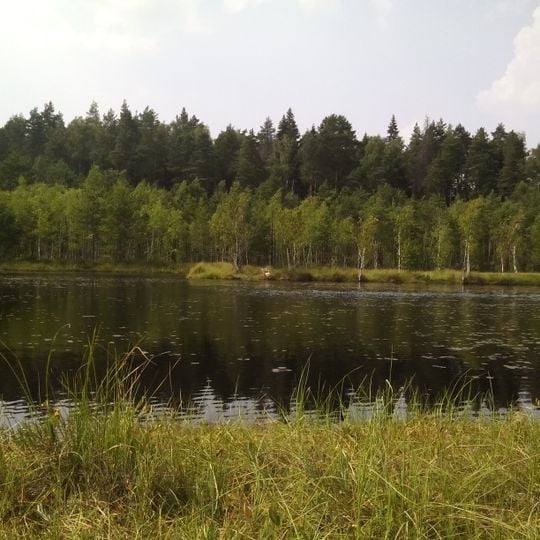
The Zvenigorodskaya Biological Station of Moscow State University, also known as Zvenigorodskaya Biostation, is a research and teaching facility near Zvenigorod, northwest of Moscow. The grounds cover pine forests, marshes, meadows, and a peat bog with floating vegetation mats.
Moscow State University founded the station in 1981 to study local ecosystems and give biology students a place for hands-on fieldwork. Over the following decades, the site grew into a well-established centre for ongoing scientific observation in the region.
The station serves as the first field laboratory for biology students from Moscow State University, who come here to study forests, wetlands, and local water bodies up close. Visitors often encounter research groups moving through the undergrowth or collecting water samples.
The site sits outside the city and is reachable by train and bus from Moscow, with a walk needed for the final stretch. The terrain includes marshy ground, so sturdy footwear and clothing for changing weather are a good idea.
The Sima peat bog is home to a rare alga called Batrachospermum turfosum, which is almost never found elsewhere in Europe. It grows here alongside white water lilies in the bog's floating mats, making this one of the few places where the species can still be observed.
The community of curious travelers
AroundUs brings together thousands of curated places, local tips, and hidden gems, enriched daily by 91,681 contributors worldwide.