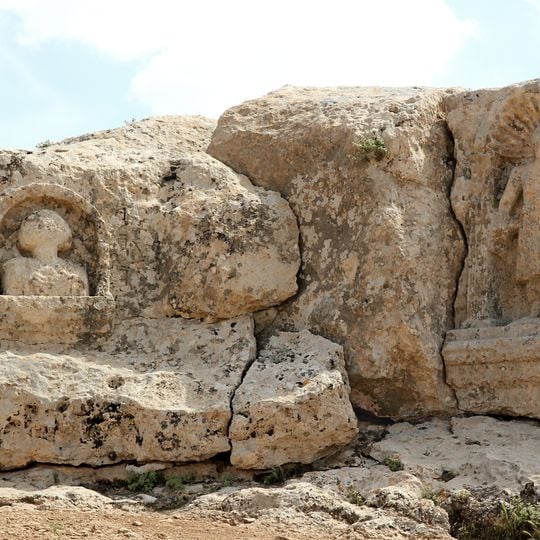
Sumatar Harabesi, Ancient ruins in Yağmurlu, Turkey
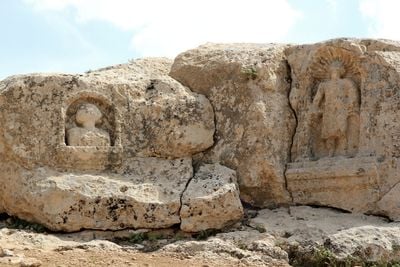
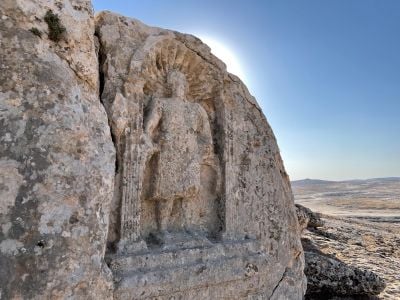
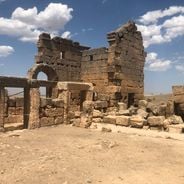
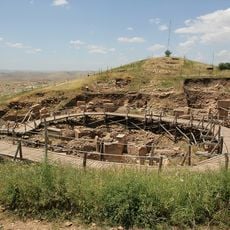
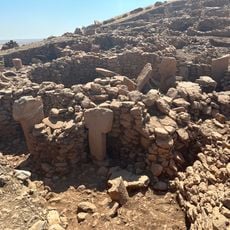
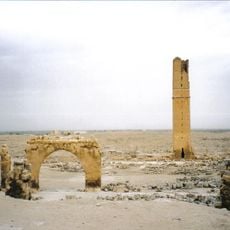
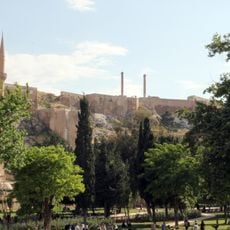
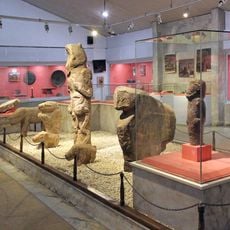
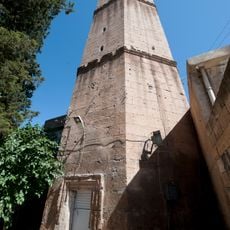
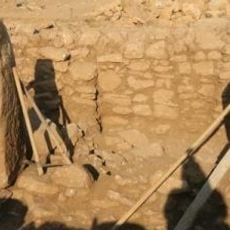
Sumatar Harabesi is an archaeological site scattered across several excavation areas with temple structures, cave sanctuaries, and rock-cut tombs carved into the landscape. The remains include ancient wells, relief sculptures of deities, and numerous inscriptions that mark different sections of the site and reveal its layered functions over time.
The site developed as a religious center in antiquity and flourished as a place of worship during the Kingdom of Abgar, with different areas serving ritual purposes over time. The inscriptions and carved works found there preserve evidence of these sacred practices spanning multiple periods.
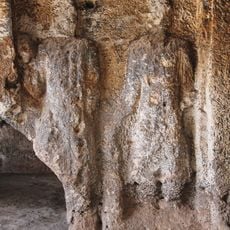
The site was known for honoring celestial deities, particularly the moon god, which shaped its religious purpose and appearance. Visitors can observe carved reliefs and markings throughout the ruins that reveal how people expressed their spiritual beliefs in this location.
The site is located in a rural area and is best reached by personal vehicle or organized tour, as public transportation is limited. Visitors should wear sturdy footwear and expect uneven terrain with rocky formations that may require careful navigation between different sections.
One grotto at the site features carvings dedicated to the moon god Sin and contains an unusually high density of religious inscriptions rarely found at other ancient locations in this region. This concentration of carved religious markers makes the location particularly valuable for understanding ancient celestial worship practices.
The community of curious travelers
AroundUs brings together thousands of curated places, local tips, and hidden gems, enriched daily by 92,374 contributors worldwide.