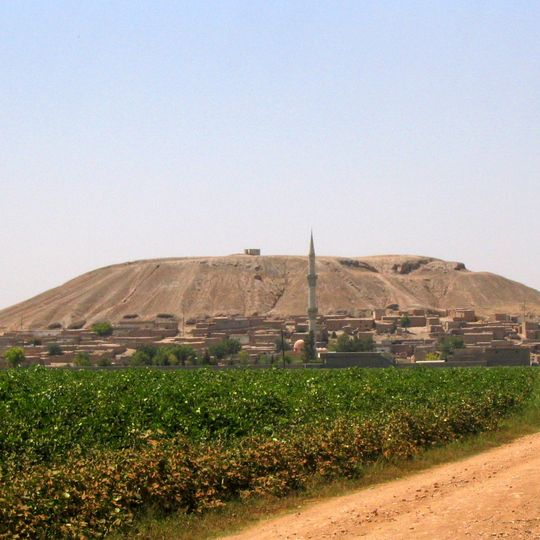
Sultantepe, Archaeological tell in Şanlıurfa Province, Turkey.
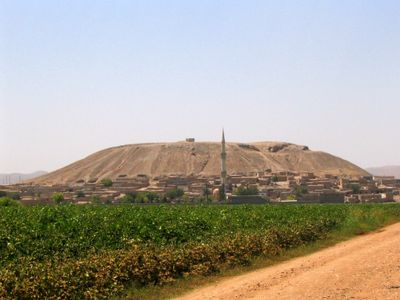
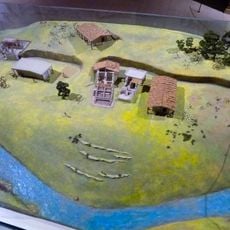
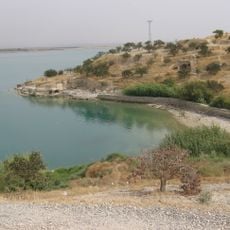
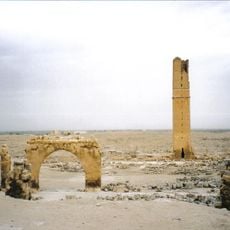
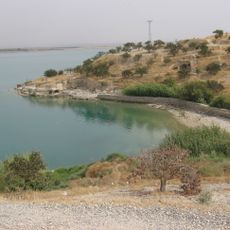
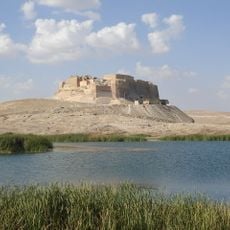
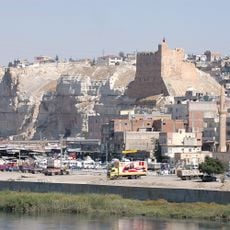
Sultantepe is an archaeological mound in Şanlıurfa Province that rises dramatically from the surrounding landscape with a broad flat top. The structure was built up gradually as successive occupations left behind layers of mud bricks, pottery, and other materials over many centuries.
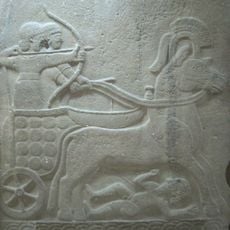
The mound was primarily an Assyrian settlement during the eighth and seventh centuries BCE before its sudden abandonment around 610 BCE following Harran's collapse. After this period, the site remained largely deserted until modern archaeological work began.
The site held sacred spaces dedicated to various gods such as Zababa and Ishtar, reflecting the religious beliefs of its inhabitants. Walking through the excavated areas reveals how central these temples were to community life in antiquity.
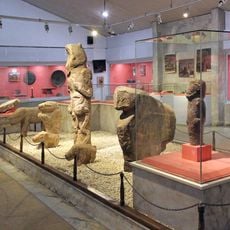
The mound itself is accessible for viewing and offers clear views of its layered structure and flat summit from ground level. The most important discoveries from the site, including numerous clay tablets, are displayed at the Archaeological Museum in Ankara for detailed study.
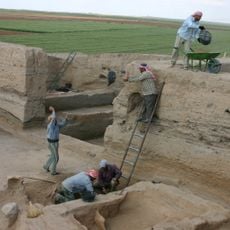
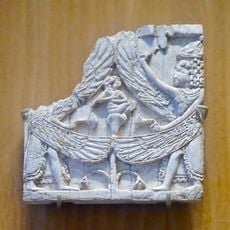
Excavations uncovered approximately 600 clay tablets containing mathematical and medical knowledge from antiquity. Among these tablets were forty previously unknown lines of the Creation Epic Enuma Elish, offering new insights into ancient mythology and learning.
The community of curious travelers
AroundUs brings together thousands of curated places, local tips, and hidden gems, enriched daily by 91,883 contributors worldwide.