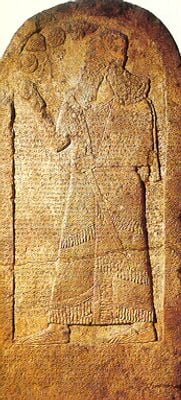
Kurkh Monoliths, Assyrian limestone monoliths at British Museum, United Kingdom
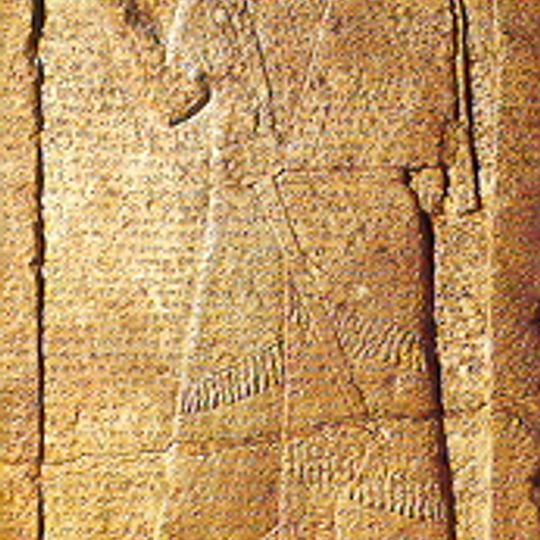
The Kurkh Monoliths are two limestone stelae standing 221 cm tall and 87 cm wide, covered in Akkadian cuneiform script. They were created in the Assyrian kingdom and are now housed in the British Museum.
The stelae were created during the reigns of Ashurnasirpal II and Shalmaneser III, documenting Assyrian history from the 9th century BC. They were discovered in Turkey in 1861 and donated to the British Museum in 1863.
The inscriptions tell of military campaigns and political events under Assyrian kings Ashurnasirpal II and Shalmaneser III. They show how Assyria recorded its power and reach in the ancient world.
You can view these stelae in the British Museum's permanent collection, where you can examine the inscriptions closely. Museum staff and display labels offer helpful context to understand what the ancient text describes.
The inscriptions contain one of the few references to Israel found in Assyrian records, mentioning the Battle of Qarqar and King Ahab. This connection between ancient Assyrian and biblical accounts makes them particularly valuable to scholars.
The community of curious travelers
AroundUs brings together thousands of curated places, local tips, and hidden gems, enriched daily by 91,335 contributors worldwide.