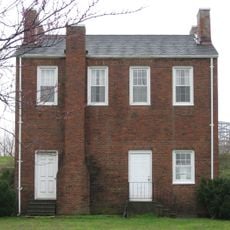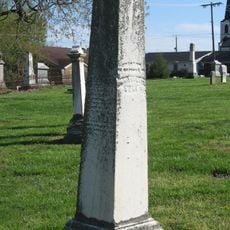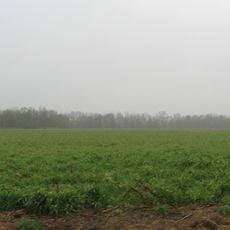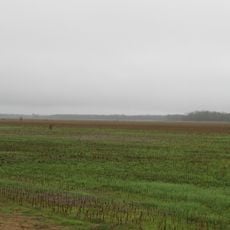
Hovey Lake Archaeological District, Archaeological site at Hovey Lake, Indiana, US
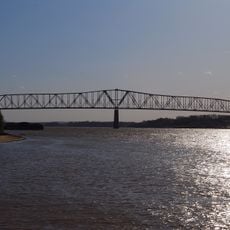
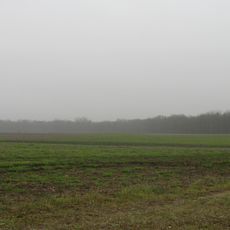
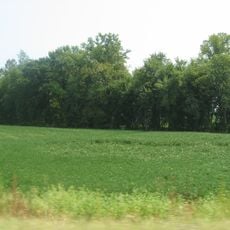
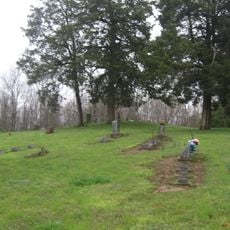
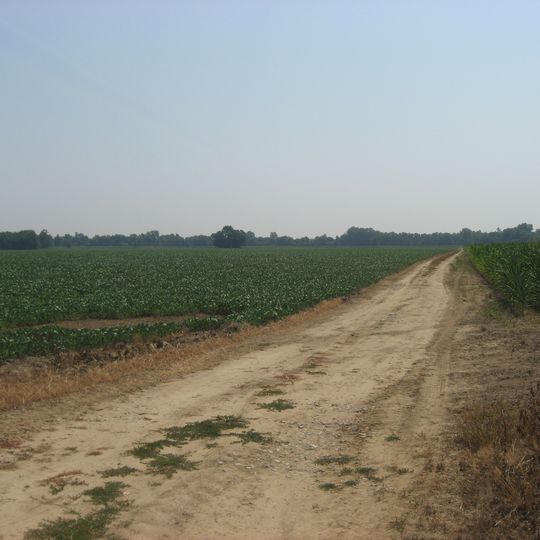
Hovey Lake Archaeological District spans about 343 acres near the Ohio River and contains several settlement sites from the Mississippian period. The excavations reveal rectangular houses, storage pits, and defensive structures that document daily life in these early communities.
The area was occupied between 1400 and 1650 by Native American groups who built permanent villages with organized structures. This settlement ended before European explorers arrived and represents a key period in the region's history.
The site shows evidence of trade connections between the local community and distant groups along the Mississippi River. Visitors can trace how the Caborn-Welborn people maintained contact with other peoples and exchanged goods.
The site is managed by the Indiana Department of Natural Resources and offers research opportunities through partnerships with universities and museums. Visitors should wear appropriate protective gear and stay on marked paths to protect archaeological remains.
Excavations revealed special storage pits near houses that could hold enough grain to feed seven to twelve people for a full year. This storage capacity suggests intensive farming practices and the ability to secure food surpluses for extended periods.
The community of curious travelers
AroundUs brings together thousands of curated places, local tips, and hidden gems, enriched daily by 60,000 contributors worldwide.