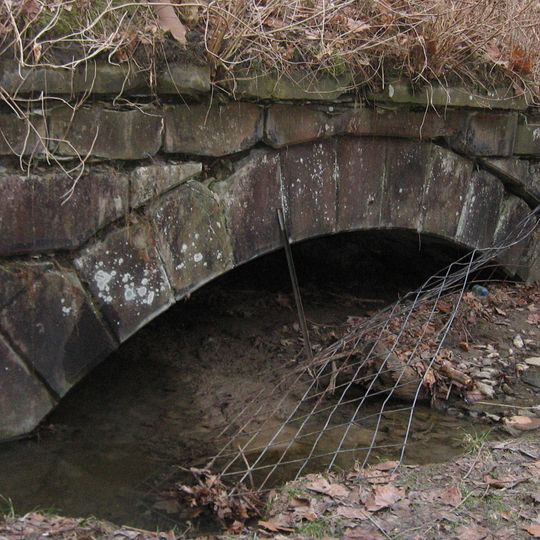
Cincinnati and Whitewater Canal Tunnel, cours d'eau aux États-Unis
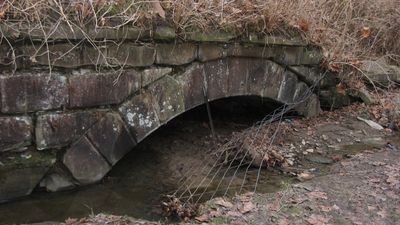
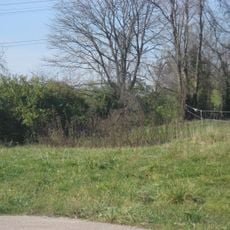
The Cincinnati and Whitewater Canal Tunnel is a 19th-century canal tunnel in Miami Township built to allow boats to pass under a high ridge. The structure stretches over 1700 feet and was lined with bricks produced on-site, sized large enough for cargo-carrying vessels to navigate through.
Built between 1839 and 1843 under the leadership of engineer Darius Lapham, the tunnel was part of a project to connect Cincinnati with Indiana. After about 20 years of boat traffic, it was briefly used by trains after the Civil War but was eventually abandoned when a new route was built around the hill.
The tunnel holds importance in local memory as a symbol of early engineering achievement and the drive to improve transportation. Visitors today can sense this connection to Ohio's development and how this place shaped the region's progress.
The tunnel is located near Cleves, Ohio, accessible via South Miami Avenue and Ridge Avenue. Visitors should wear comfortable shoes and prepare for walking, as informational signs explain the site's history and construction.
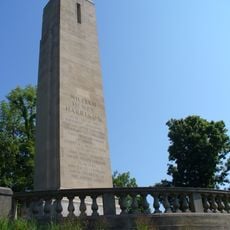
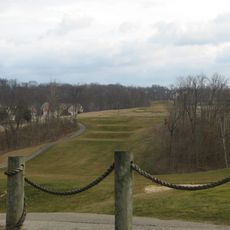
The tunnel was built using bricks made from clay on William Henry Harrison's farm, a future president who supported the project. Harrison was later buried on a hill overlooking the tunnel, creating a unique link between this place and US presidential history.
The community of curious travelers
AroundUs brings together thousands of curated places, local tips, and hidden gems, enriched daily by 91,646 contributors worldwide.