Arab world, Cultural and geopolitical region from North Africa to West Asia
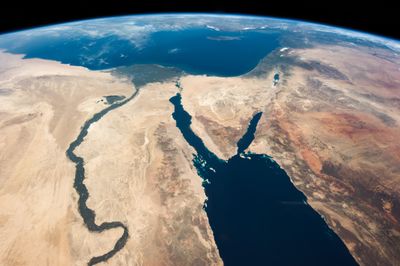
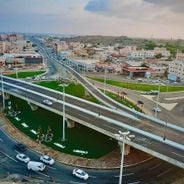
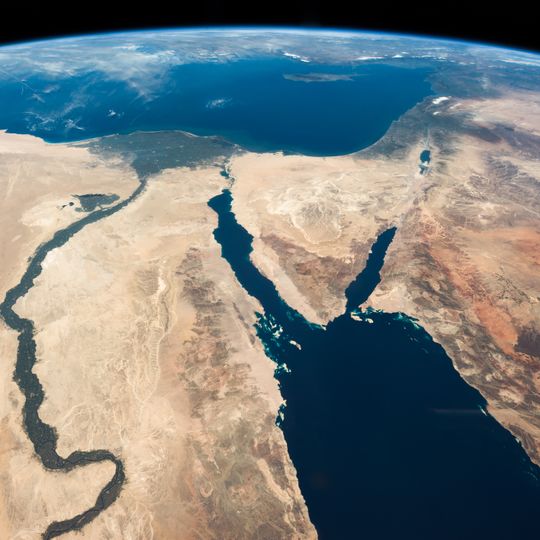
This region stretches from the Atlantic Ocean to the Indian Ocean, covering countries in North Africa, the Arabian Peninsula, and the eastern Mediterranean. It includes deserts, coastlines, mountain ranges, and river valleys, while cities and rural areas sit side by side with daily life shaped by local geography and climate.
Many of the countries here gained independence during the 20th century, following decades of colonial rule that left borders and political structures still debated today. The Arab League, formed in 1945, brought them together as a formal group aiming to address shared concerns about security, trade, and regional ties.
People speak Arabic in everyday life, though the way it sounds shifts noticeably as you move from one country to another. Markets and cafés serve as meeting points where locals gather over tea, conversation flows freely, and traditional hospitality takes shape through shared meals and open invitations.
Traveling across this area often requires visas, with entry rules differing widely depending on where you plan to go. Climate zones range from hot deserts to cooler coastal stretches, so timing and clothing choices matter when choosing which parts to visit.
Coffee culture has deep roots here, with Yemen widely credited as the original home of cultivated coffee before it spread through Ottoman trade routes to Europe. Musical instruments like the oud and qanun developed in various forms across the region, each country shaping its own playing styles and rhythms over centuries.
The community of curious travelers
AroundUs brings together thousands of curated places, local tips, and hidden gems, enriched daily by 60,000 contributors worldwide.