See the monuments around you in AROpen chests in the app
Around Us is built for your phone — point your camera at the streets and discover the monuments and places around you in augmented reality.Around Us is built for your phone — chests unlock when you walk, explore and capture nearby places.
Formula 1 in 2026 takes place on 22 race tracks around the world, each with its own style of racing.
The 2026 Formula 1 season takes place on 22 circuits around the world, each with its own flavor and specific challenges. These tracks host the races of the world championship, spread over five continents and offering many different types of racing.
Some circuits are set in the middle of large cities. In Monaco, drivers move through narrow streets of the principality, while in Singapore, the race happens at night under bright lights. Other tracks go through natural scenery: Spa-Francorchamps winds through the forests of the Ardennes, and Suzuka is known for its figure-eight layout. Some races are built near city parks, like in Melbourne where the track runs alongside a lake, or on Notre-Dame Island in Montreal.
From Australia to the United Arab Emirates, from Texas to Japan, every track carries its own story and character. Some are on historic sites, others are built just for racing. They make up the main part of the 2026 season and give drivers many different kinds of challenges.
Formula 1 in 2026 takes place on 22 race tracks around the world, each with its own style of racing.
The 2026 Formula 1 season takes place on 22 circuits around the world, each with its own flavor and specific challenges. These tracks host the races of the world championship, spread over five continents and offering many different types of racing.
Some circuits are set in the middle of large cities. In Monaco, drivers move through narrow streets of the principality, while in Singapore, the race happens at night under bright lights. Other tracks go through natural scenery: Spa-Francorchamps winds through the forests of the Ardennes, and Suzuka is known for its figure-eight layout. Some races are built near city parks, like in Melbourne where the track runs alongside a lake, or on Notre-Dame Island in Montreal.
From Australia to the United Arab Emirates, from Texas to Japan, every track carries its own story and character. Some are on historic sites, others are built just for racing. They make up the main part of the 2026 season and give drivers many different kinds of challenges.
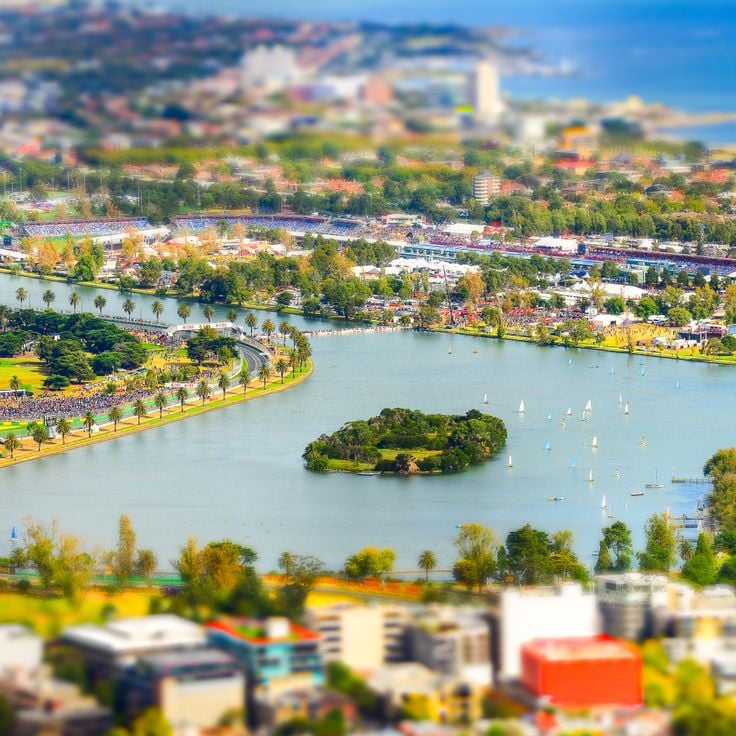
The Albert Park Circuit runs through a city park in Melbourne and hosts the Australian Grand Prix. The track winds around a lake, using roads that are normally open to the public but closed for the race weekend. As the season opener in many years, it is one of the first chances to see the new cars in action on a street-style layout.
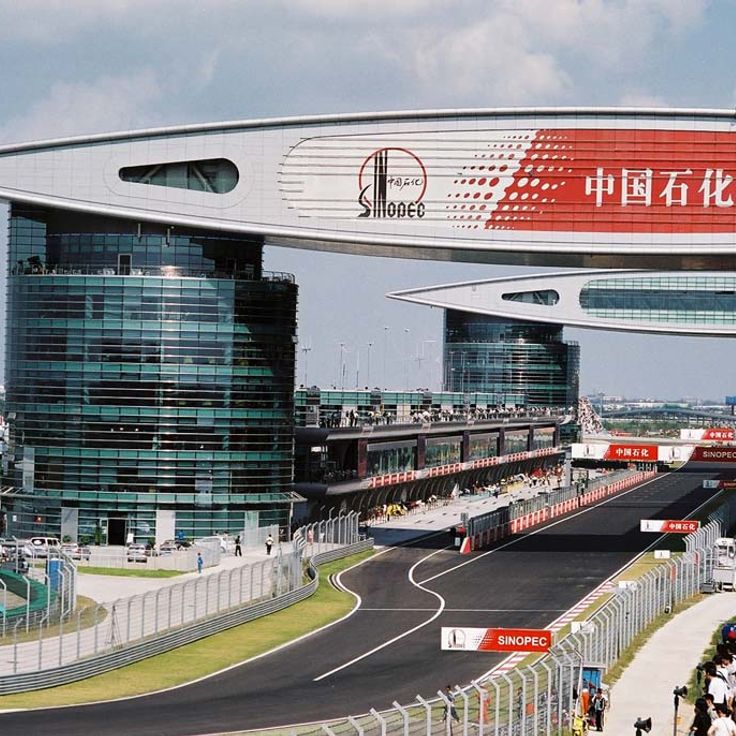
The Shanghai International Circuit is one of the most recognizable tracks in Asia. Built in the shape of a lotus flower, it sits on the outskirts of Shanghai and hosts the Chinese Grand Prix, a regular stop on the 2026 Formula 1 World Championship calendar. The layout mixes tight sections with long straights, which tends to produce varied and competitive racing.
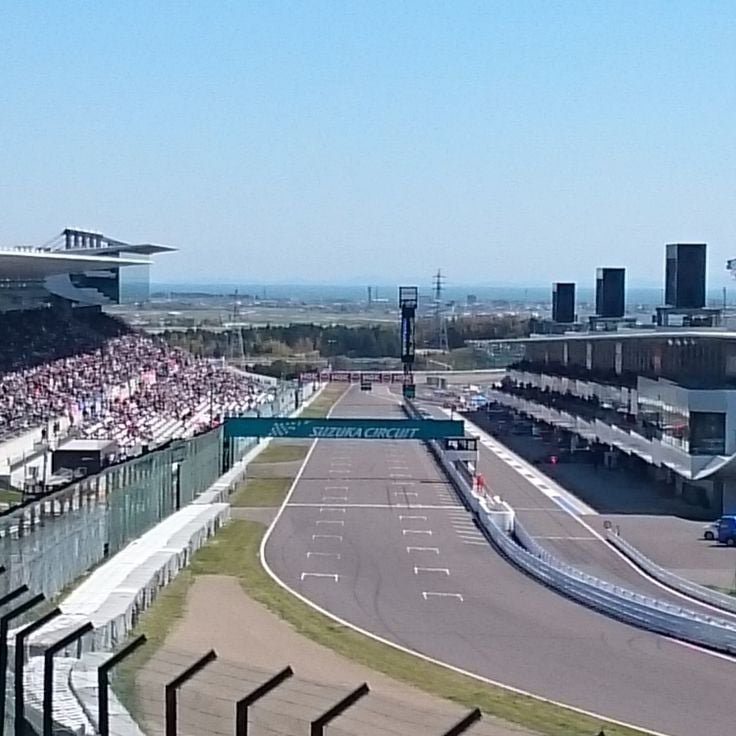
The Suzuka Circuit is one of the most recognizable tracks on the 2026 Formula 1 calendar. Its figure-eight layout is genuinely rare: the track crosses over itself through a bridge, creating a shape found nowhere else in the championship. Crowds fill the grandstands every year for the Japanese Grand Prix, and the fans are known for their passion. The corners are fast and demand precise driving throughout the lap.
The Miami International Autodrome is a street circuit built around Hard Rock Stadium in the Miami Gardens area. The track runs across parking lots and access roads surrounding the stadium. Drivers face a mix of fast straights and tight corners. Fans sit close to the action, giving race day a charged and noisy feel that sets it apart from traditional road courses.
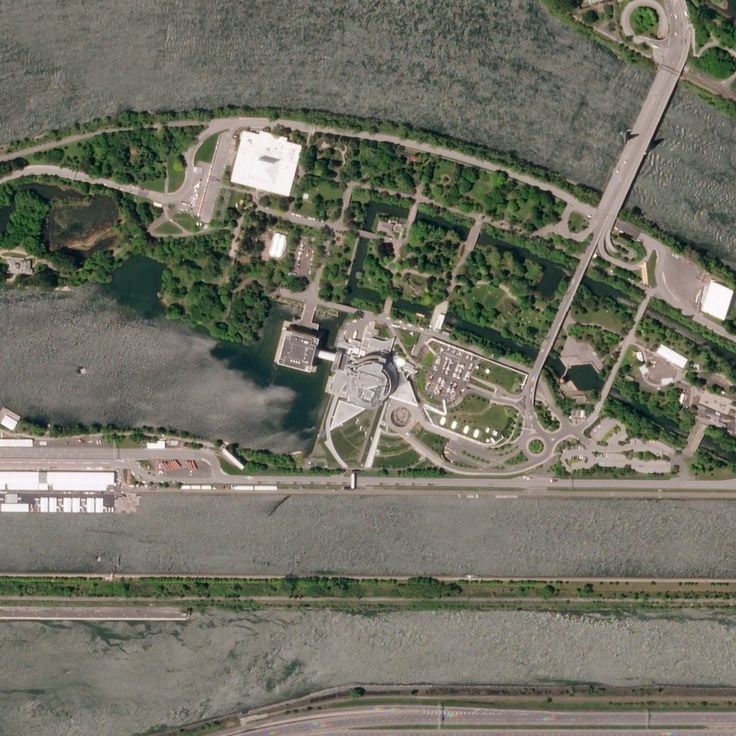
The Circuit Gilles-Villeneuve sits on Île Notre-Dame in Montréal and hosts the Canadian Grand Prix each year. The track runs through a riverside park along the St. Lawrence River. It is known for its long straights, tight chicanes, and the Wall of Champions at the pit lane exit, which has caught out many top drivers over the years.
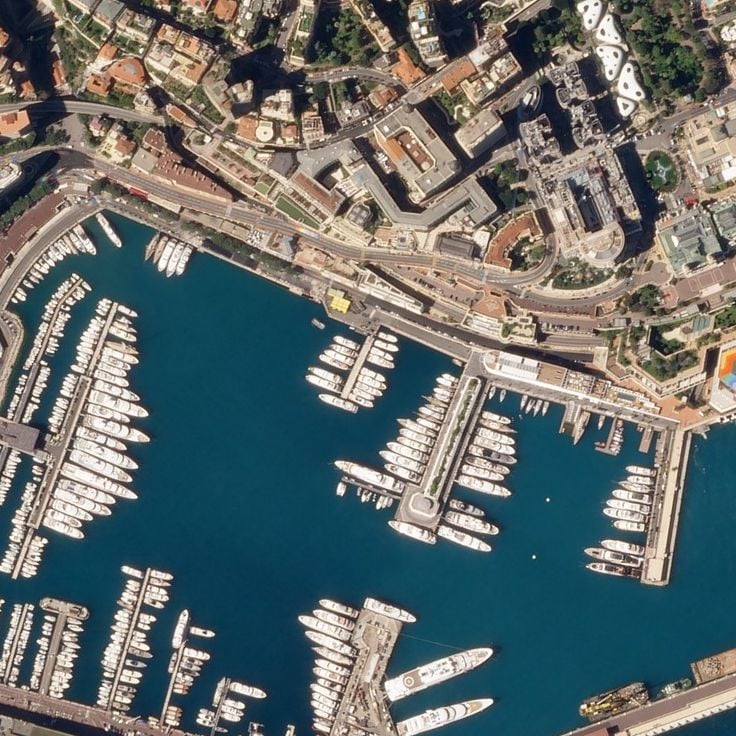
The Monaco Circuit runs through the narrow streets of the Principality and is one of the most demanding tracks on the 2026 Formula 1 calendar. Cars pass through a tunnel, skirt the harbor, and navigate tight corners, while grandstands and balconies sit just feet (a few meters) from the track.
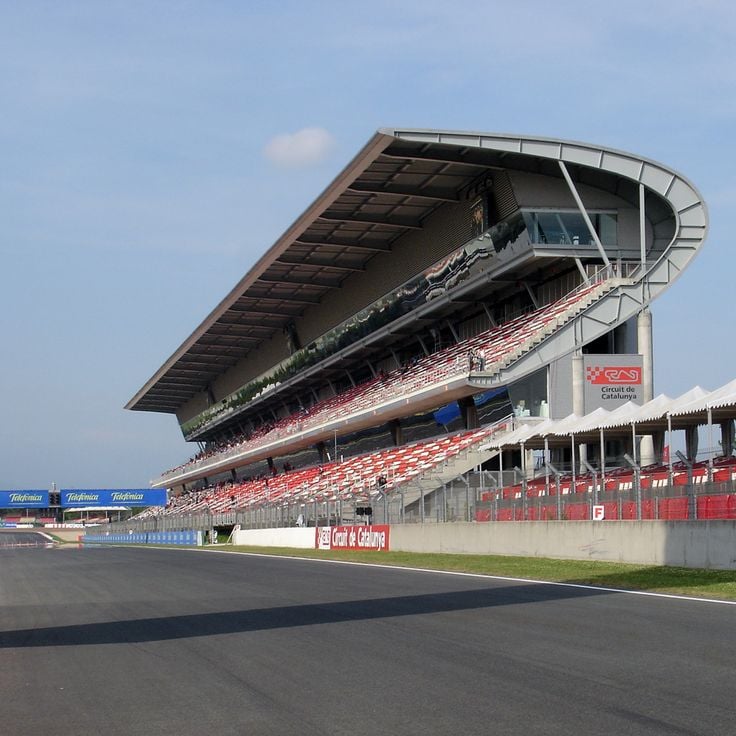
The Circuit de Barcelona-Catalunya sits just outside the city of Barcelona, in the town of Montmeló. It has hosted Formula 1 races for decades and is known for its long, flowing corners that put a real demand on car setups and tire wear. Fans in the grandstands can follow the action across several parts of the track, and the warm Mediterranean weather makes race weekend a lively outdoor event. Teams often use this circuit for pre-season testing as well.
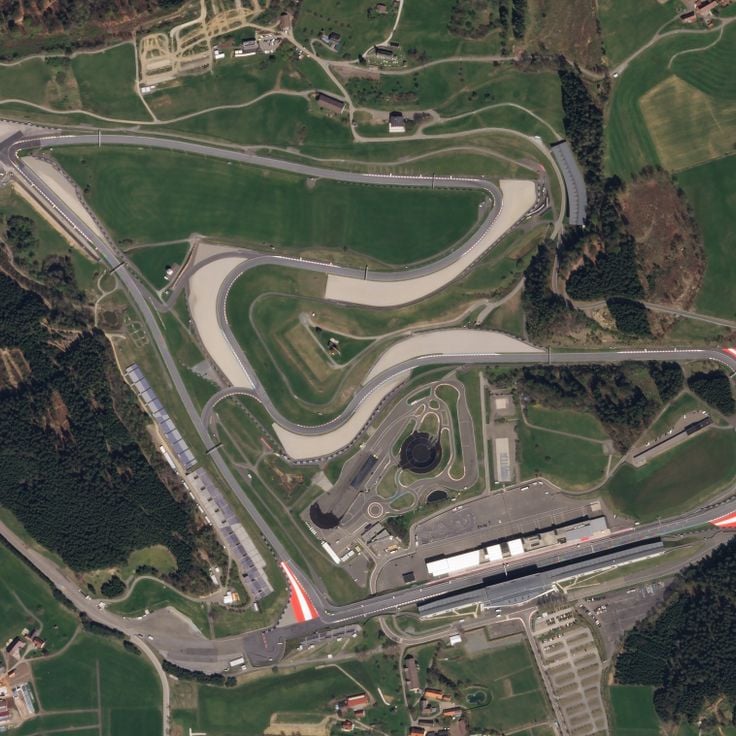
The Red Bull Ring sits in Spielberg, in the Styrian hills of Austria. The track is relatively short but runs up and down across a hilly landscape, which makes overtaking tricky and racing unpredictable. The grandstands fill with enthusiastic fans, many of them Austrian and German, who come every year for the Austrian Grand Prix, one of the season's more energetic stops on the F1 calendar.
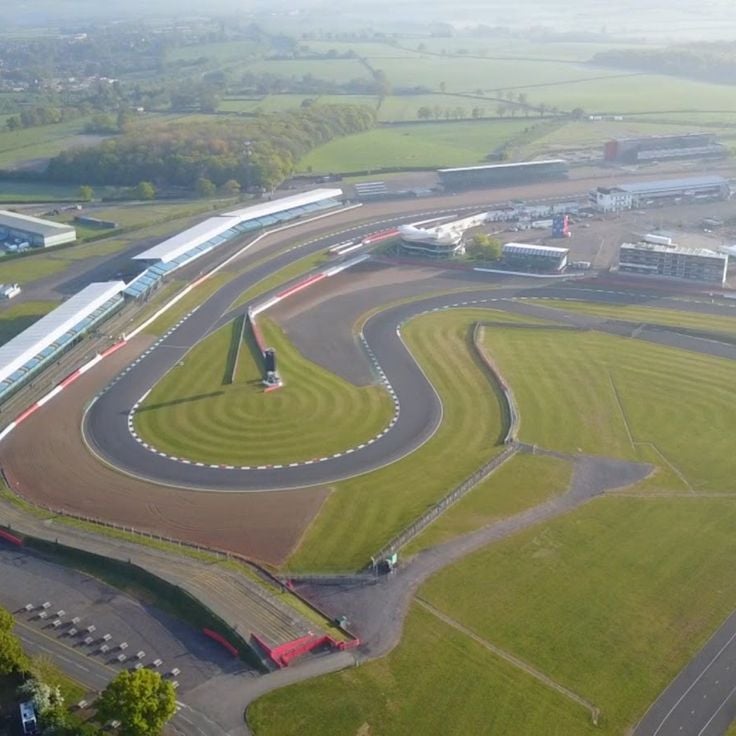
The Silverstone Circuit is home to the British Grand Prix and sits on the grounds of a former World War II airfield in Northamptonshire, England. It is one of the oldest tracks on the Formula 1 calendar, known for its fast, flowing corners and the unpredictable English wind that keeps drivers on edge throughout the race. The crowd is passionate and the stands fill up completely every race weekend, making it one of the most energetic stops on the calendar.
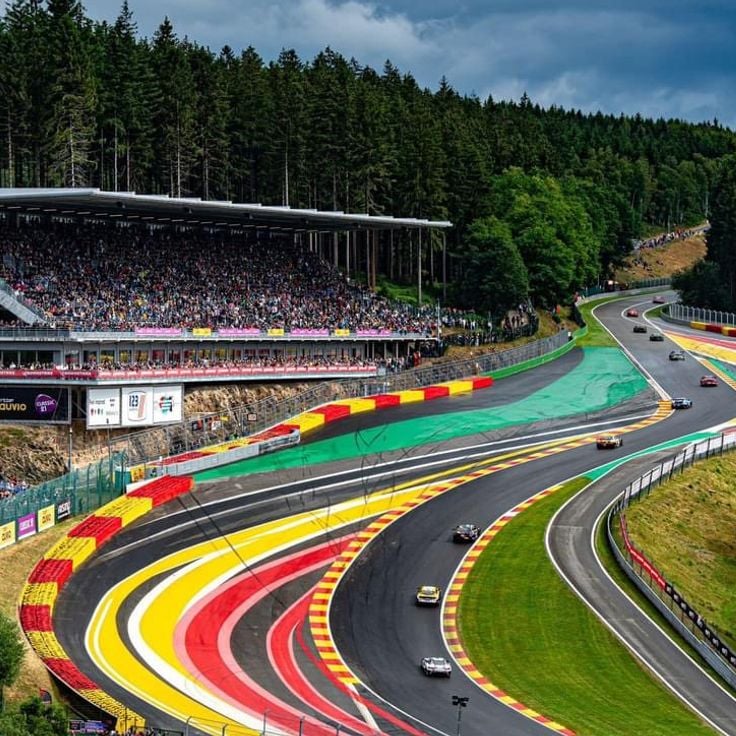
The Circuit de Spa-Francorchamps winds through the forested hills of the Belgian Ardennes. The track is known for its long, fast corners and sudden changes in weather, which can shift from sunshine to heavy rain within a single lap. The Eau Rouge and Raidillon section, where the road dips then climbs steeply, is one of the most talked-about parts of any race weekend. The Belgian Grand Prix held here draws fans who camp in the surrounding woods for the full weekend.
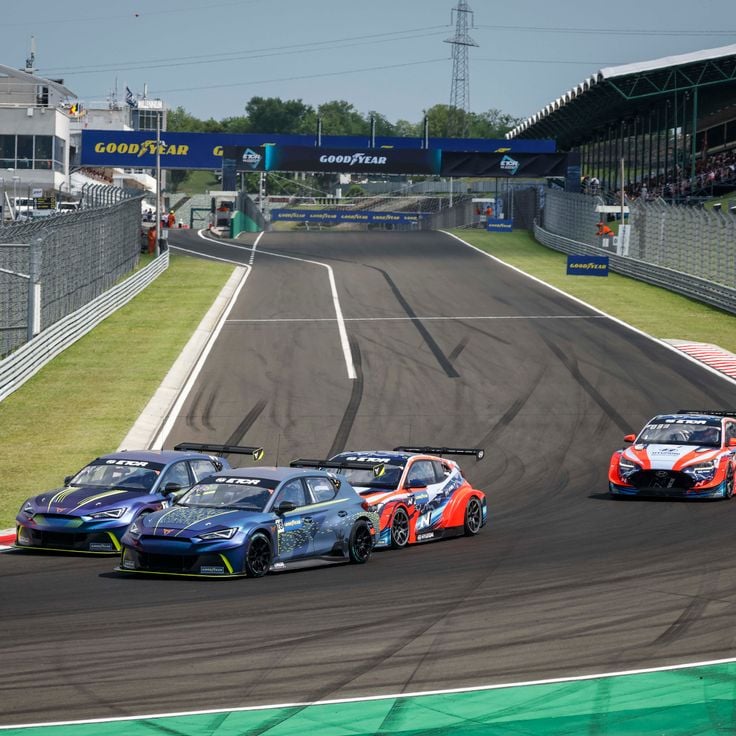
The Hungaroring sits just outside Budapest and hosts the Hungarian Grand Prix each season. The track winds through a series of tight corners that make passing difficult and demand constant precision from drivers. Races here often take place in the peak of summer, when heat becomes a real factor on the circuit.
The Circuit Zandvoort is a fast track built among the dunes near the North Sea. The layout follows the natural shape of the land, with banked corners that push drivers to the limit. The grandstands fill with passionate Dutch fans who come to cheer on their home race. The Dutch Grand Prix is one of the most energetic rounds of the 2026 season.
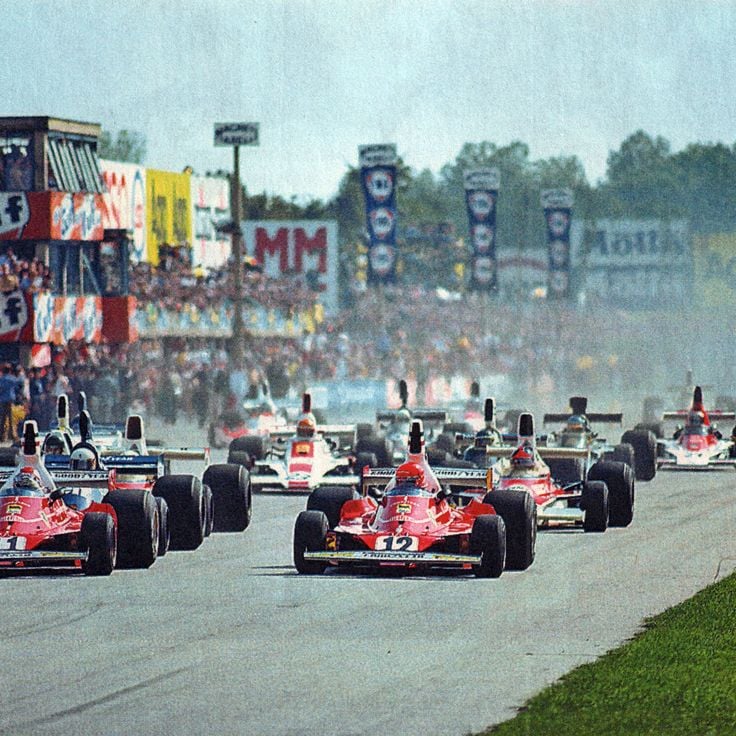
The Autodromo Nazionale Monza sits inside an old park just north of Milan and is one of the fastest tracks on the Formula 1 calendar. Its long straights allow cars to reach very high speeds, while the few corners demand precision from the drivers. The grandstands fill up each year with passionate Italian fans, many of whom come above all to cheer for Ferrari. The Italian Grand Prix held here is one of the oldest races in the world championship.
The Madring is a street circuit in Madrid that hosts the Spanish Grand Prix for the 2026 Formula 1 season. The track runs through the city streets, bringing the race directly into the heart of Madrid and giving spectators a close look at the cars in an urban setting.
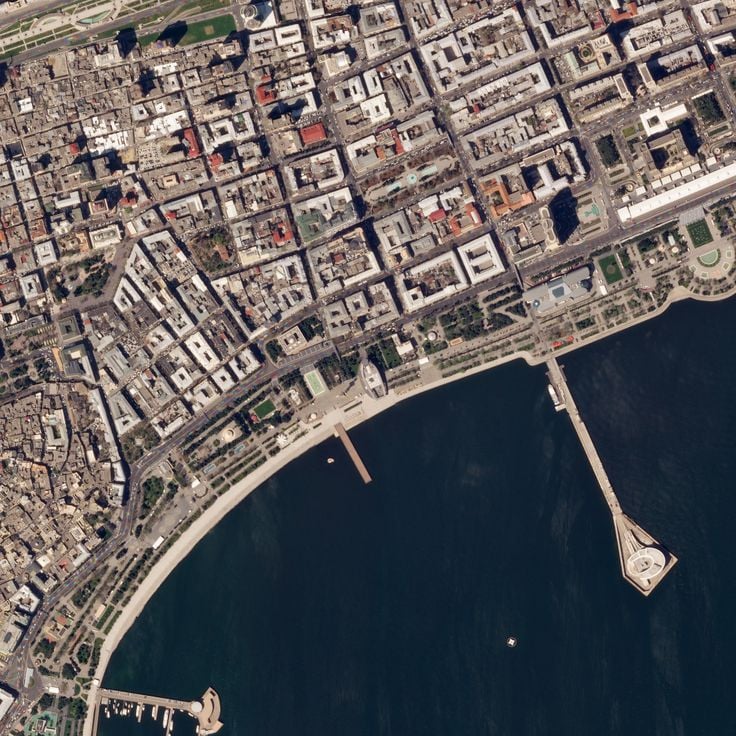
The Baku City Circuit runs through the heart of the Azerbaijani capital, along the shores of the Caspian Sea. Drivers pass by the old city walls and long seafront avenues before tackling some of the tightest corners found on any Formula 1 track. In 2026, it remains one of the few street circuits where high speeds and narrow passages alternate throughout the entire lap.
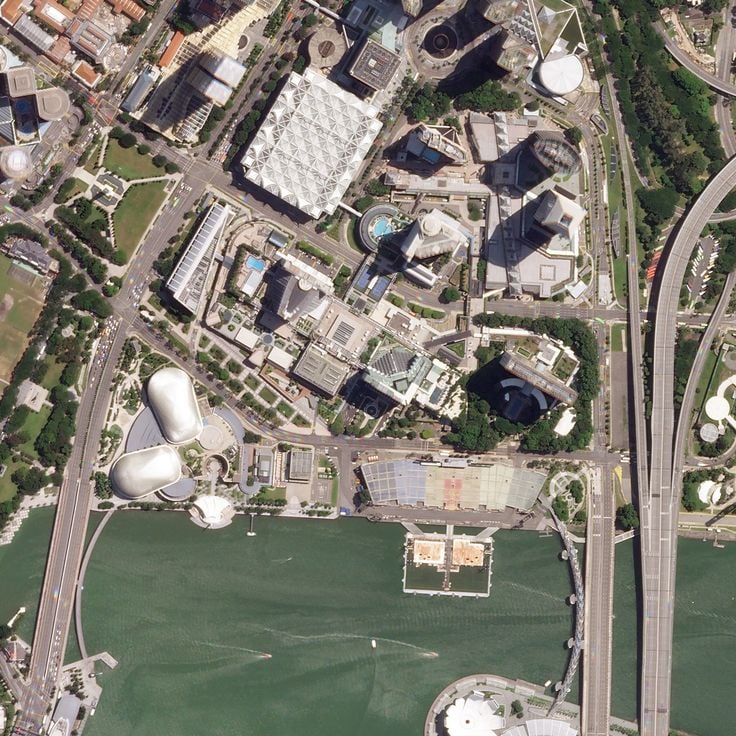
The Marina Bay Street Circuit hosts the Formula 1 Singapore Grand Prix. The race takes place at night, which makes it one of the few races on the calendar run under floodlights. The track winds through the streets along the waterfront, passing lit-up buildings, bridges, and the waters of Marina Bay. Drivers navigate tight corners and long straights bathed in artificial light, giving the event a look unlike most other rounds of the season.
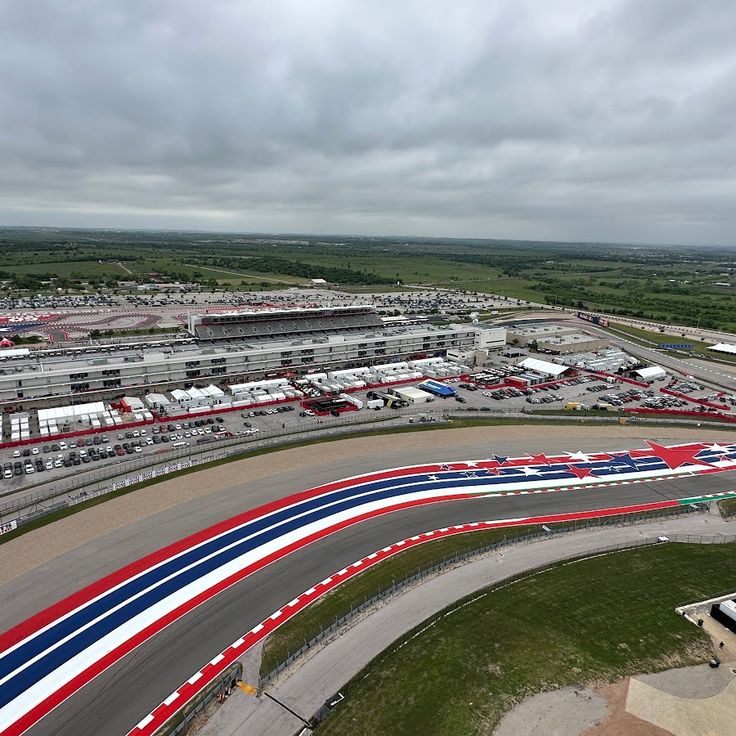
The Circuit of the Americas sits just outside Austin, Texas, and hosts the United States Grand Prix. Built specifically for Formula 1 racing, the track features corners inspired by sections of other famous circuits around the world. Austin brings a lively crowd that treats race weekend more like a music festival than a sporting event, with concerts and a relaxed Texas spirit running through the whole experience.
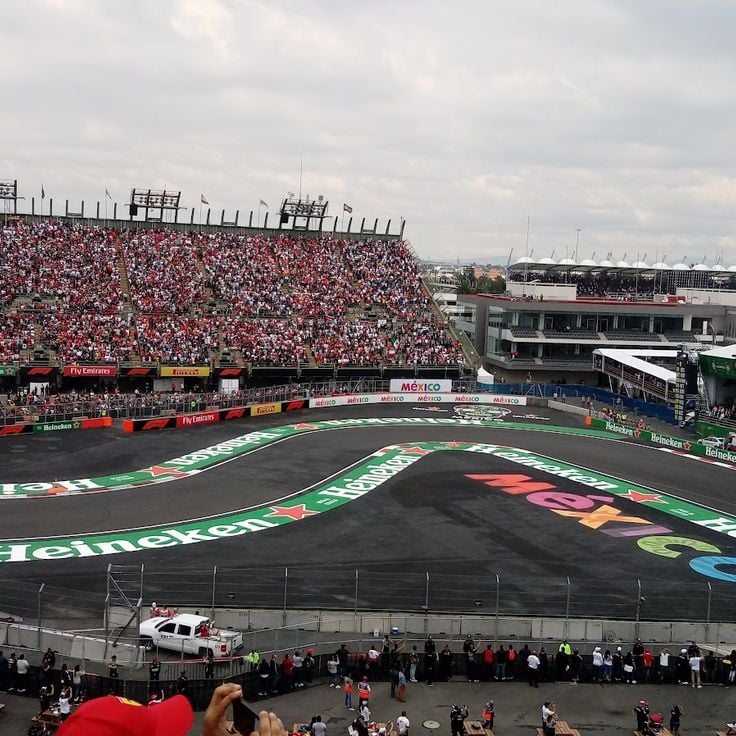
The Autódromo Hermanos Rodríguez sits in Mexico City at an elevation of about 7,300 ft (2,200 m) above sea level, making it one of the highest circuits on the Formula 1 calendar. The thin air affects how cars perform and forces teams to rethink their setups. A stadium section cuts through the circuit, where fans gather in large numbers to watch the cars pass just a few feet away. The track is named after Ricardo and Pedro Rodríguez, two Mexican brothers who raced in Formula 1.
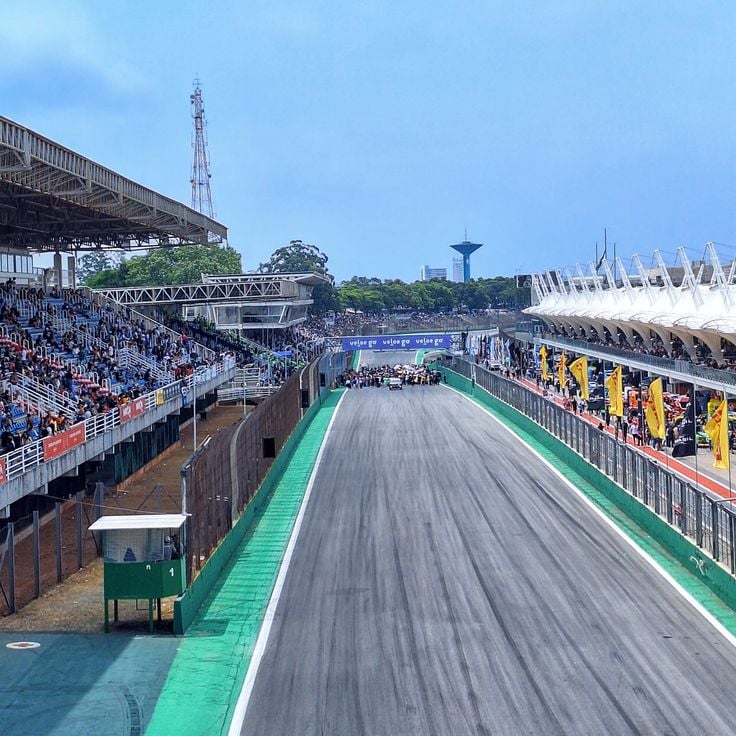
The Autódromo José Carlos Pace, widely known as Interlagos, sits in the southern part of São Paulo and hosts the Brazilian Grand Prix. The track winds through hilly terrain, with fast corners and a layout that has stayed mostly unchanged for decades. The race typically takes place near the end of the season, drawing large and loud crowds who make the grandstands feel alive.
The Las Vegas Strip Circuit runs through the heart of the Strip, the long boulevard lined with casinos, hotels and neon signs. The race takes place at night, when the lights of the city surround the track on all sides. Drivers move at high speed along roads that, on any other night, are filled with tourists strolling between the casinos. The contrast between the glamour of the surroundings and the raw speed of the cars gives this race its own character.
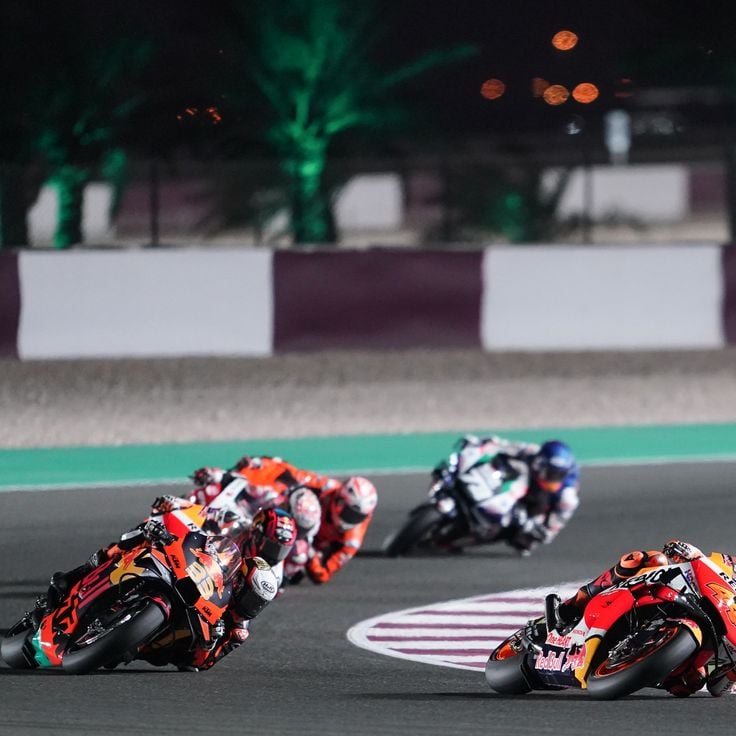
The Lusail International Circuit sits in the city of Lusail, just north of Doha, and hosts the Qatar Grand Prix. Built in the early 2000s, the track runs across a flat desert landscape. It is known for its long straights and fast corners, which push cars to very high speeds. Races here often take place in the evening, under floodlights that light up the desert sky and give the event a distinct feel.
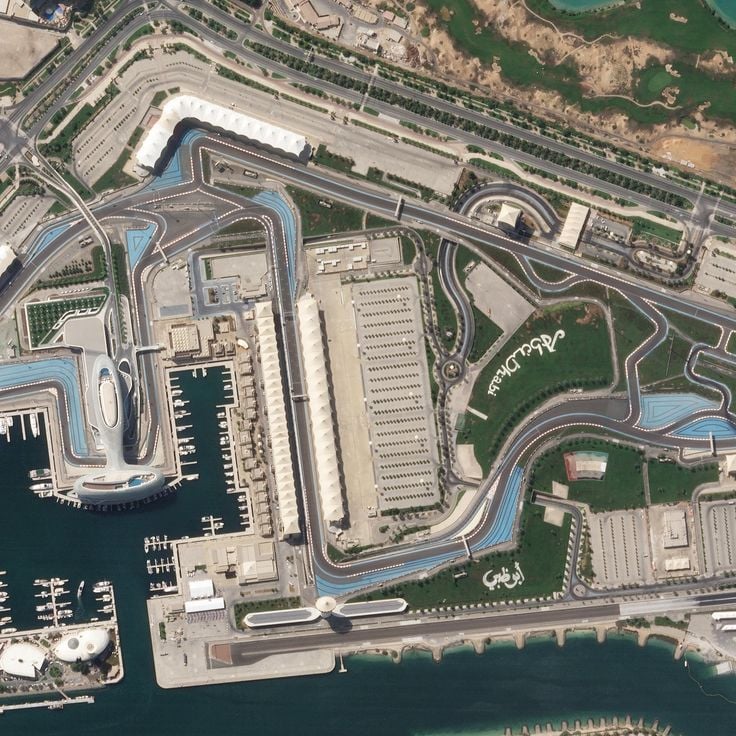
The Yas Marina Circuit in Abu Dhabi hosts the Abu Dhabi Grand Prix, the traditional season finale of Formula 1. Located on Yas Island by the water, the track runs around a hotel that the cars actually pass under. Races are held in the evening, so the whole circuit glows under artificial lights as the sun goes down.
The Albert Park Circuit runs through a city park in Melbourne and hosts the Australian Grand Prix. The track winds around a lake, using roads that are normally open to the public but closed for the race weekend. As the season opener in many years, it is one of the first chances to see the new cars in action on a street-style layout.
The Shanghai International Circuit is one of the most recognizable tracks in Asia. Built in the shape of a lotus flower, it sits on the outskirts of Shanghai and hosts the Chinese Grand Prix, a regular stop on the 2026 Formula 1 World Championship calendar. The layout mixes tight sections with long straights, which tends to produce varied and competitive racing.
The Suzuka Circuit is one of the most recognizable tracks on the 2026 Formula 1 calendar. Its figure-eight layout is genuinely rare: the track crosses over itself through a bridge, creating a shape found nowhere else in the championship. Crowds fill the grandstands every year for the Japanese Grand Prix, and the fans are known for their passion. The corners are fast and demand precise driving throughout the lap.
The Miami International Autodrome is a street circuit built around Hard Rock Stadium in the Miami Gardens area. The track runs across parking lots and access roads surrounding the stadium. Drivers face a mix of fast straights and tight corners. Fans sit close to the action, giving race day a charged and noisy feel that sets it apart from traditional road courses.
The Circuit Gilles-Villeneuve sits on Île Notre-Dame in Montréal and hosts the Canadian Grand Prix each year. The track runs through a riverside park along the St. Lawrence River. It is known for its long straights, tight chicanes, and the Wall of Champions at the pit lane exit, which has caught out many top drivers over the years.
The Monaco Circuit runs through the narrow streets of the Principality and is one of the most demanding tracks on the 2026 Formula 1 calendar. Cars pass through a tunnel, skirt the harbor, and navigate tight corners, while grandstands and balconies sit just feet (a few meters) from the track.
The Circuit de Barcelona-Catalunya sits just outside the city of Barcelona, in the town of Montmeló. It has hosted Formula 1 races for decades and is known for its long, flowing corners that put a real demand on car setups and tire wear. Fans in the grandstands can follow the action across several parts of the track, and the warm Mediterranean weather makes race weekend a lively outdoor event. Teams often use this circuit for pre-season testing as well.
The Red Bull Ring sits in Spielberg, in the Styrian hills of Austria. The track is relatively short but runs up and down across a hilly landscape, which makes overtaking tricky and racing unpredictable. The grandstands fill with enthusiastic fans, many of them Austrian and German, who come every year for the Austrian Grand Prix, one of the season's more energetic stops on the F1 calendar.
The Silverstone Circuit is home to the British Grand Prix and sits on the grounds of a former World War II airfield in Northamptonshire, England. It is one of the oldest tracks on the Formula 1 calendar, known for its fast, flowing corners and the unpredictable English wind that keeps drivers on edge throughout the race. The crowd is passionate and the stands fill up completely every race weekend, making it one of the most energetic stops on the calendar.
The Circuit de Spa-Francorchamps winds through the forested hills of the Belgian Ardennes. The track is known for its long, fast corners and sudden changes in weather, which can shift from sunshine to heavy rain within a single lap. The Eau Rouge and Raidillon section, where the road dips then climbs steeply, is one of the most talked-about parts of any race weekend. The Belgian Grand Prix held here draws fans who camp in the surrounding woods for the full weekend.
The Hungaroring sits just outside Budapest and hosts the Hungarian Grand Prix each season. The track winds through a series of tight corners that make passing difficult and demand constant precision from drivers. Races here often take place in the peak of summer, when heat becomes a real factor on the circuit.
The Circuit Zandvoort is a fast track built among the dunes near the North Sea. The layout follows the natural shape of the land, with banked corners that push drivers to the limit. The grandstands fill with passionate Dutch fans who come to cheer on their home race. The Dutch Grand Prix is one of the most energetic rounds of the 2026 season.
The Autodromo Nazionale Monza sits inside an old park just north of Milan and is one of the fastest tracks on the Formula 1 calendar. Its long straights allow cars to reach very high speeds, while the few corners demand precision from the drivers. The grandstands fill up each year with passionate Italian fans, many of whom come above all to cheer for Ferrari. The Italian Grand Prix held here is one of the oldest races in the world championship.
The Madring is a street circuit in Madrid that hosts the Spanish Grand Prix for the 2026 Formula 1 season. The track runs through the city streets, bringing the race directly into the heart of Madrid and giving spectators a close look at the cars in an urban setting.
The Baku City Circuit runs through the heart of the Azerbaijani capital, along the shores of the Caspian Sea. Drivers pass by the old city walls and long seafront avenues before tackling some of the tightest corners found on any Formula 1 track. In 2026, it remains one of the few street circuits where high speeds and narrow passages alternate throughout the entire lap.
The Marina Bay Street Circuit hosts the Formula 1 Singapore Grand Prix. The race takes place at night, which makes it one of the few races on the calendar run under floodlights. The track winds through the streets along the waterfront, passing lit-up buildings, bridges, and the waters of Marina Bay. Drivers navigate tight corners and long straights bathed in artificial light, giving the event a look unlike most other rounds of the season.
The Circuit of the Americas sits just outside Austin, Texas, and hosts the United States Grand Prix. Built specifically for Formula 1 racing, the track features corners inspired by sections of other famous circuits around the world. Austin brings a lively crowd that treats race weekend more like a music festival than a sporting event, with concerts and a relaxed Texas spirit running through the whole experience.
The Autódromo Hermanos Rodríguez sits in Mexico City at an elevation of about 7,300 ft (2,200 m) above sea level, making it one of the highest circuits on the Formula 1 calendar. The thin air affects how cars perform and forces teams to rethink their setups. A stadium section cuts through the circuit, where fans gather in large numbers to watch the cars pass just a few feet away. The track is named after Ricardo and Pedro Rodríguez, two Mexican brothers who raced in Formula 1.
The Autódromo José Carlos Pace, widely known as Interlagos, sits in the southern part of São Paulo and hosts the Brazilian Grand Prix. The track winds through hilly terrain, with fast corners and a layout that has stayed mostly unchanged for decades. The race typically takes place near the end of the season, drawing large and loud crowds who make the grandstands feel alive.
The Las Vegas Strip Circuit runs through the heart of the Strip, the long boulevard lined with casinos, hotels and neon signs. The race takes place at night, when the lights of the city surround the track on all sides. Drivers move at high speed along roads that, on any other night, are filled with tourists strolling between the casinos. The contrast between the glamour of the surroundings and the raw speed of the cars gives this race its own character.
The Lusail International Circuit sits in the city of Lusail, just north of Doha, and hosts the Qatar Grand Prix. Built in the early 2000s, the track runs across a flat desert landscape. It is known for its long straights and fast corners, which push cars to very high speeds. Races here often take place in the evening, under floodlights that light up the desert sky and give the event a distinct feel.
The Yas Marina Circuit in Abu Dhabi hosts the Abu Dhabi Grand Prix, the traditional season finale of Formula 1. Located on Yas Island by the water, the track runs around a hotel that the cars actually pass under. Races are held in the evening, so the whole circuit glows under artificial lights as the sun goes down.
The Albert Park Circuit runs through a city park in Melbourne and hosts the Australian Grand Prix. The track winds around a lake, using roads that are normally open to the public but closed for the race weekend. As the season opener in many years, it is one of the first chances to see the new cars in action on a street-style layout.
The Shanghai International Circuit is one of the most recognizable tracks in Asia. Built in the shape of a lotus flower, it sits on the outskirts of Shanghai and hosts the Chinese Grand Prix, a regular stop on the 2026 Formula 1 World Championship calendar. The layout mixes tight sections with long straights, which tends to produce varied and competitive racing.
The Suzuka Circuit is one of the most recognizable tracks on the 2026 Formula 1 calendar. Its figure-eight layout is genuinely rare: the track crosses over itself through a bridge, creating a shape found nowhere else in the championship. Crowds fill the grandstands every year for the Japanese Grand Prix, and the fans are known for their passion. The corners are fast and demand precise driving throughout the lap.
The Miami International Autodrome is a street circuit built around Hard Rock Stadium in the Miami Gardens area. The track runs across parking lots and access roads surrounding the stadium. Drivers face a mix of fast straights and tight corners. Fans sit close to the action, giving race day a charged and noisy feel that sets it apart from traditional road courses.
The Circuit Gilles-Villeneuve sits on Île Notre-Dame in Montréal and hosts the Canadian Grand Prix each year. The track runs through a riverside park along the St. Lawrence River. It is known for its long straights, tight chicanes, and the Wall of Champions at the pit lane exit, which has caught out many top drivers over the years.
The Monaco Circuit runs through the narrow streets of the Principality and is one of the most demanding tracks on the 2026 Formula 1 calendar. Cars pass through a tunnel, skirt the harbor, and navigate tight corners, while grandstands and balconies sit just feet (a few meters) from the track.
The Circuit de Barcelona-Catalunya sits just outside the city of Barcelona, in the town of Montmeló. It has hosted Formula 1 races for decades and is known for its long, flowing corners that put a real demand on car setups and tire wear. Fans in the grandstands can follow the action across several parts of the track, and the warm Mediterranean weather makes race weekend a lively outdoor event. Teams often use this circuit for pre-season testing as well.
The Red Bull Ring sits in Spielberg, in the Styrian hills of Austria. The track is relatively short but runs up and down across a hilly landscape, which makes overtaking tricky and racing unpredictable. The grandstands fill with enthusiastic fans, many of them Austrian and German, who come every year for the Austrian Grand Prix, one of the season's more energetic stops on the F1 calendar.
The Silverstone Circuit is home to the British Grand Prix and sits on the grounds of a former World War II airfield in Northamptonshire, England. It is one of the oldest tracks on the Formula 1 calendar, known for its fast, flowing corners and the unpredictable English wind that keeps drivers on edge throughout the race. The crowd is passionate and the stands fill up completely every race weekend, making it one of the most energetic stops on the calendar.
The Circuit de Spa-Francorchamps winds through the forested hills of the Belgian Ardennes. The track is known for its long, fast corners and sudden changes in weather, which can shift from sunshine to heavy rain within a single lap. The Eau Rouge and Raidillon section, where the road dips then climbs steeply, is one of the most talked-about parts of any race weekend. The Belgian Grand Prix held here draws fans who camp in the surrounding woods for the full weekend.
The Hungaroring sits just outside Budapest and hosts the Hungarian Grand Prix each season. The track winds through a series of tight corners that make passing difficult and demand constant precision from drivers. Races here often take place in the peak of summer, when heat becomes a real factor on the circuit.
The Circuit Zandvoort is a fast track built among the dunes near the North Sea. The layout follows the natural shape of the land, with banked corners that push drivers to the limit. The grandstands fill with passionate Dutch fans who come to cheer on their home race. The Dutch Grand Prix is one of the most energetic rounds of the 2026 season.
The Autodromo Nazionale Monza sits inside an old park just north of Milan and is one of the fastest tracks on the Formula 1 calendar. Its long straights allow cars to reach very high speeds, while the few corners demand precision from the drivers. The grandstands fill up each year with passionate Italian fans, many of whom come above all to cheer for Ferrari. The Italian Grand Prix held here is one of the oldest races in the world championship.
The Madring is a street circuit in Madrid that hosts the Spanish Grand Prix for the 2026 Formula 1 season. The track runs through the city streets, bringing the race directly into the heart of Madrid and giving spectators a close look at the cars in an urban setting.
The Baku City Circuit runs through the heart of the Azerbaijani capital, along the shores of the Caspian Sea. Drivers pass by the old city walls and long seafront avenues before tackling some of the tightest corners found on any Formula 1 track. In 2026, it remains one of the few street circuits where high speeds and narrow passages alternate throughout the entire lap.
The Marina Bay Street Circuit hosts the Formula 1 Singapore Grand Prix. The race takes place at night, which makes it one of the few races on the calendar run under floodlights. The track winds through the streets along the waterfront, passing lit-up buildings, bridges, and the waters of Marina Bay. Drivers navigate tight corners and long straights bathed in artificial light, giving the event a look unlike most other rounds of the season.
The Circuit of the Americas sits just outside Austin, Texas, and hosts the United States Grand Prix. Built specifically for Formula 1 racing, the track features corners inspired by sections of other famous circuits around the world. Austin brings a lively crowd that treats race weekend more like a music festival than a sporting event, with concerts and a relaxed Texas spirit running through the whole experience.
The Autódromo Hermanos Rodríguez sits in Mexico City at an elevation of about 7,300 ft (2,200 m) above sea level, making it one of the highest circuits on the Formula 1 calendar. The thin air affects how cars perform and forces teams to rethink their setups. A stadium section cuts through the circuit, where fans gather in large numbers to watch the cars pass just a few feet away. The track is named after Ricardo and Pedro Rodríguez, two Mexican brothers who raced in Formula 1.
The Autódromo José Carlos Pace, widely known as Interlagos, sits in the southern part of São Paulo and hosts the Brazilian Grand Prix. The track winds through hilly terrain, with fast corners and a layout that has stayed mostly unchanged for decades. The race typically takes place near the end of the season, drawing large and loud crowds who make the grandstands feel alive.
The Las Vegas Strip Circuit runs through the heart of the Strip, the long boulevard lined with casinos, hotels and neon signs. The race takes place at night, when the lights of the city surround the track on all sides. Drivers move at high speed along roads that, on any other night, are filled with tourists strolling between the casinos. The contrast between the glamour of the surroundings and the raw speed of the cars gives this race its own character.
The Lusail International Circuit sits in the city of Lusail, just north of Doha, and hosts the Qatar Grand Prix. Built in the early 2000s, the track runs across a flat desert landscape. It is known for its long straights and fast corners, which push cars to very high speeds. Races here often take place in the evening, under floodlights that light up the desert sky and give the event a distinct feel.
The Yas Marina Circuit in Abu Dhabi hosts the Abu Dhabi Grand Prix, the traditional season finale of Formula 1. Located on Yas Island by the water, the track runs around a hotel that the cars actually pass under. Races are held in the evening, so the whole circuit glows under artificial lights as the sun goes down.
The 2026 Formula 1 season invites you to travel around the world through its 22 circuits. Each track tells a different story, from the fast pace of city races to the technical challenge of mountain courses. Before you follow your favorite drivers, prepare yourself mentally: some circuits need real stamina, especially those raced at night or at high altitude. The key to enjoying a full season is understanding how each place influences the racing.