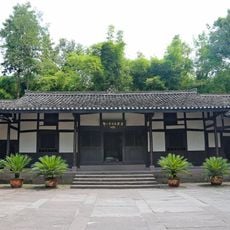
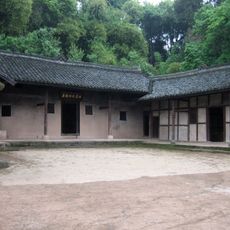
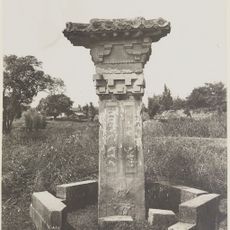
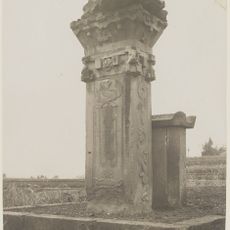
渠县汉阙, Stone archway monument in Qu County, China.
The Qu County Hanque ensemble consists of several dressed stone pillars with carved scenes and decorative elements arranged in symmetrical patterns. The structures display typical Han-period stonework with details that remain clear and readable today.
The monuments were built during the Han Dynasty between 206 BCE and 220 CE as tomb structures for wealthy families. This architectural tradition was typical of how the dead were honored during that era.
The ensemble displays carved patterns that show how local craftspeople blended regional styles with imperial building traditions of the Han period. Visitors can observe these details directly and understand how stone carvers worked at that time.
The site is protected as a national cultural monument and requires advance registration or permission to visit. It helps to hire a local guide to fully understand the inscriptions and carvings on display.
The stone pillars still bear readable names and titles of the people they were built for, preserving rare personal information from Han times. These inscriptions make each pillar an individual memorial for a specific person or family.
The community of curious travelers
AroundUs brings together thousands of curated places, local tips, and hidden gems, enriched daily by 90,907 contributors worldwide.