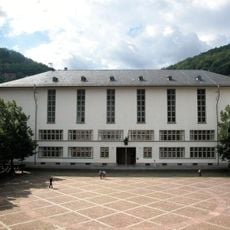
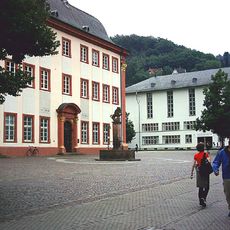
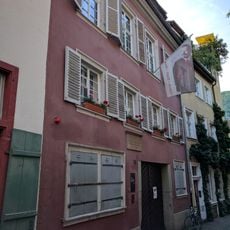
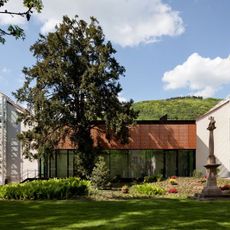
Uruk-Warka-Sammlung Heidelberg, Archaeological museum at University of Heidelberg, Germany
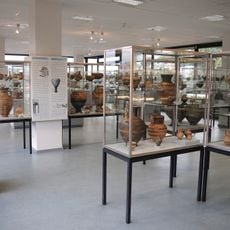
The Uruk-Warka Collection is an archaeological museum at the University of Heidelberg containing more than 7,000 objects from excavations of the ancient Mesopotamian city of Uruk in present-day Iraq. The collection displays items from different time periods, including clay tablets, pottery, and tools spanning several millennia.
The collection was built through German archaeological expeditions in the 1950s and 1960s when researchers systematically explored the ancient city of Uruk. These excavations contributed significantly to understanding early Mesopotamian civilizations and the development of human society.
The collection displays objects showing how people in antiquity wrote and kept records. You can see clay tablets with the oldest written marks and learn how these marks evolved over centuries.
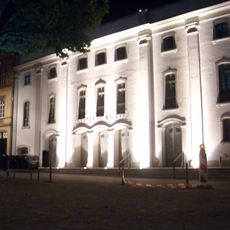
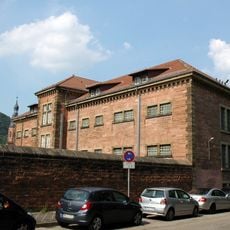
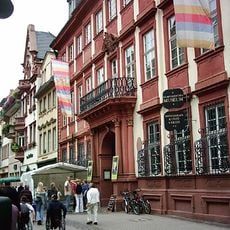
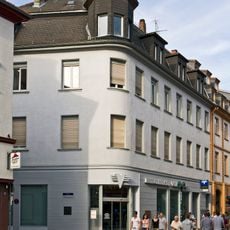
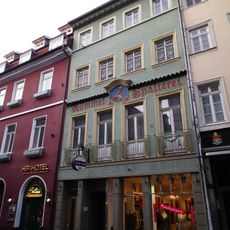
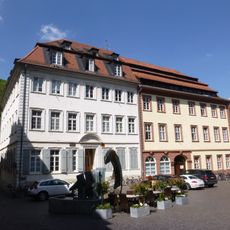
The collection is located at Marstallstrasse 6 in Heidelberg and is currently accessible only by prior appointment due to extensive renovation work. Visitors should check ahead and arrange a visit before coming to the location.
The collection preserves around 3,000 clay tablets with cuneiform script that document the emergence of humanity's earliest writing system. These texts reveal how administration and trade functioned in one of the world's oldest cities.
The community of curious travelers
AroundUs brings together thousands of curated places, local tips, and hidden gems, enriched daily by 91,474 contributors worldwide.