Tiger Cave, Rock-cut Hindu temple in Kanchipuram, India
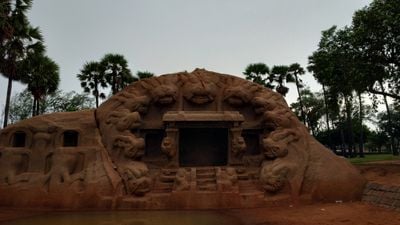
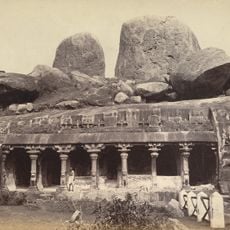
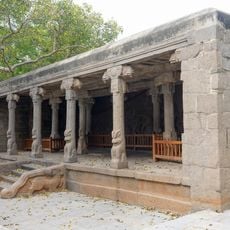
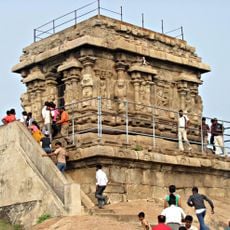
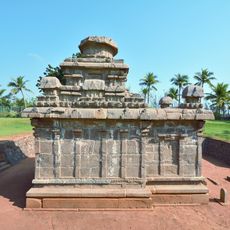
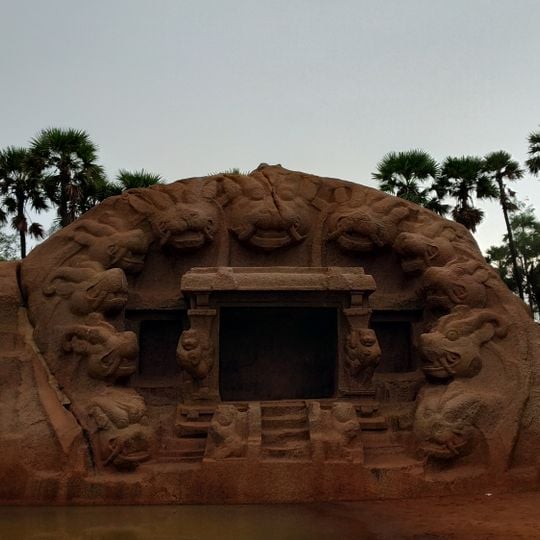
Tiger Cave is a rock-cut Hindu temple on the Coromandel Coast in Kanchipuram district, Tamil Nadu, carved directly into a large granite outcrop near the sea. The site consists of a shallow open hall fronted by a row of heads carved in the shape of open-mouthed tigers, with shrine niches cut into the rock behind.
The site dates to the Pallava period, around the 7th or 8th century, when craftsmen in this part of Tamil Nadu were developing the practice of carving directly into living rock. Work on the site appears to have stopped before completion, leaving parts of the rock unfinished.
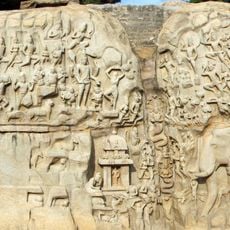
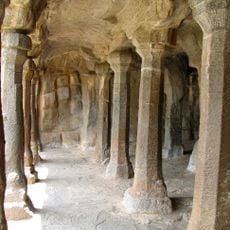
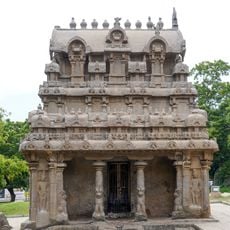
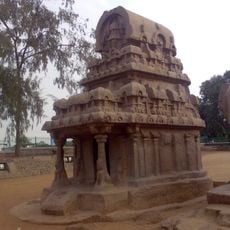
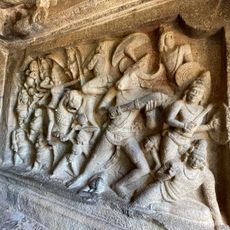
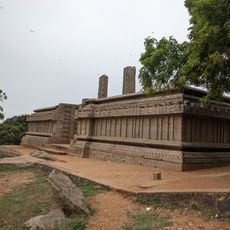
The temple displays traditional Tamil architectural elements through its pillared mandapa and intricate stone carvings that narrate stories from Hindu mythology. The way these sculptures are positioned across the rock reveals the craftsmanship and skill that went into shaping this sacred space.
The site sits on the coast just north of Mahabalipuram and is easy to walk around, as the carved area is compact and does not take long to see. The ground around the rock is uneven, so sturdy footwear is a good idea.
The row of tiger heads at the entrance is one of the most detailed examples of this type of carving in Pallava art, and each head is slightly different from the next. Just behind the site, the beach begins, making it one of the rare places where a rock-cut temple sits right at the water's edge.
The community of curious travelers
AroundUs brings together thousands of curated places, local tips, and hidden gems, enriched daily by 91,723 contributors worldwide.