Kōmori-zuka Burial Mound, Ancient burial mound in Sōja, Japan.
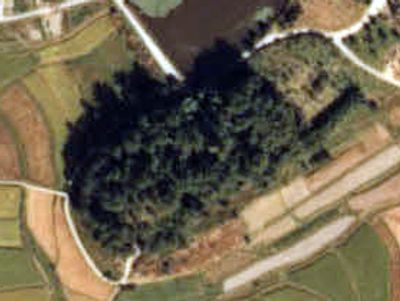
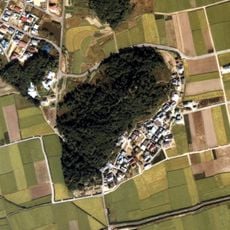
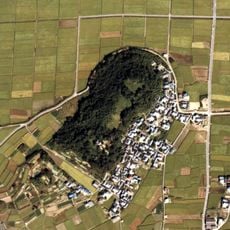
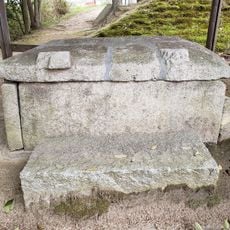
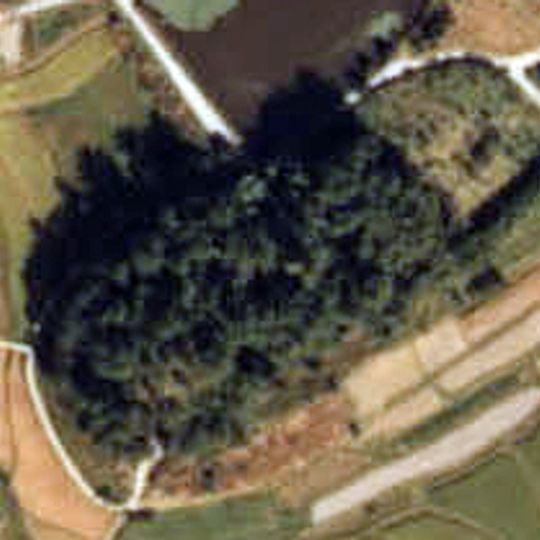
Kōmori-zuka Burial Mound is an ancient kofun with the distinctive keyhole shape in Sōja. The mound consists of a rectangular front chamber connected to a circular rear section, separated by earthen ridges and moats.
This kofun was constructed during the Kofun period between 250 and 538 AD, reflecting burial customs of early Japanese rulers. The elaborate mound construction demonstrates the power and status these leaders held in their time.
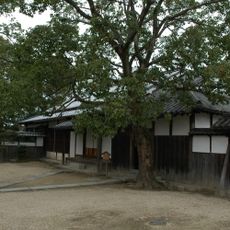
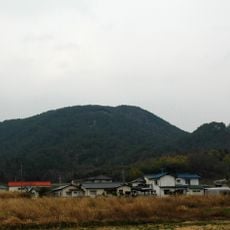
The site sits quietly in a residential area where locals pass by regularly, and the mound itself looks like a natural green hill rising from the flat landscape. People can walk around it today and see how the distinctive keyhole form would have been recognizable from above to those who visited in ancient times.
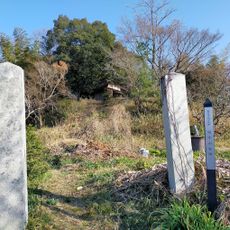
The mound is freely accessible year-round with no entrance fee for visitors wishing to explore. Informational signs on site help explain the historical importance and structure of the ancient monument.
The name Kōmori-zuka literally translates to 'Bat Mound', giving this archaeological site a distinctive and surprising identity. This unusual naming reflects how ancient Japanese sites were often named after local observations or folk beliefs.
The community of curious travelers
AroundUs brings together thousands of curated places, local tips, and hidden gems, enriched daily by 91,270 contributors worldwide.