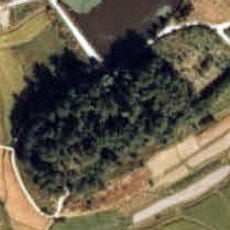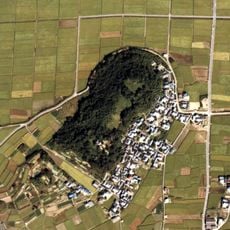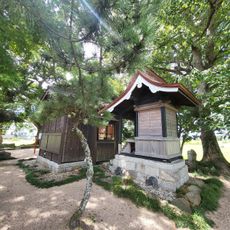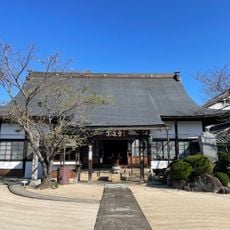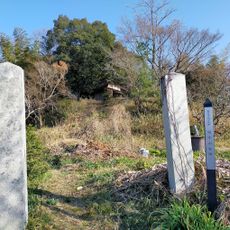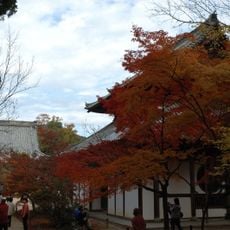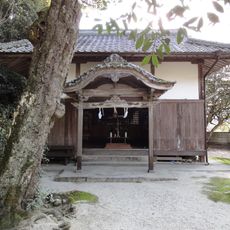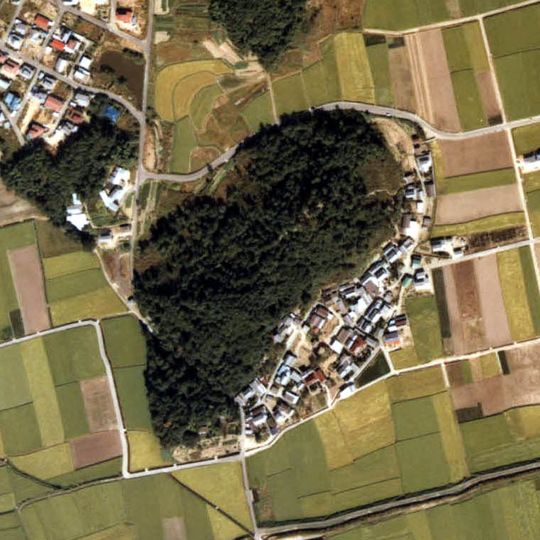
Tsukuriyama Kofun, Burial mound in Kita-ku, Okayama, Japan.
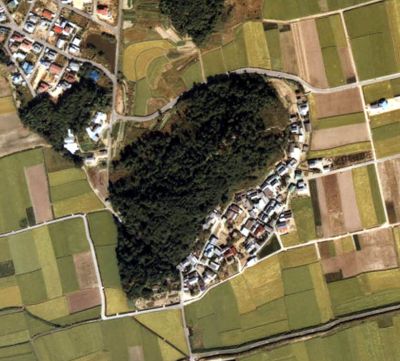
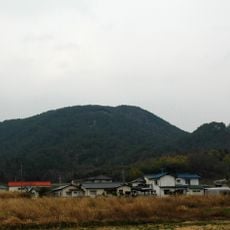
Tsukuriyama Kofun is a keyhole-shaped burial mound stretching about 350 meters in length with a square front and circular rear section. The mound rises in tiers, creating the distinctive silhouette characteristic of important tombs from this era.
The mound was built in the first half of the 5th century as a tomb for rulers of the Kingdom of Kibi. It became a National Historic Site in 1921, recognizing its importance as one of the era's major burial grounds.
The mound displays typical elements of ancient Japanese burial customs with clay figures and stone coverings arranged across its surface. These construction choices show how much effort was invested in honoring the deceased leaders.
A visitor center opened in 2020 offers information about the archaeological site and ongoing research findings. The center helps guests understand the mound's layout and its significance in regional history.
Excavations from 2009 to 2012 uncovered a moat about 20 meters wide running along the eastern side of the circular portion. This discovery provided clues about how the burial ground was originally protected and organized.
The community of curious travelers
AroundUs brings together thousands of curated places, local tips, and hidden gems, enriched daily by 92,166 contributors worldwide.