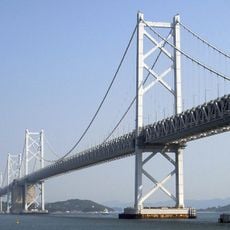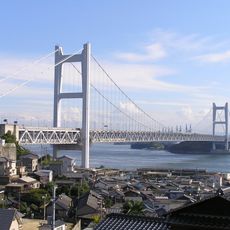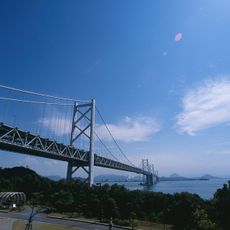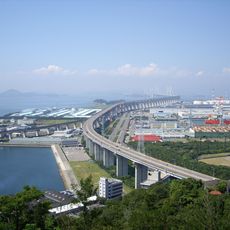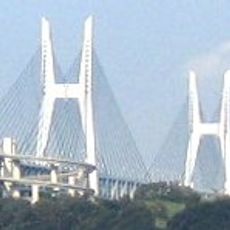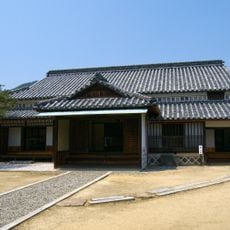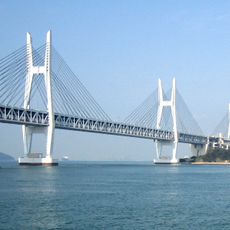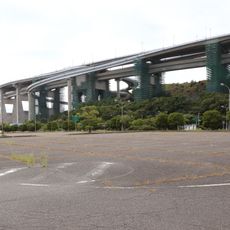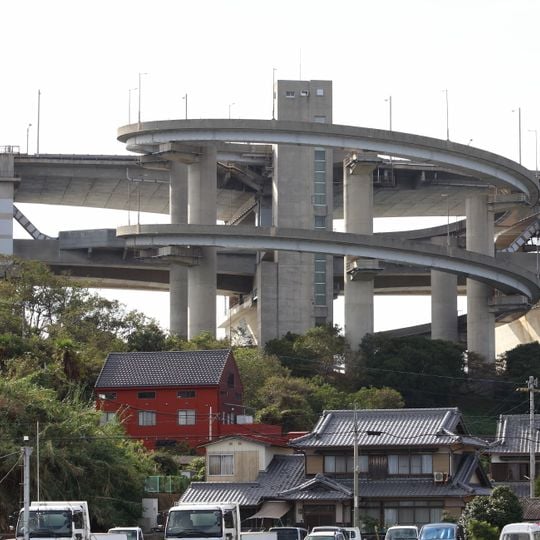
Iwakurojima Viaduct, Double-decked bridge in Sakaide, Japan
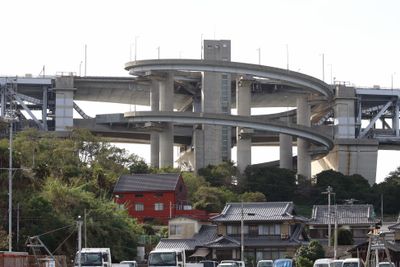
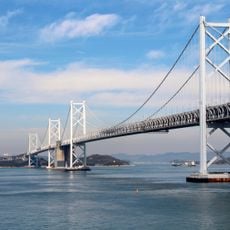
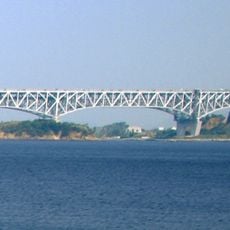
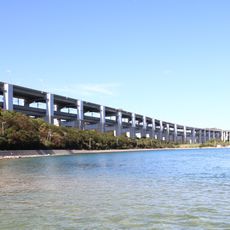
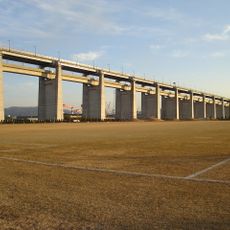
The Iwakurojima Viaduct is a double-decked bridge that carries road traffic on the upper level and railway transport on the lower level across multiple islands in the Seto Inland Sea. The structure links several islands in a continuous chain using modern stacked-level engineering for efficient transport separation.
Completed in 1988, this viaduct replaced ferry services that had connected the islands for decades and introduced modern bridge technology to the region. The project marked a major shift in how residents and visitors moved between these island communities.
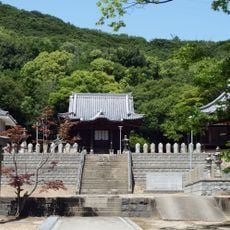
The viaduct serves pilgrims traveling between temples in the Seto Inland Sea area, as the crossing facilitates access to sacred sites. Local communities use this passage as an important connection that links their islands to mainland pilgrimage routes.
The viaduct is best accessed by train since it carries railway transport, with stations on both ends providing convenient access to the structure. Viewing areas along nearby roads offer good perspectives of the bridge from ground level, and the crossing takes roughly 15 minutes by vehicle or train.
The structure employs a continuous steel framework that separates the two traffic levels, representing a remarkable engineering solution from the 1980s that solved the challenge of connecting islands without disrupting either transport mode. This design principle influenced similar bridge projects across Japan and became a reference model for stacked-level bridge construction.
The community of curious travelers
AroundUs brings together thousands of curated places, local tips, and hidden gems, enriched daily by 90,827 contributors worldwide.