Loriyan Tangai, Buddhist archaeological site in Gandhara, Pakistan
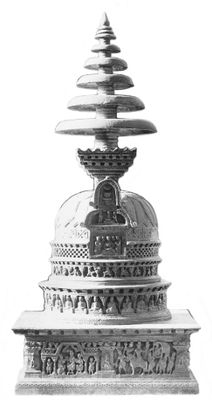
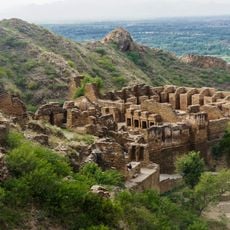
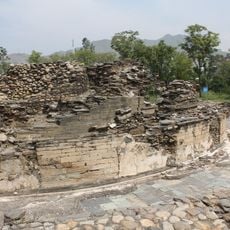
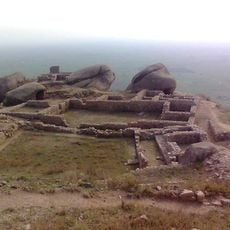
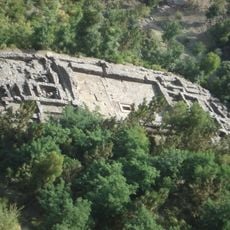
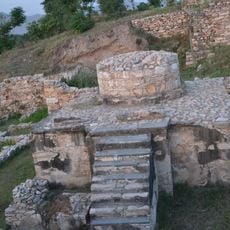
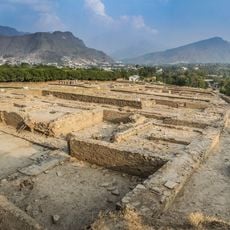
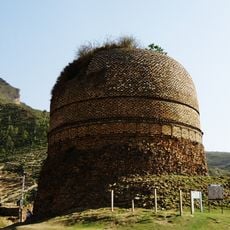
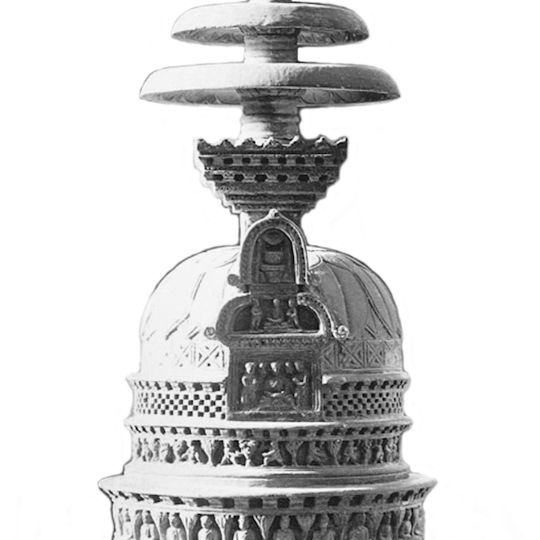
Loriyan Tangai is an archaeological site in the Gandhara region containing multiple stupas and religious structures from the Buddhist era. The complex includes the remains of various buildings from which many statues and artifacts were uncovered during excavations.
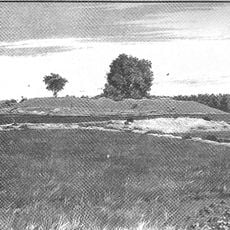
The site was excavated in 1896 by Alexander Caddy, who sent the discovered artifacts to the Indian Museum in Calcutta for safekeeping. This early excavation was crucial for preserving and studying the remains from this Buddhist settlement.
The Buddhist statues here blend Greek and local artistic styles, with figures wearing clothing similar to what Indo-Scythian people wore at the time. You can see this cultural mixing in the surviving works, which show how different peoples influenced each other in this region.
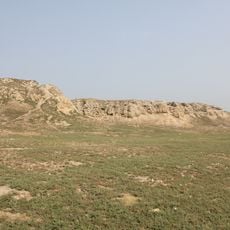
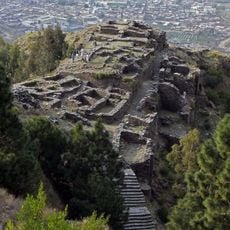
As an excavated site, what remains visible today includes preserved foundations and remnants of religious buildings scattered across the location. Most artifacts have been moved to museums, so a visit focuses on the structures still in place and understanding the setting of ancient Gandhara.
Some of the artifacts discovered here, including a Buddha statue base with an inscription, are now housed in the British Museum. This dispersal of finds across different museums has allowed scholars to compare and analyze the various workshops and techniques used in local art production.
The community of curious travelers
AroundUs brings together thousands of curated places, local tips, and hidden gems, enriched daily by 91,277 contributors worldwide.