Eastern Europe, Geographic region in Europe
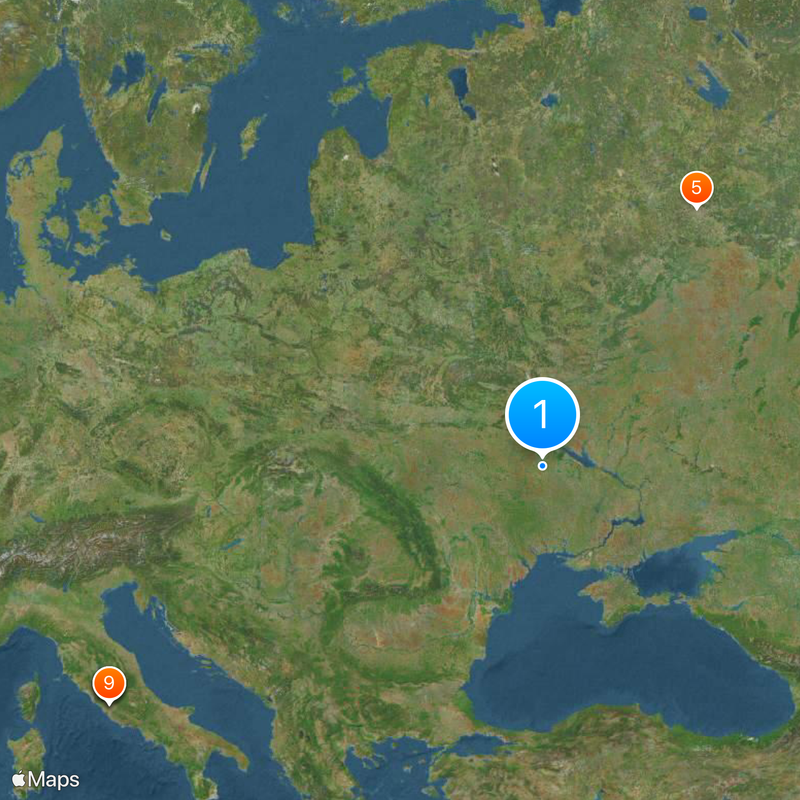
This region stretches from the Baltic Sea to the Black Sea, covering countries between Central Europe and the Ural Mountains in Russia. Dense forests alternate with flat plains, crossed by rivers like the Danube, Dnieper, and Vistula that have enabled trade and settlement for centuries.
Following World War II, these countries fell under Soviet influence until communist regimes collapsed in 1989. Since then, most have formed democratic governments and joined the European Union or NATO.
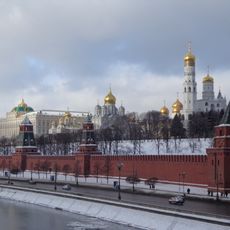
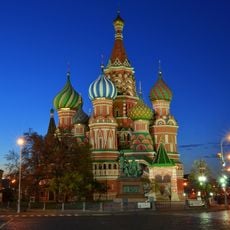
Slavic languages echo through streets while Orthodox churches with gilded domes stand beside Catholic cathedrals, showing the religious mosaic of the region. Folk dances and handcraft traditions remain alive in rural villages, where families preserve old patterns in textiles and ceramics.
Traveling through multiple countries often requires visas depending on your nationality, with some countries being Schengen members and others not. Exchange rates and payment methods vary widely, as several currencies are used alongside the euro.
The largest European plain stretches from Germany through Russia, allowing continuous agricultural use across thousands of kilometers. This flat landscape shaped how people settled, fought wars, and conducted trade throughout history.
The community of curious travelers
AroundUs brings together thousands of curated places, local tips, and hidden gems, enriched daily by 60,000 contributors worldwide.