National Museum of Indonesia, Museum complex in Gambir, Indonesia
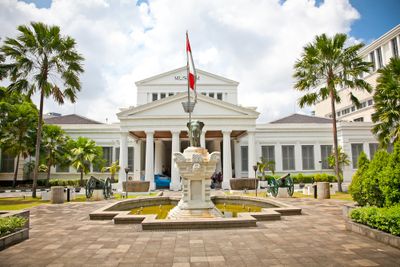
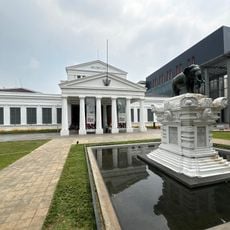
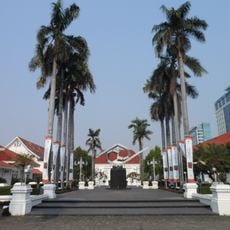
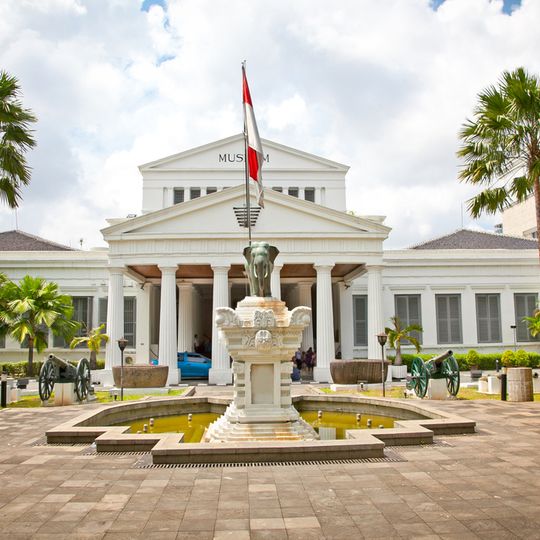
The National Museum of Indonesia is a museum complex in Gambir holding over 140,000 objects spanning from prehistory to modern times. These collections are displayed across two connected buildings on Merdeka Barat Street and include archaeological discoveries and artworks.
The institution was founded in 1868 by Dutch scholars as Bataviaasch Genootschap van Kunsten en Wetenschappen and served as an academic center in Southeast Asia. Following Indonesia's independence, it was transformed into a national museum documenting the archipelago's past.
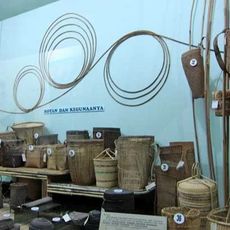
The museum displays textiles, ritual objects, and ancient inscriptions from different Indonesian regions. Visitors can see how these artifacts reflect the varied traditions and craftsmanship found across the archipelago.
The museum is divided into two buildings with permanent collections in the main structure and temporary exhibitions in the north wing. Guided tours are available in multiple languages and help visitors navigate the extensive holdings.
A bronze elephant statue gifted by Thai King Chulalongkorn in 1871 stands at the entrance. This sculpture inspired the nickname Museum Gajah, by which the institution is still known today.
The community of curious travelers
AroundUs brings together thousands of curated places, local tips, and hidden gems, enriched daily by 92,494 contributors worldwide.