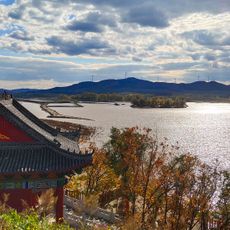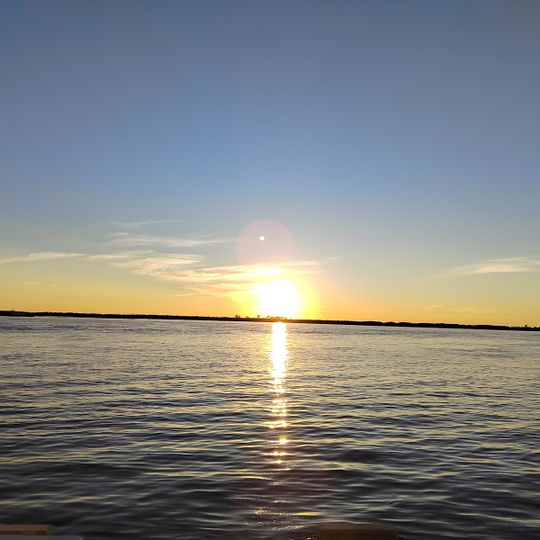
Amur River, River system in Eastern Siberia and Northeastern China
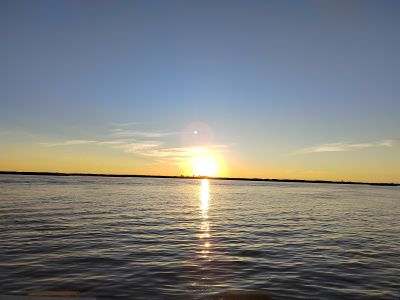
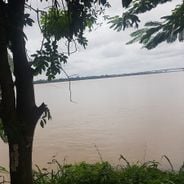
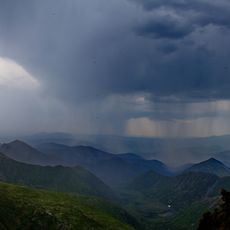
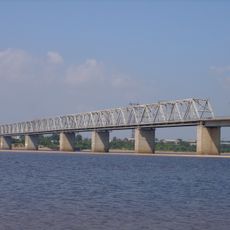
The Amur is a major river stretching roughly 2,800 kilometers through varied landscapes, from mountainous regions to flat plains before flowing into the Sea of Okhotsk. The river system supports over a hundred fish species from different families, including the kaluga sturgeon, which can grow to considerable sizes.
The river gained significance as a political boundary in 1858 when the Treaty of Aigun established it as the border between the Russian Empire and Qing Dynasty China. This agreement shaped the region and its international relations for generations to come.
The name reflects how different peoples viewed this river: Chinese call it Heilong Jiang, meaning Black Dragon River, while Mongolian speakers know it as Kharamuren, meaning Black River. These names show how various cultures have woven the waterway into their own traditions and identities.
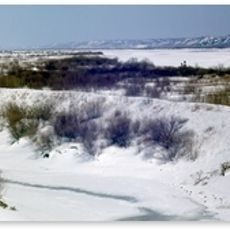
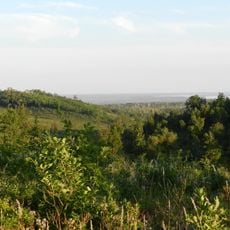
The river flows through different climate zones with conditions that vary by season, and some sections freeze during winter months. Anyone exploring the waterway should pay attention to local conditions and prepare accordingly for the time of year they visit.
This river ranks among the world's longest waterways that remain undammed and flow freely in their natural state. Its unrestricted movement across three distinct geographical zones makes it unusual compared to other major river systems.
The community of curious travelers
AroundUs brings together thousands of curated places, local tips, and hidden gems, enriched daily by 90,814 contributors worldwide.