Harran Ruins, Archaeological site in Harran, Turkey
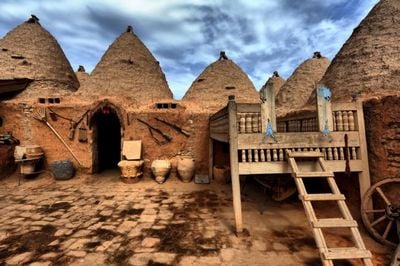
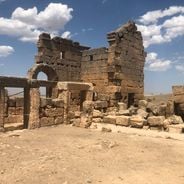
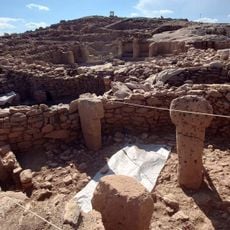
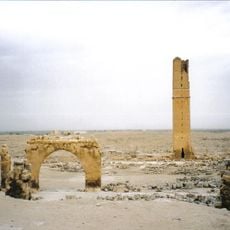
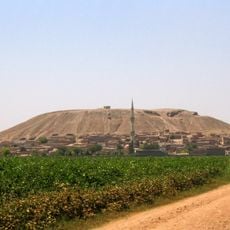
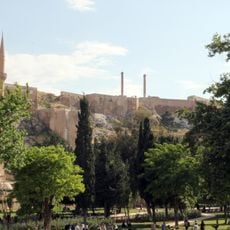
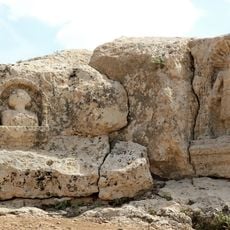
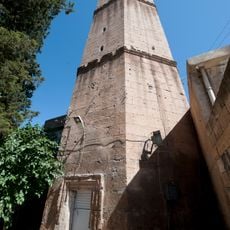
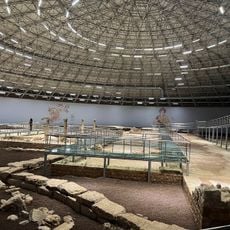
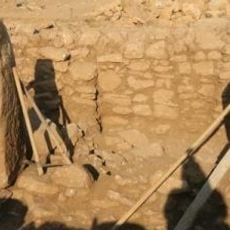
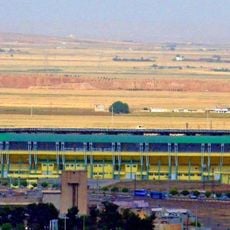
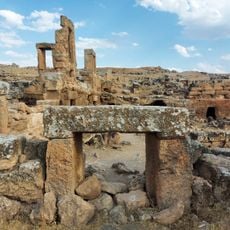
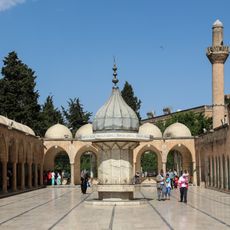
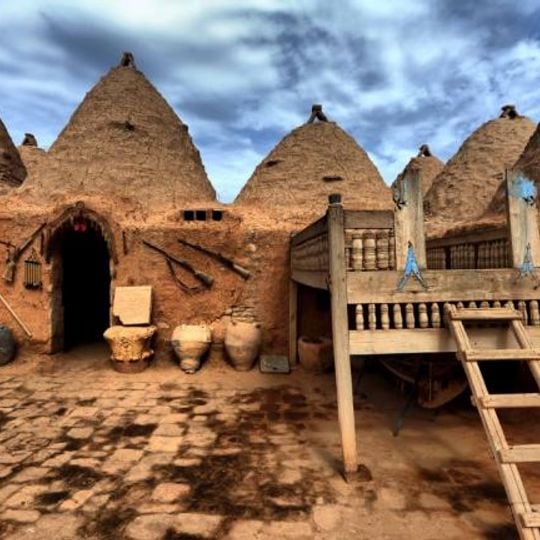
The Harran Ruins are an archaeological site in southeastern Turkey, set on a flat, dry plain south of Şanlıurfa, near the Syrian border. The site includes old city walls, a citadel mound, the remains of a large mosque with a minaret, and a group of restored beehive-shaped mud brick houses.
Harran was an active city in Mesopotamia from the third millennium BC, known for a temple to the moon god Sin and for its role in regional trade. In the 8th century, a major mosque and attached school were built here, making it one of the earliest centers of Islamic learning in the region.
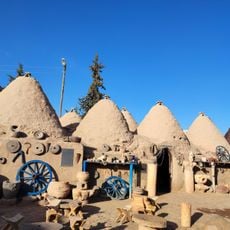
The beehive houses still standing in the village are the most recognizable feature of Harran. Their cone-shaped domes are built without wood or metal framing, using a technique that keeps the interior cooler during the hot summers.
The site sits on an open plain with little shade, so sun protection and plenty of water are essential, especially in summer. A visit usually takes one to two hours, and most travelers combine it with a day trip from Şanlıurfa.
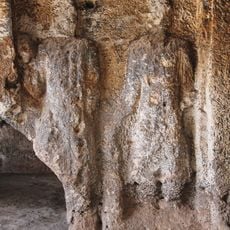
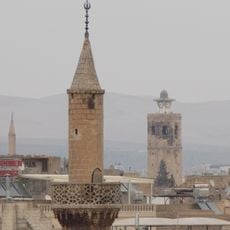
The minaret of the Grand Mosque is considered the oldest still standing in the region. Some of the symbols carved into its stonework predate Islam and are linked to the moon worship of the Sabians who lived here.
The community of curious travelers
AroundUs brings together thousands of curated places, local tips, and hidden gems, enriched daily by 91,372 contributors worldwide.