Forest Hills Historic District, Historic district in Durham, United States
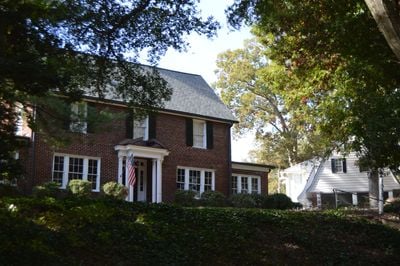
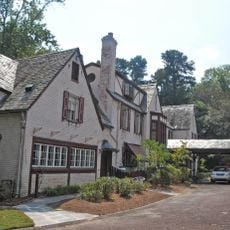
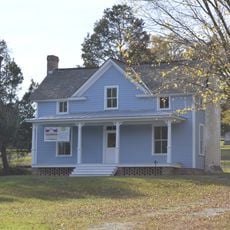
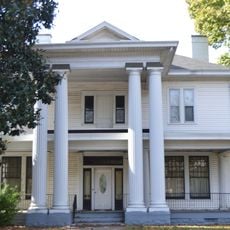
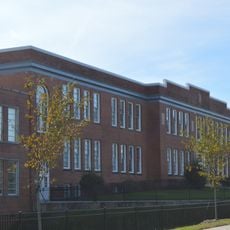
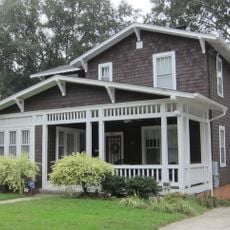
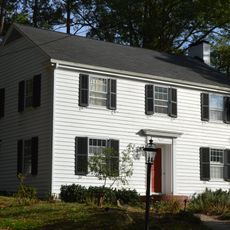
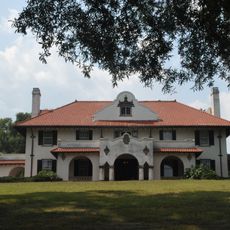
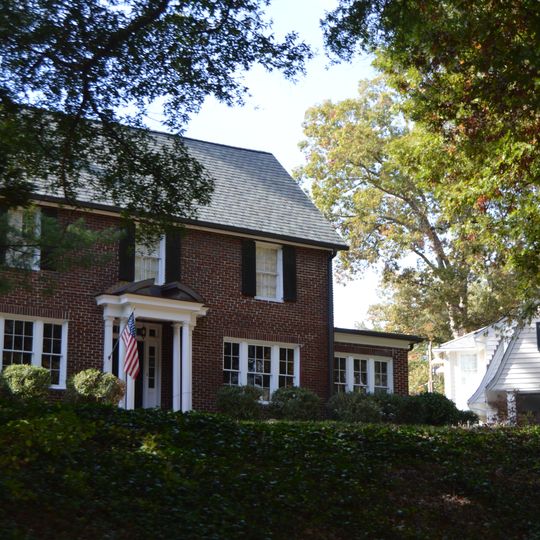
Forest Hills Historic District covers 312 contributing buildings, 3 sites and 4 structures in a residential section of Durham, built mainly between about 1923 and 1955. Colonial Revival and Bungalow/American Craftsman houses line the streets, and the district includes Forest Hills Park, the subdivision plan and the original campus of Durham Academy. It was listed on the National Register of Historic Places in 2005.
Forest Hills was laid out as Durham's first automobile suburb and listed on the National Register of Historic Places in 2005. Its 312 contributing buildings, 3 sites and 4 structures date mainly from about 1923 to 1955, with notable Colonial Revival and Bungalow/American Craftsman examples. Forest Hills Park, the subdivision plan and the original Durham Academy campus are among the contributing resources.
Forest Hills Park is the district's main public space, and the separately listed Mary Duke Biddle Estate recalls heiress and philanthropist Mary Duke Biddle Trent Semans, who lived in the neighbourhood. The district also appears in accounts of the 2001 death of Nortel executive Kathleen Peterson at her home here.
Forest Hills lies in central Durham, bounded roughly by Kent Street and Bivins Street, and is best covered on foot along its residential streets. The district was listed on the National Register of Historic Places in 2005, so the brick houses, porticos and shuttered windows reward a slow walk. Forest Hills Park provides a stopping point within the district.
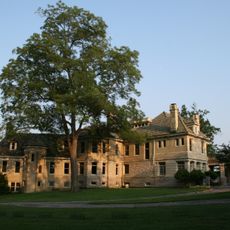
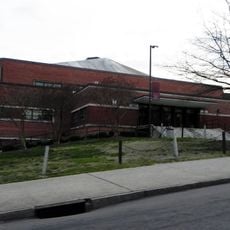
The former golf course clubhouse became home to Durham Academy in 1933 when Ann Hill founded the Calvert Method School there. This building marks an unexpected shift from recreation to education in the neighborhood's story.
The community of curious travelers
AroundUs brings together thousands of curated places, local tips, and hidden gems, enriched daily by 92,593 contributors worldwide.