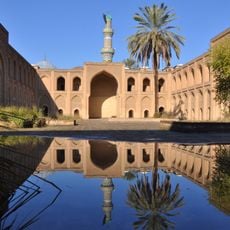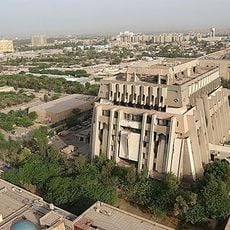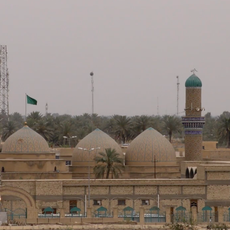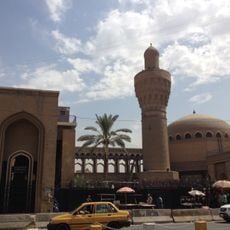
Al-Rusafa, Administrative district on the eastern bank of Tigris River in Baghdad, Iraq
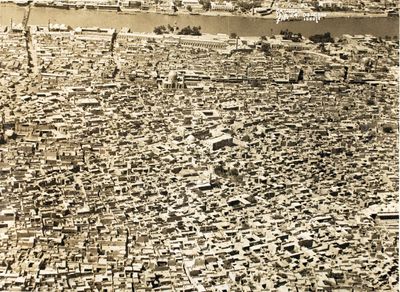
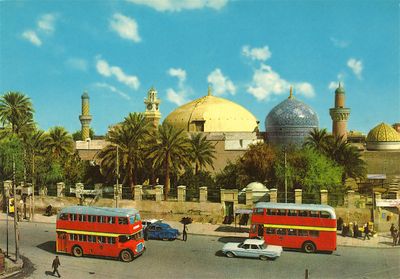
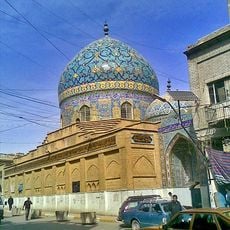
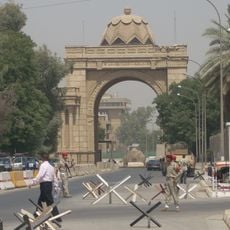
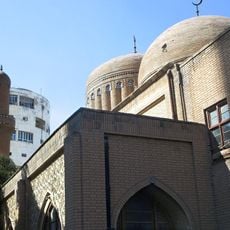
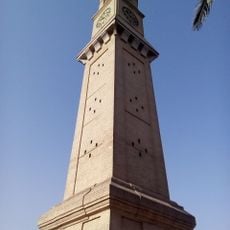
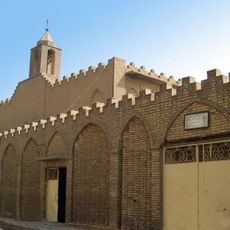
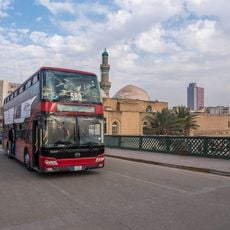
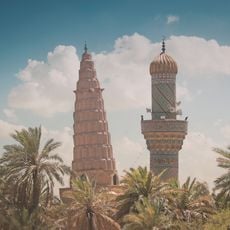
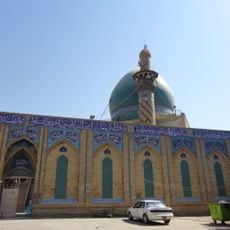
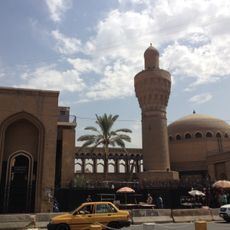
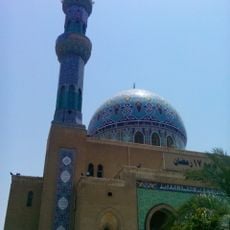
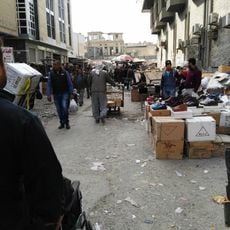
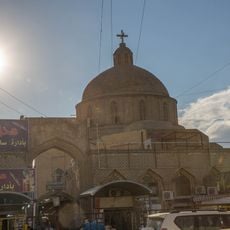
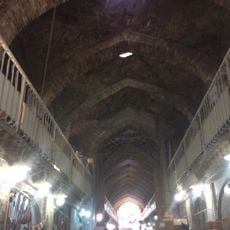
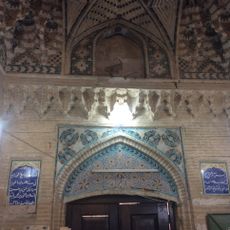
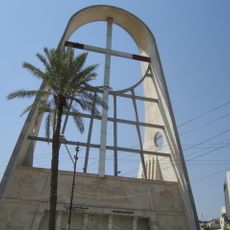
Al-Rusafa spans the eastern section of Baghdad, linking multiple neighborhoods through major streets like Palestine Street and Abu Nuwas Street. The district contains government offices, universities, commercial centers, religious sites including the Imam Ahmad bin Hanbal Shrine, and various markets.
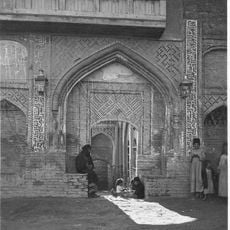
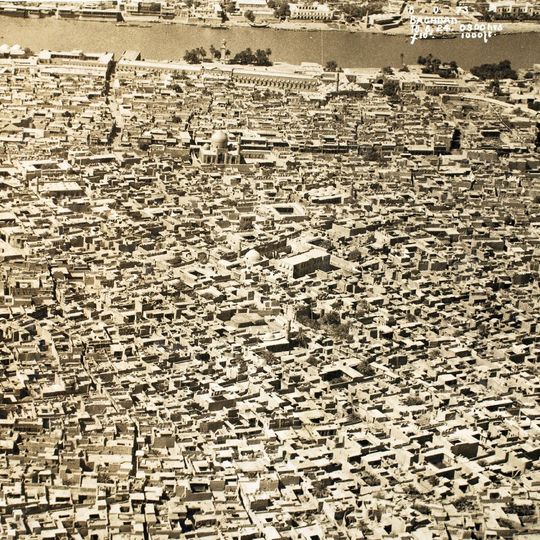
The district emerged in the 8th century during Caliph al-Mansur's reign and was completed in 776 under al-Mahdi as a planned residential complex. Its origins during this early Islamic period shaped it as an organized urban area.
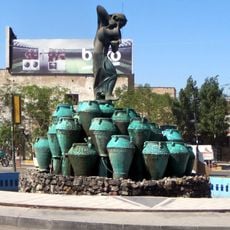
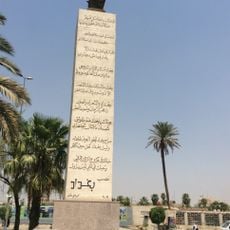
The district houses important artworks like the Freedom Monument in Liberation Square and a sculpture of Scheherazade along Abu Nuwas Street. These pieces shape how the neighborhood looks and reflect the artistic traditions that have developed here.
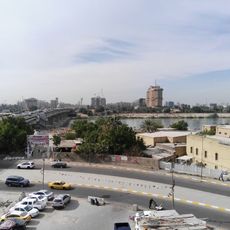
The district connects to the western side of Baghdad via nine bridges across the Tigris, making access and transit convenient. Visitors should note that the major streets ease orientation through the area and link different sections together.
The district was originally designed as a residential complex and maintained this purpose for centuries before gradually becoming an administrative and commercial hub. This slow shift from purely residential to mixed-use shaped what the area is today.
The community of curious travelers
AroundUs brings together thousands of curated places, local tips, and hidden gems, enriched daily by 91,842 contributors worldwide.