Malay Archipelago, Geographic island chain between Mainland Southeast Asia and Australia.
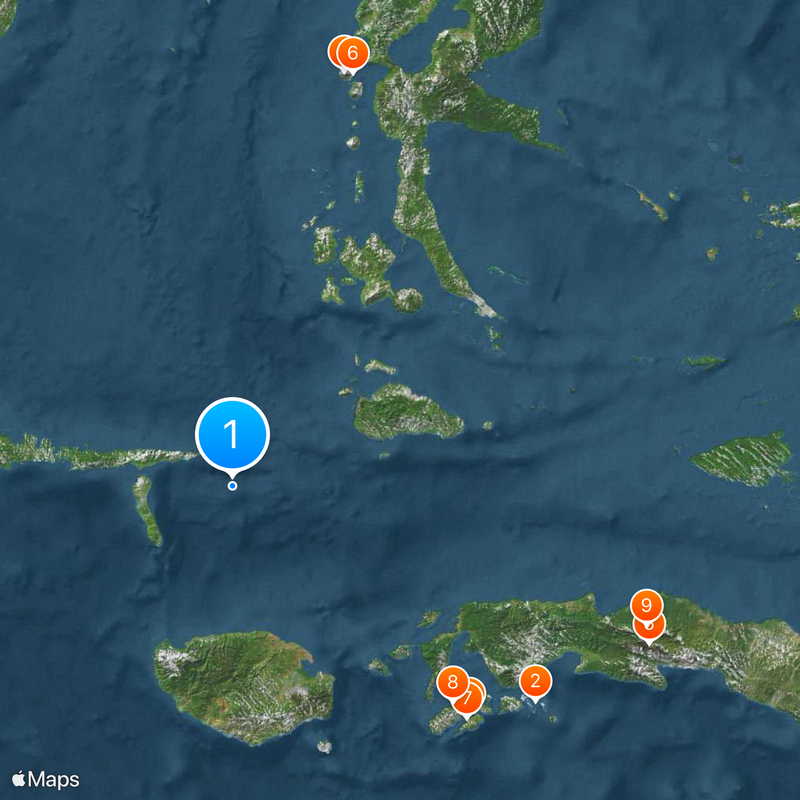
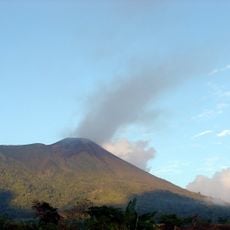
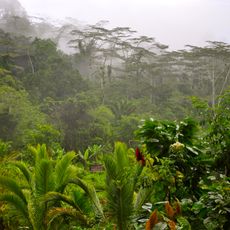
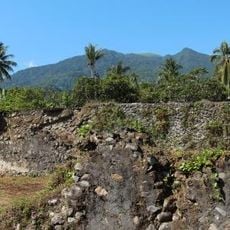
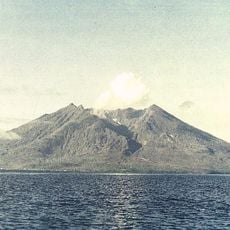
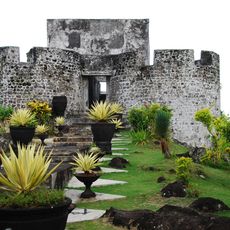
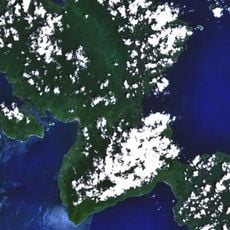
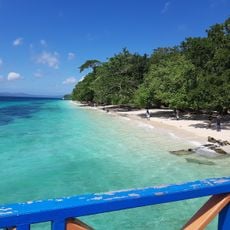
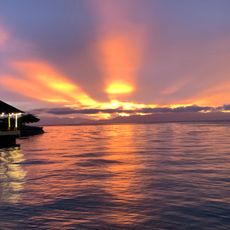
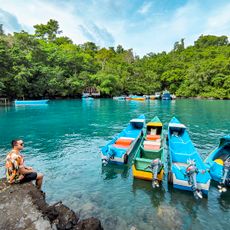
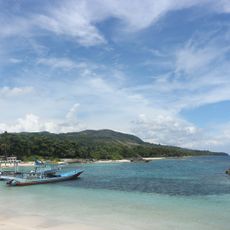
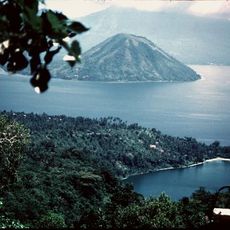
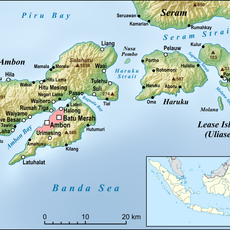
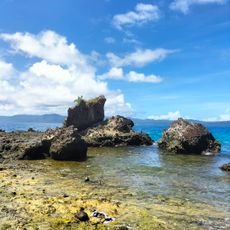
The Malay Archipelago is an island group in Southeast Asia between the Asian mainland and Australia, stretching several thousand kilometers from Sumatra to the Moluccas. The landscape shifts between volcanoes, rainforests, coral reefs, and narrow straits that separate individual islands from one another.
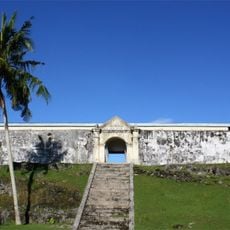
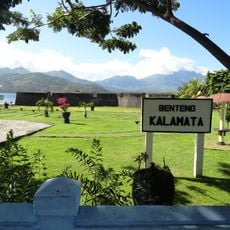
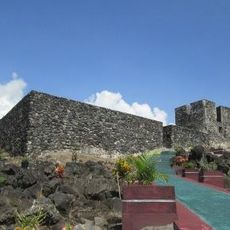
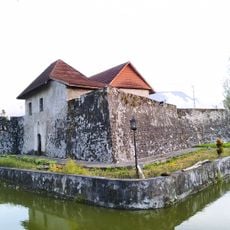
Portuguese and Dutch sailors reached the islands from the 16th century onward in search of spices, marking the start of European colonial presence. The term itself was coined in the 19th century by Western scholars to describe the geographic extent of this island world.
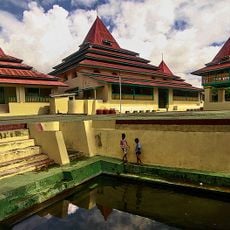
Hundreds of ethnic groups live across the islands, each preserving its own language and way of life. In many villages on the outer islands, families still build wooden houses on stilts and earn their living through fishing or rice farming on terraced fields.
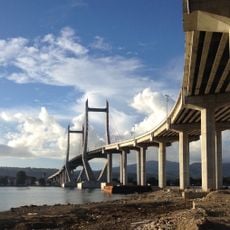
Most islands lie in tropical latitudes with high humidity year-round, though the rainy season varies between May and October depending on location. Boat connections and small aircraft serve as the main transport between remote islands, while larger islands have road networks.
The British naturalist Alfred Russel Wallace observed during his travels in the 19th century that animal species on either side of a narrow strait were completely different. This invisible boundary still separates Asian mammals such as tigers from Australian marsupials such as kangaroos today.
The community of curious travelers
AroundUs brings together thousands of curated places, local tips, and hidden gems, enriched daily by 60,000 contributors worldwide.