Wapauwe Old Mosque, 15th-century mosque in Kaitetu, Indonesia
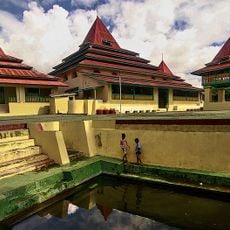
Wapauwe Old Mosque is a 10 by 10 metre wooden mosque with a multi-tiered roof resting on four saka guru pillars of kanjoli or bintanggur wood. Its walls are covered in gaba-gaba, dried sago fronds, and the roof is thatched with rumbia leaves. A 6.35 by 4.75 metre porch was added in 1895, and the main door carries spearhead-shaped ornaments with calligraphy and a turtle-shaped brass plate.
The building was founded in 1414 and relocated to its current site in 1614 when Imam Rijali moved the community to escape Dutch colonial pressure. This relocation marked a turning point in local religious history.
The mosque's name comes from wapa, "wild mango", and uwe, "tree" in the Kaitetu language, after the wild mango grove where it was rebuilt. A poetry book on Muhammad's life kept here is sung by villagers, especially during the annual Mawlid. The mosque is maintained jointly by Kaitetu's Christian and Muslim communities.
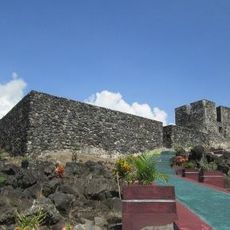
The mosque stands in Kaitetu village, about 150 metres south of the ruined Portuguese church and 50 metres further from Fort Nieuw Amsterdam. The 10 x 10 metre main hall and the 1895 porch are still used for Friday and five daily prayers, so visitors should time a visit outside prayer and remove shoes before entering the raised wooden floor.
The entire wooden structure was assembled without nails or pegs, instead using rope made from a local material called gamuttu. This connection method reveals the ingenuity of the craftspeople who built it.
The community of curious travelers
AroundUs brings together thousands of curated places, local tips, and hidden gems, enriched daily by 94,500 contributors worldwide.