Setapak, township in Federal Territory of Kuala Lumpur
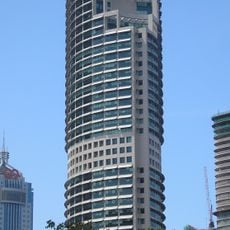
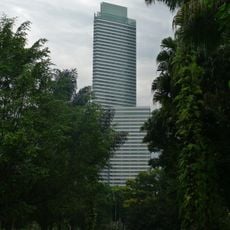
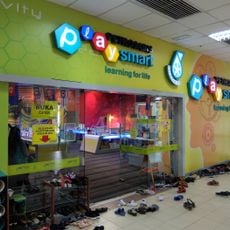
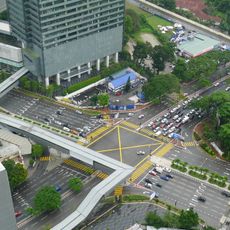
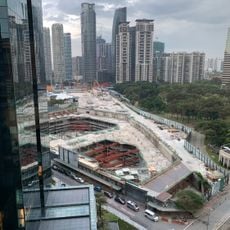
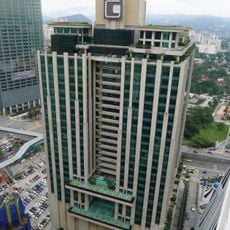
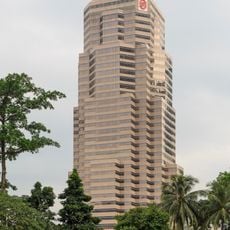
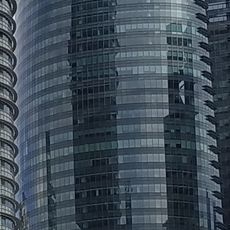
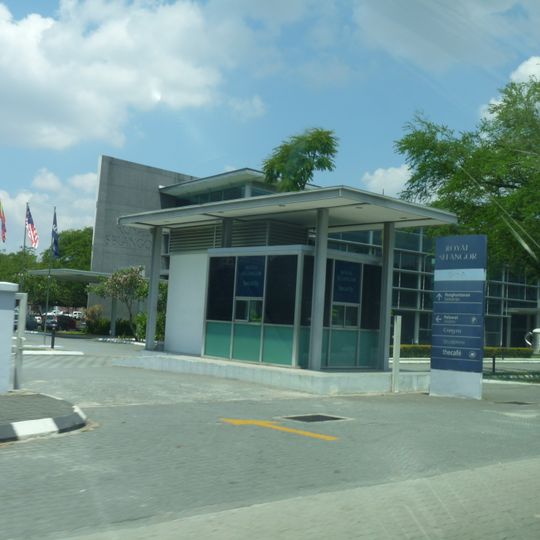
Setapak is a suburb in northeastern Kuala Lumpur surrounded by hills and mountains that give the area a connection to nature. The neighborhood has a mix of older housing and new apartments, shopping centers, and food establishments, with good access to major roads and public transportation.
Setapak was originally a center for tin mining and rubber farming in the early 1900s, with Minangkabau and Orang Asli communities as the earliest inhabitants. The area received its name in 1884 as a sign of respect for a local leader, and later developed into a residential neighborhood with schools and colleges.
The name Setapak means "one step" in Malay and refers to its historical position near Kuala Lumpur. Today you can see how residents move through the neighborhood on foot to visit markets, try local food from different communities, and gather in outdoor spaces that reflect the area's mixed heritage.
The area is easy to reach with convenient access to bus stops and train lines, with new train services being built to make commuting even easier. Visitors should walk through the night market at Taman Setapak or explore the natural hot springs at Air Panas, with comfortable shoes recommended for getting around different parts of the neighborhood.
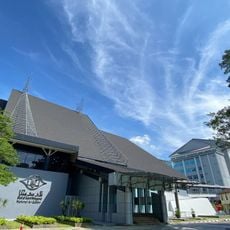
The neighborhood has a pewter crafts museum where visitors can watch artisans making pewter items and learn about this traditional craft's history. Loke Yew Hill, a historical site with ruins and a family burial site, stands as a reminder of Wong Loke Yew, a wealthy Chinese businessman who shaped the area's early development.
The community of curious travelers
AroundUs brings together thousands of curated places, local tips, and hidden gems, enriched daily by 92,425 contributors worldwide.