Diego de Almagro, Chilean city and commune in Chañaral Province, Atacama Region
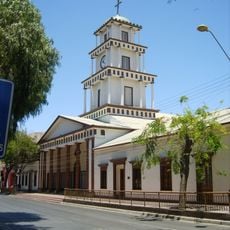
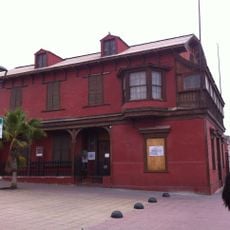
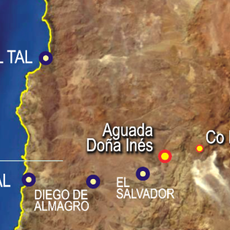
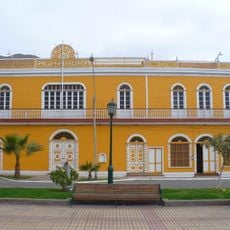
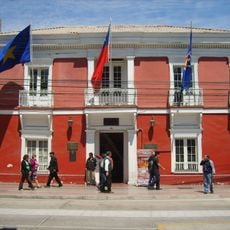
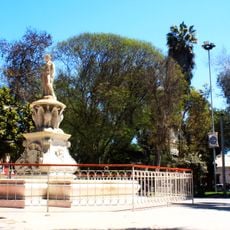
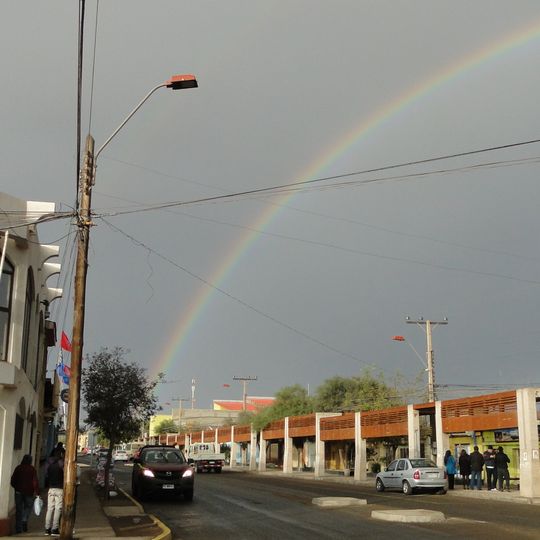
Diego de Almagro is a small city in Chañaral Province within Chile's northern desert region, featuring simple brick and concrete houses, wide quiet streets, and clear views across flat plains. The town developed around mining work and is defined by basic shops, cafés where workers relax, and small parks where residents gather, with daily life moving at a steady, work-focused pace.
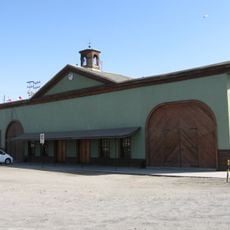
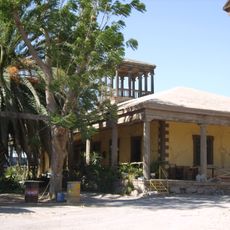
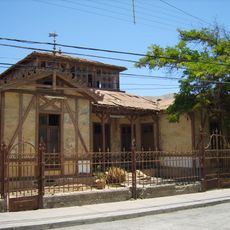
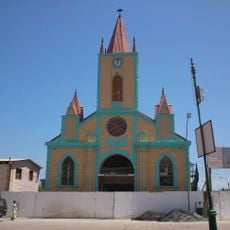
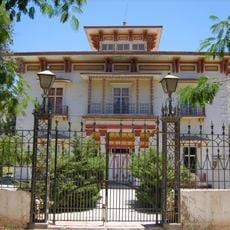
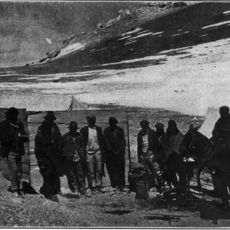
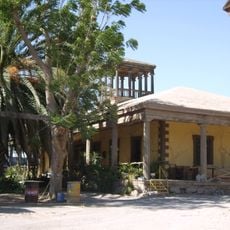
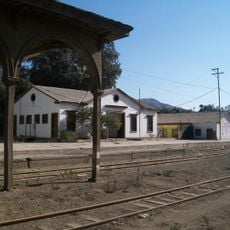
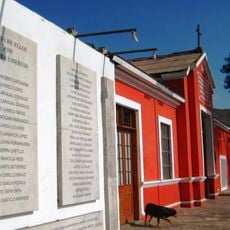
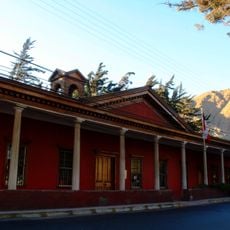
The city emerged through mining activities in the region, with early work at the Tres Gracias mine beginning around the 1600s. In the early 1900s, it became an important railway hub, and many buildings from that period remain today, shaping the townscape as reminders of that era of transport importance.
The city is named after the Spanish explorer who sought resources in this region centuries ago, and this historical connection shapes the local identity today. The culture here centers on mining heritage and rural life, where people maintain strong ties through work, family gatherings, and modest celebrations that include music and shared meals.
The city is connected by road to larger towns and is straightforward to reach, making it easy to visit as part of exploring northern Chile. It is best explored during daytime when skies are clear and bright, while desert nights grow cool and require warmer clothing.
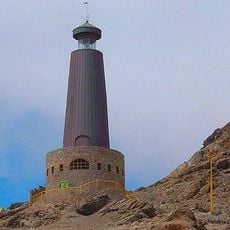
The site was once known as Pueblo Hundido, referring to the flat sunken terrain that seems to surround the town. Another notable feature is the nearby Potrerillos copper smelter, an industrial landmark that processed ore for nearly 50 years and documents the site's economic origins and working culture.
The community of curious travelers
AroundUs brings together thousands of curated places, local tips, and hidden gems, enriched daily by 92,638 contributors worldwide.