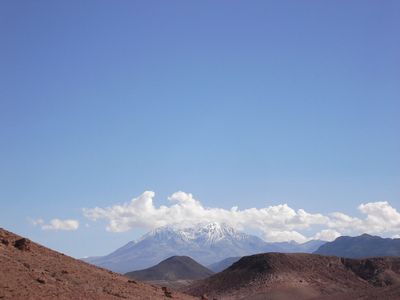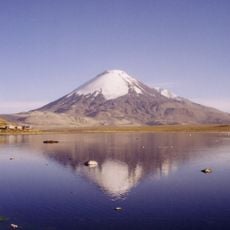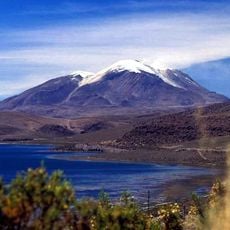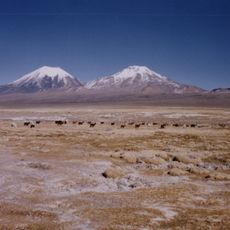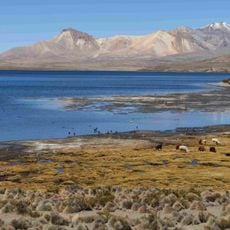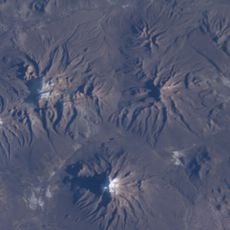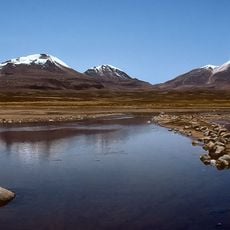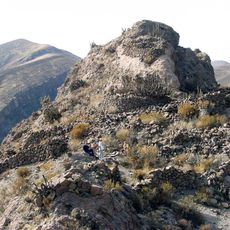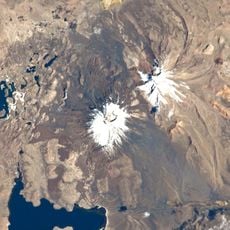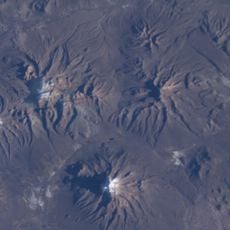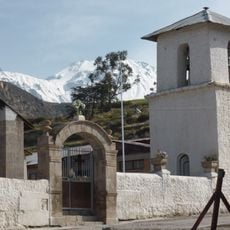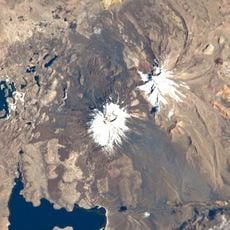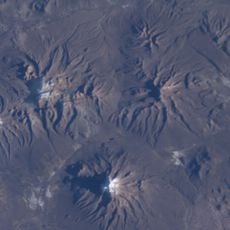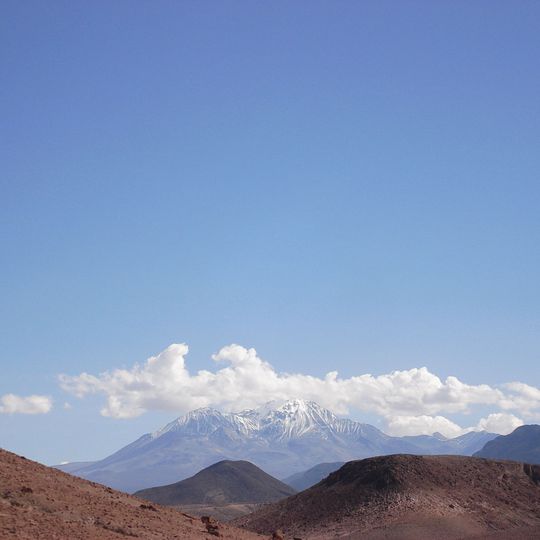
Taapaca, Stratovolcano in northern Andes, Chile.
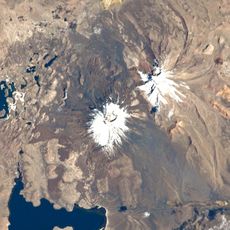
Taapaca is a stratovolcano in the northern Andes of Chile, with a cone-shaped profile that rises to around 5,800 meters. The flanks are built from layers of lava and ash, and the upper part of the mountain is often covered with ice and snow.
The volcano took shape more than a million years ago and went through several eruptive phases that built up its current form over time. Each phase left new layers of rock that make the mountain's long history readable in its structure.
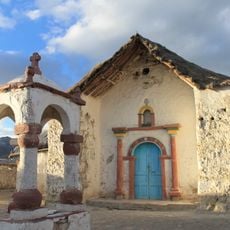
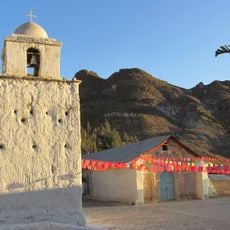
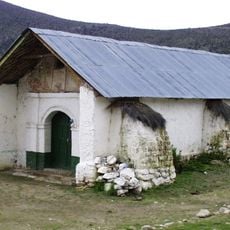
The Aymara communities of the region see the mountain as a sacred place tied to their ceremonies and oral traditions. Visitors traveling through nearby villages can still notice this connection in local rituals and festivals today.
Climbing the volcano requires mountaineering gear and solid physical preparation, as the altitude makes the effort considerably harder. Before heading up, it is worth checking with local authorities in nearby towns about current conditions and any permits that may be needed.
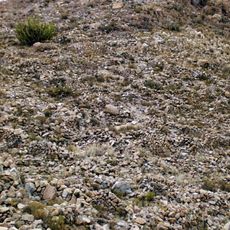
The volcano's rock contains unusually large mineral crystals that become visible when you look closely at the surface. These crystals formed deep inside the mountain under extreme pressure and are rarely found in volcanoes of this type.
The community of curious travelers
AroundUs brings together thousands of curated places, local tips, and hidden gems, enriched daily by 91,251 contributors worldwide.