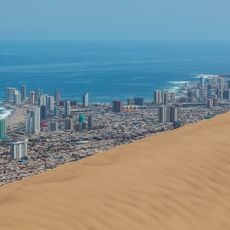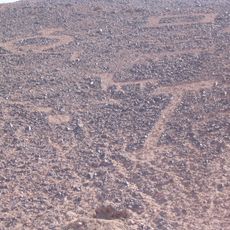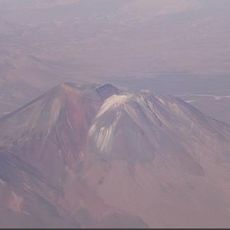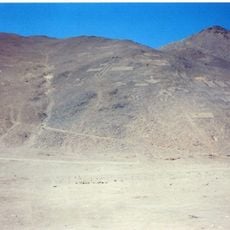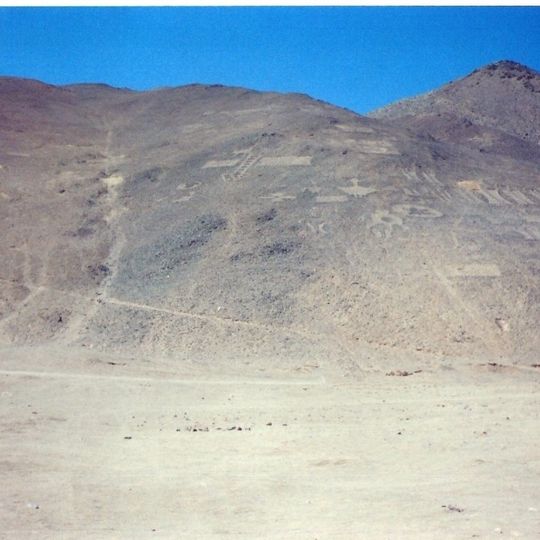
Pampa del Tamarugal, Vast plain and endorheic basin in Tarapacá Region, Chile.
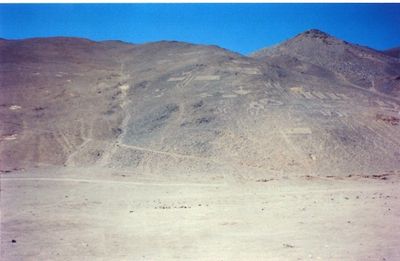
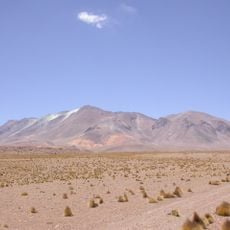
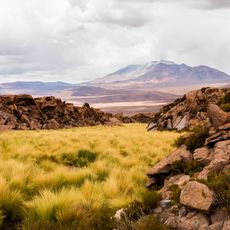
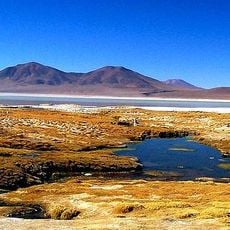
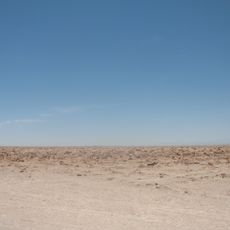
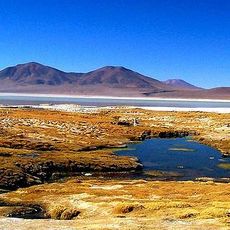
The Pampa del Tamarugal is a vast plain and endorheic basin in the Tarapacá Region, stretching between the Coastal Range and the western slopes of the Andes. This high-altitude terrain sits at roughly 900 meters elevation and displays sparse vegetation typical of this arid highland.
The area formed from ancient inland lakes that left behind salt deposits and created substantial reserves of nitrate and iodine. These valuable minerals have been extracted since colonial times and shaped the region's economic past.
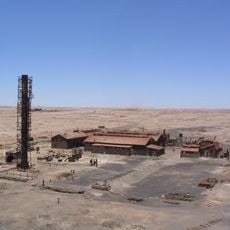
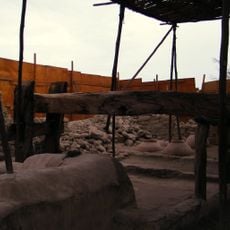
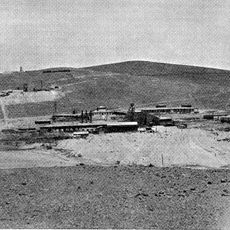
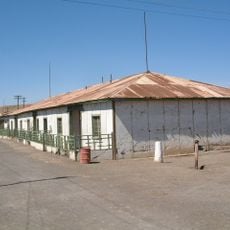
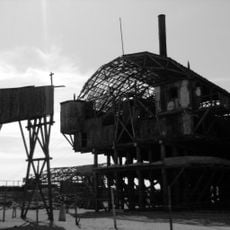
The Humberstone and Santa Laura Saltpeter Works showcase the industrial heritage of northern Chile through preserved mining installations. These sites tell the story of when the region was a major center for salt and mineral extraction.
The region experiences extreme temperature swings between intense heat and cold, with around 250 clear days each year. Visitors should prepare for very dry conditions and strong sun exposure.
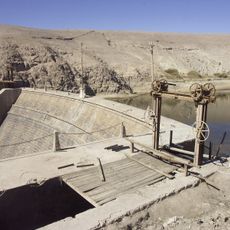
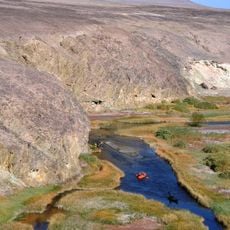
Underground water reserves beneath the plain supply drinking water to the city of Iquique and enable cultivation of vegetables, fruits, and native tamarugo trees. This hidden water system makes farming possible in this extreme desert environment.
The community of curious travelers
AroundUs brings together thousands of curated places, local tips, and hidden gems, enriched daily by 91,299 contributors worldwide.