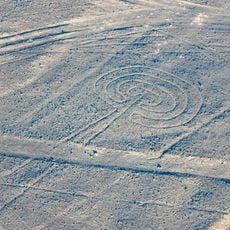
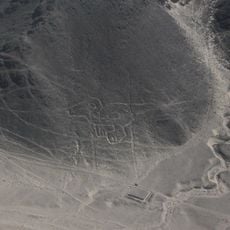
Ñawpallaqta, Lucanas, Archaeological site in Lucanas Province, Peru
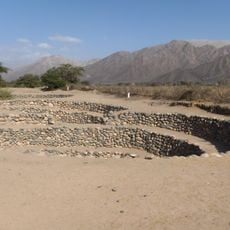
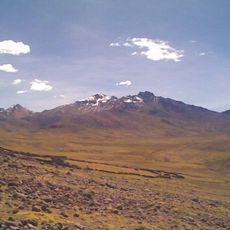
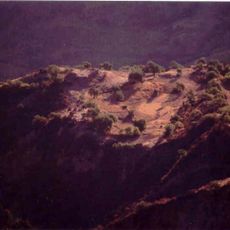
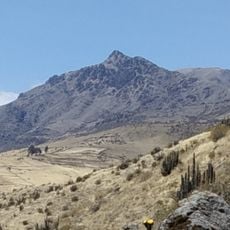
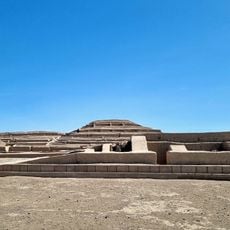
Ñawpallaqta is an archaeological site in Lucanas, Peru, situated on steep mountain slopes at around 4,030 meters elevation and containing stone structures with agricultural terraces in the Kinwamayu valley. The remains show a dense network of buildings and cultivation areas skillfully integrated into the steep terrain.
The site was a settlement of the Wari civilization, which controlled this Andean region between 600 and 1,000 CE. Later, the Inca Empire expanded into the area and incorporated it into their realm.
The name comes from Quechua, combining 'ñawpa' meaning ancient with 'llaqta' meaning settlement, reflecting the place's role as a historical center. Local communities maintain connections to Quechua traditions, and the name itself preserves the link to pre-Columbian roots.
The location is remote and very high, so physical preparation and plenty of water are essential. Arrange transport from nearby towns beforehand and allow time to acclimatize to the thin air.
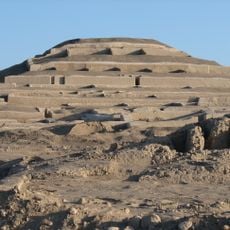
The site displays impressive construction techniques including precisely fitted stone walls and an ingenious terracing system that reveal the engineering skills of the Wari people. This building method allowed residents to farm successfully on extreme slopes.
The community of curious travelers
AroundUs brings together thousands of curated places, local tips, and hidden gems, enriched daily by 91,720 contributors worldwide.