Ed-Dur, Archaeological site in the Emirate of Umm Al Quwain, United Arab Emirates
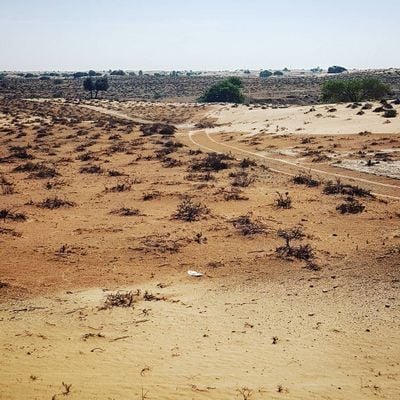
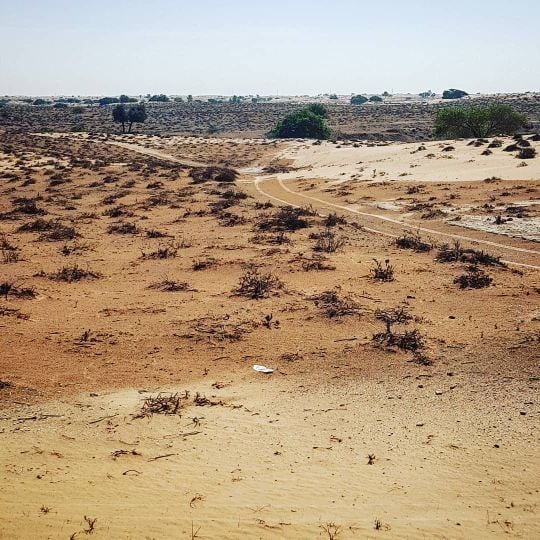
Ed-Dur is an ancient archaeological site on the coast of the Emirate of Umm Al Quwain in the United Arab Emirates, with the remains of buildings, tombs, and objects from an early settlement. The ruins cover a wide, flat area near the sea and include a temple, burial grounds, and traces of domestic structures.
Ed-Dur grew into a busy port town around the 1st century BCE, connecting traders from the Mediterranean, Mesopotamia, and the Indian subcontinent. The settlement was eventually abandoned and remained buried under sand for centuries until excavations began in the 20th century.
The name Ed-Dur is Arabic for "the houses", after the dozens of dwellings that once covered the hills here. The site's temple honoured the sun god Shams, and archaeologists compare its plan to the Temple of the Sun at Hatra in Iraq. Coins struck at Ed-Dur carry the head of Heracles, a seated Zeus and the name Abi'el in Aramaic, and they match moulds found inland at Mleiha.
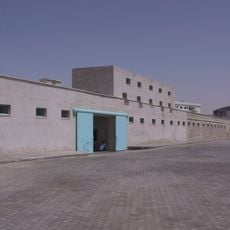
The site is on open coastal land and is generally accessible on foot, with guided tours available through the local heritage authority. The ground is uneven in places and there is little shade, so sturdy shoes and sun protection are a good idea.
Excavations at this site uncovered alabaster window panes, the earliest known use of this material as a building element on the Arabian Peninsula. This points to trade connections that brought rare materials to the settlement from far away.
The community of curious travelers
AroundUs brings together thousands of curated places, local tips, and hidden gems, enriched daily by 94,553 contributors worldwide.