Greek Theatre of Butrint, Ancient Greek theatre in Butrint, Albania
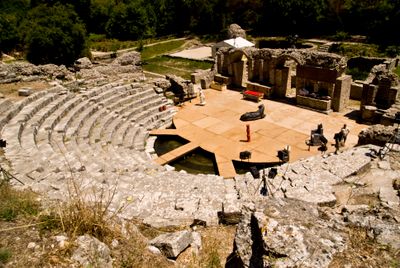
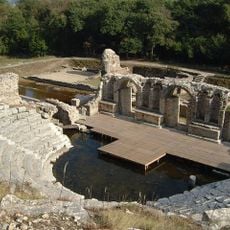
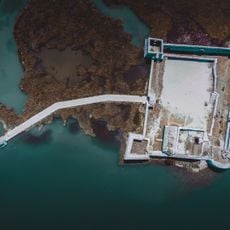
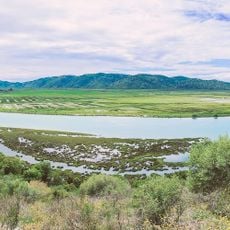
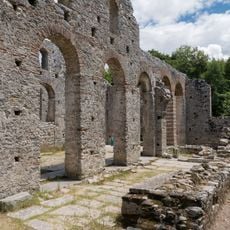
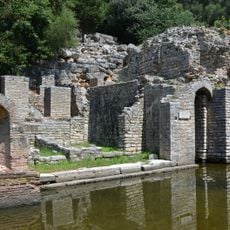
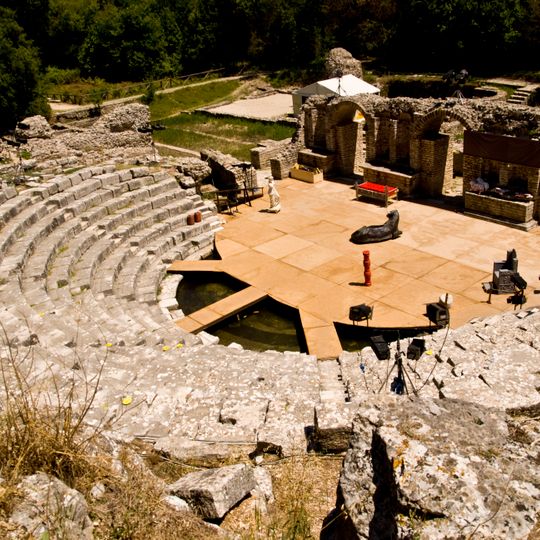
The Greek Theatre of Butrint is an open-air ancient theatre set within the archaeological site of Butrint in southern Albania. Stone seating tiers rise along a wooded hillside and face a central stage area where foundation walls and scattered column fragments are still visible at ground level.
The theatre was built during the Hellenistic period, when the settlement of Butrint was growing into a regional centre, and it continued in use after Roman forces took control of the area. Italian archaeologists excavated it between 1928 and 1932, bringing carved stone inscriptions to light that had been buried for centuries.
The seating rows are carved directly into the slope of the hill, which allowed the builders to work with the natural terrain rather than against it. This approach gave every spectator a clear view of the stage below, a design principle that defined Greek theatre construction across the ancient world.
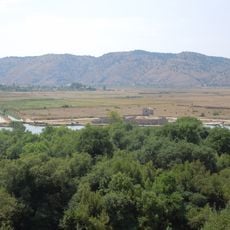
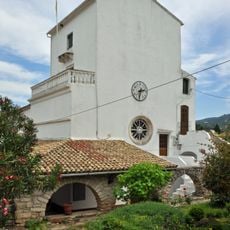
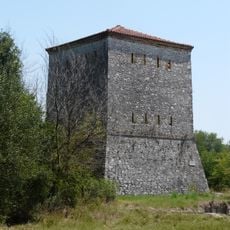
The theatre lies within the Butrint archaeological site south of Sarandë, reached by road; the site entrance is close to a short ferry crossing. Inside, the theatre is reached on foot along paths that can be uneven, so sturdy shoes help. The stage square was paved with stone slabs in the Ottoman period, a surface still visible today.
Some of the stone inscriptions found at the theatre record ceremonies in which enslaved people were formally freed, making this one of the few places where such acts were written down and preserved. This means the building served as a kind of public record office as much as a place for performances.
The community of curious travelers
AroundUs brings together thousands of curated places, local tips, and hidden gems, enriched daily by 92,619 contributors worldwide.