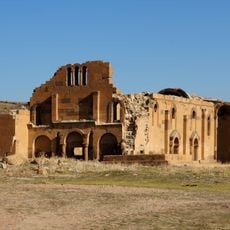
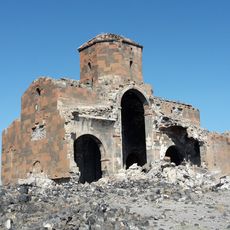
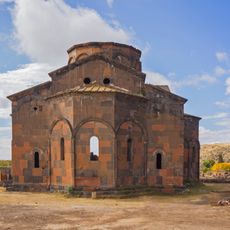
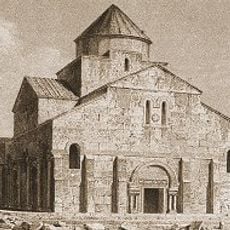
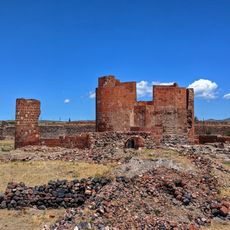
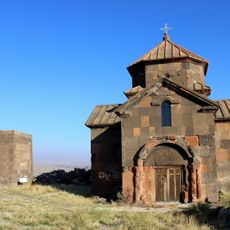
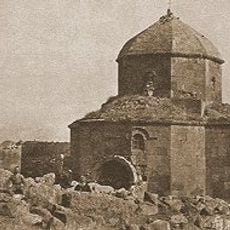
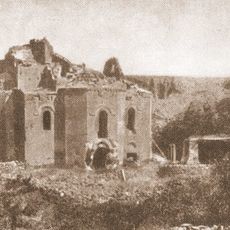
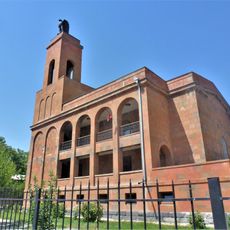
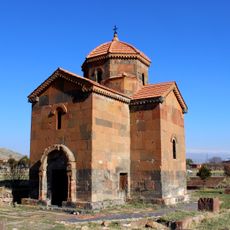
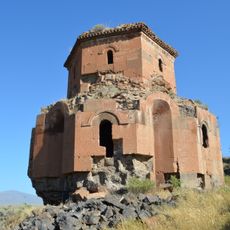
Bagaran, Archaeological site near Akhurian River, Armenia.
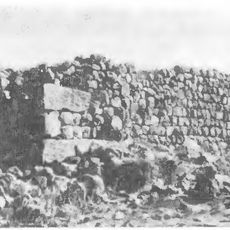
Bagaran was a fortress-city in the Arsharunik canton of Ayrarat, on the right bank of the Akhuryan near its confluence with the Aras, about 8–9 km north of Yervandashat. The Akhuryan gorge enclosed it on three sides. Its walled citadel held the Bagratid royal palace and dynastic tomb; orchards and the walled Tsnndots forest-park lay nearby.
A king established this settlement in the third century BC as Armenia's main religious center, giving it major importance in the region. This founding marked a turning point in Armenia's spiritual landscape, as other sacred places lost their prominence.
The name Bagaran means "place of altars," from the pagan altars (bagin) that Orontes IV moved here from Armavir. The city kept a cult role after the idols went to Artashat, until Armenia's conversion to Christianity. Villagers digging foundations on the Mijin Gyugh hill later found pagan graves and small stone idols.
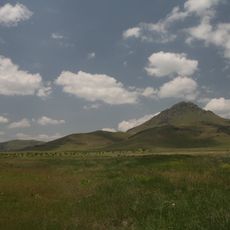
The site is in open landscape and best explored on foot, since ruins are spread across several hills. There is little shade, so bring water and sun protection, especially on hot days.
Villagers digging foundations on the hill called Mijin Gyugh around 1900 found pagan-era graves, small stone idols and other antiquities. Traces of Orontes IV's temples survived until the early 20th century, and shrublands are all that remain of his walled Tsnndots forest.
The community of curious travelers
AroundUs brings together thousands of curated places, local tips, and hidden gems, enriched daily by 94,507 contributors worldwide.