Santa Cruz River, River system in Santa Cruz Province, Argentina
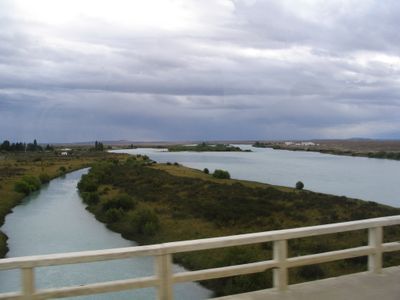
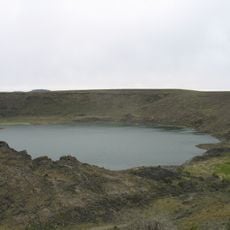
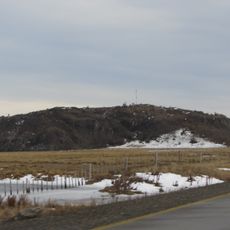
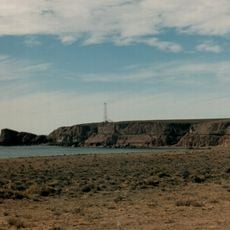
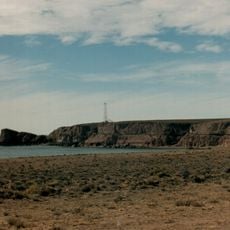
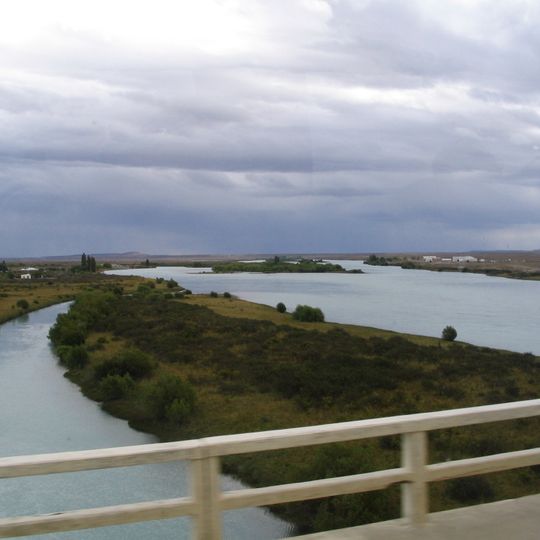
The Santa Cruz River is a major river system in southern Argentina that flows from Lake Argentino to the South Atlantic Ocean. It winds through diverse landscapes, crossing open plateaus and carved valleys across more than a hundred kilometers.
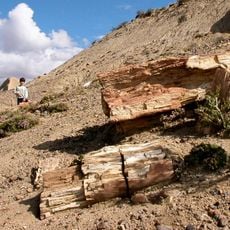
The river became known during Charles Darwin's expedition in 1834 when he studied the geological features and landscape along its course. This early exploration helped scientists understand the formation and character of Patagonia.
The Tehuelche indigenous people built settlements along these waters, relying on fish and wildlife for survival and sustenance. Their connection to the river shaped their movements through this vast land for generations.
The river maintains a steady flow year-round, though its strength varies with the seasons and weather patterns. Visitors should bring sturdy footwear and windproof clothing, as the Patagonian region can be exposed and unpredictable.
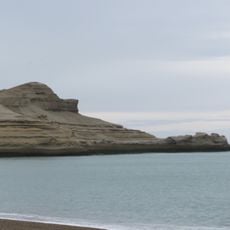
The water originates from glacial melt high in the Andes mountains and carries mineral-rich sediments across the Patagonian plateau. This gives the river a distinctive pale gray color that changes with the light and season.
The community of curious travelers
AroundUs brings together thousands of curated places, local tips, and hidden gems, enriched daily by 90,790 contributors worldwide.