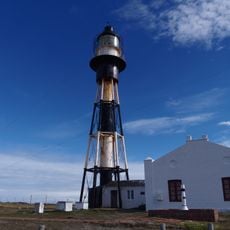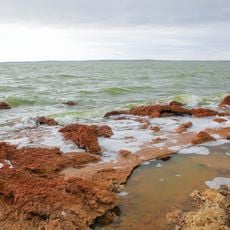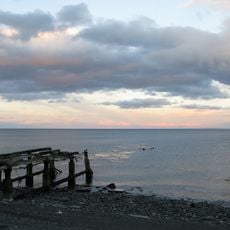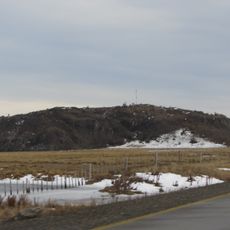
Pali-Aike Cave, Archaeological cave in San Gregorio, Chile.
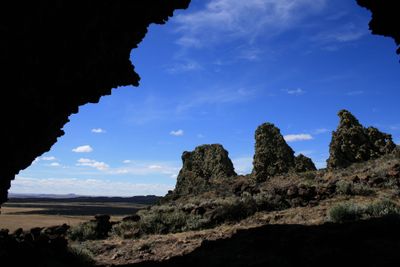
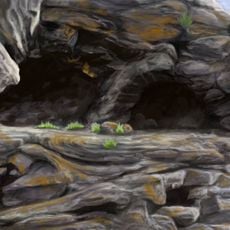
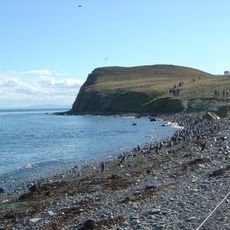
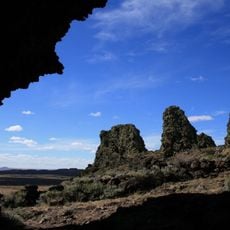
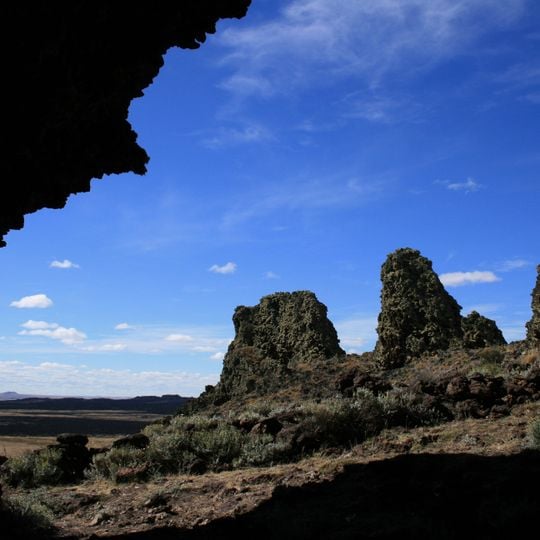
Pali-Aike Cave is a formation in volcanic rock created by ancient lava flows, located within a remote national park in southern Chile. The cave features multiple connected chambers and sits within a sparse, rocky landscape shaped by geological forces.
The site shows evidence of human presence during the Pleistocene, when hunter-gatherer groups moved through this region. Excavations uncovered tools and bones revealing how people hunted large animals that are now extinct.
The cave marks where ancient peoples set up hunting camps and left traces of their daily lives in stone. It shows how humans adapted to survive in one of the continent's harshest landscapes.
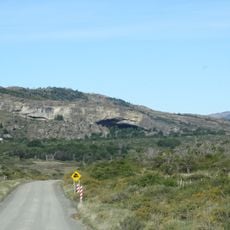
The cave sits within a national park accessible by car along rural roads, located several hours from larger towns. Visitors should wear warm layers, sturdy shoes for rocky terrain, and bring water for the exposed landscape.
The cave contains fossils of extinct horses that once roamed South America and were discovered during excavations. These findings help researchers understand which animals early people knew and hunted.
The community of curious travelers
AroundUs brings together thousands of curated places, local tips, and hidden gems, enriched daily by 91,138 contributors worldwide.