Pali-Aike National Park, National park in Magallanes Province, Chile.
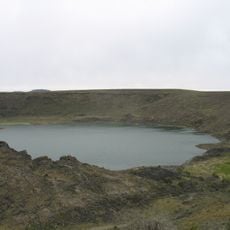
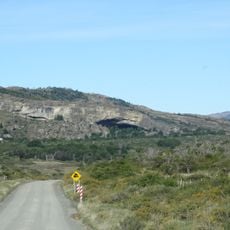
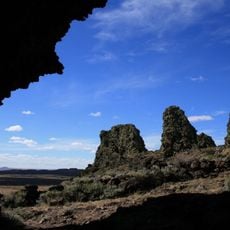
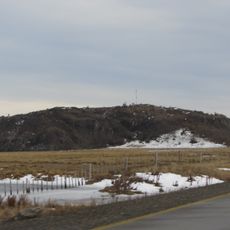
Pali-Aike National Park is a reserve in southern Chile covering thousands of hectares shaped by volcanic activity. The park features dark lava fields, crater depressions, and cave systems scattered across the open steppe landscape.
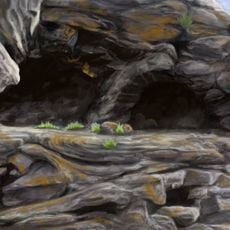
Junius Bird discovered and studied the Pali Aike cave in the 1930s; its stone tools date to around 11,000 years BP, among the oldest in South America. Three cremated human skeletons and Pleistocene fauna remains were found there, a temporary camp of early hunters using fluted fishtail points. In 1998 the Pali Aike and Fell's caves were jointly proposed to UNESCO as World Heritage Sites.
The name Pali-Aike comes from the Tehuelche (Aonikenk) language and means "Desolate Place"; a Spanish source renders it "Lugar Desolado de los Malos Espíritus." The park takes its name from the Pali Aike Crater, a volcanic cone within the field. Visitors can see petroglyphs and rock carvings in the area, made using weathered volcanic rocks from the field as red pigments.
You need a sturdy four-wheel-drive vehicle to reach the park via unpaved roads from Punta Arenas, making advance planning necessary. The terrain is rough and the area remote, so preparing for difficult driving conditions and variable weather is important.
The park's lava flows are around 1,000 years old, and the volcanic field is the northernmost in Patagonia. Archaeologists also found cylindrical stones in the Pali Aike cave that appear to have served a ceremonial purpose, alongside fluted fishtail dart points.
The community of curious travelers
AroundUs brings together thousands of curated places, local tips, and hidden gems, enriched daily by 93,454 contributors worldwide.