Cueva Fell, Archaeological cave in Magallanes Region, Chile.
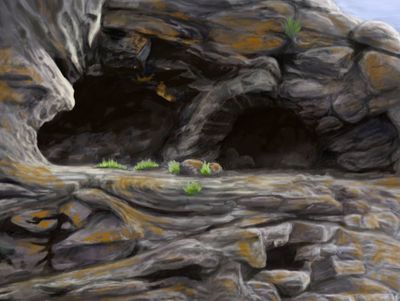
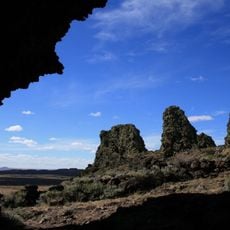
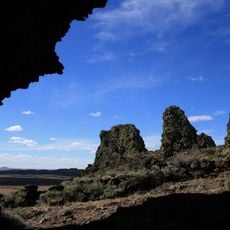
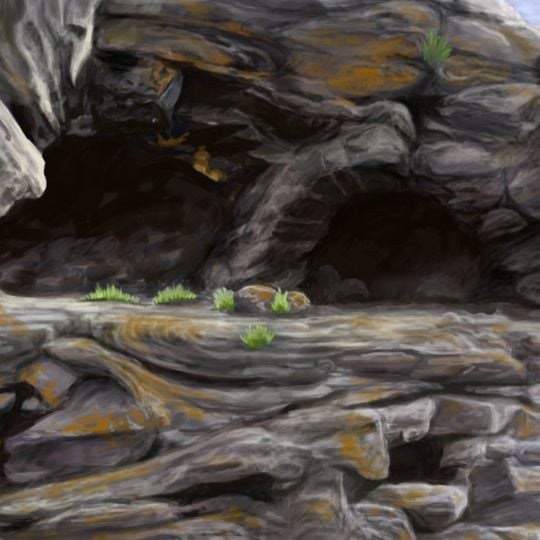
Cueva Fell is a sandstone rock shelter carved into the walls of the Rio Chico canyon in the Magallanes Region of southern Chile. A natural ceiling of lava conglomerate forms the roof of the shelter, protecting the ground beneath it from the elements over a very long period of time.
The first excavations at the site began in 1936 and uncovered five separate layers of human occupation, each one belonging to a different period. This sequence showed that people returned to this shelter repeatedly over a very long span of time.
The shelter displays hunting tools and stone implements left by some of the earliest people to live in southern South America. Walking through the site, visitors can see how these groups adapted their tools to the animals and terrain around them.
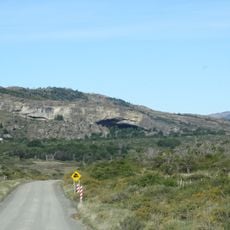
The site sits in a remote part of Patagonia and reaching it requires planning ahead and working with people who know the area well. Visitors should arrange the necessary permits before setting out, as access is not open without prior authorization.
The deepest layer of the excavation contained human remains alongside bones of giant animals that are now extinct, showing that people and these creatures lived at the same time in this part of the world. This makes the site one of the few places in the Americas where such direct evidence of this overlap has been found in a clear stratigraphic context.
The community of curious travelers
AroundUs brings together thousands of curated places, local tips, and hidden gems, enriched daily by 91,661 contributors worldwide.