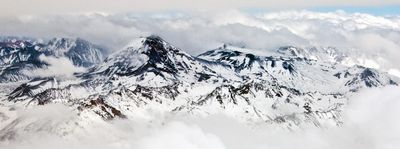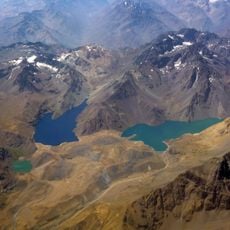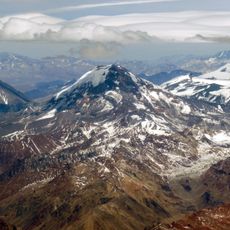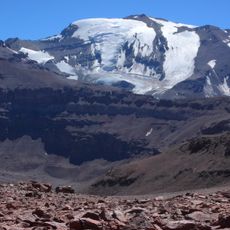
Tupungatito, Active stratovolcano in Central Andes, Chile
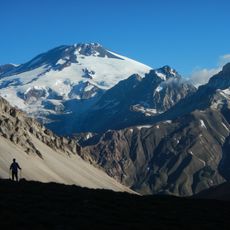
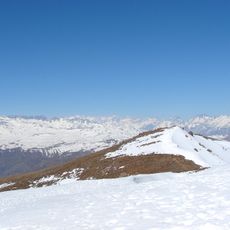
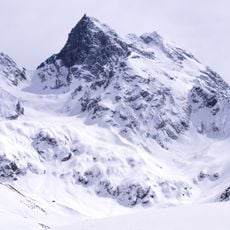
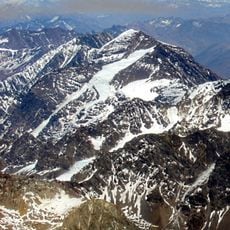
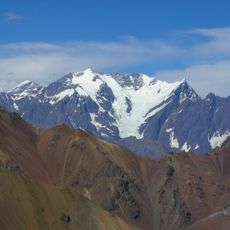
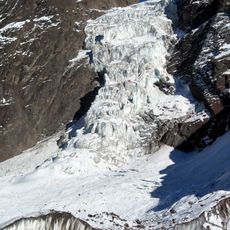
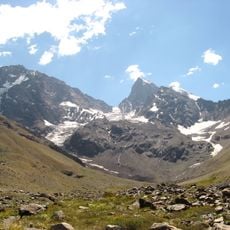
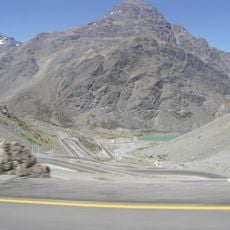
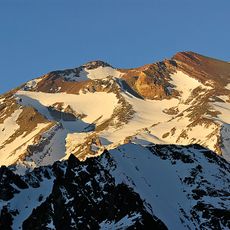
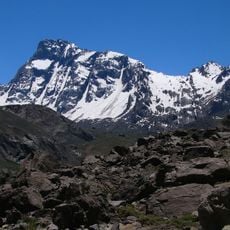
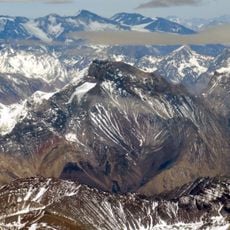
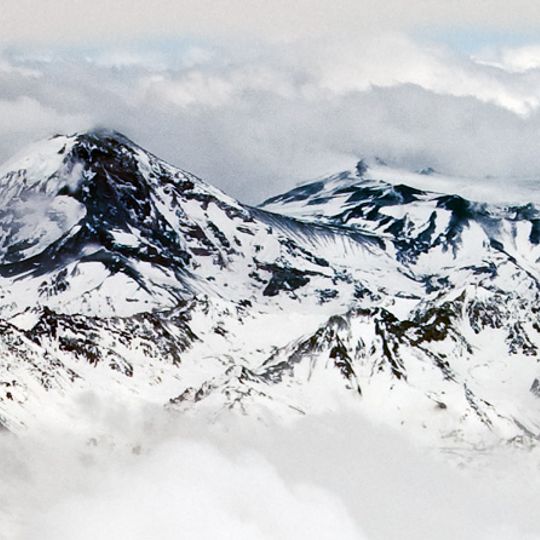
Tupungatito is an active stratovolcano located in the Central Andes between Chile and Argentina, rising to 5,570 meters. The volcano features multiple craters at its summit and is topped by extensive glaciers that spread across the upper slopes.
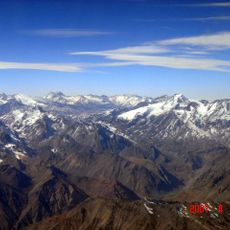
The volcano's first recorded eruption occurred in 1646, followed by dozens of documented volcanic events over the following centuries. It marks the northernmost point of active volcanism in the region's major volcanic chain.
The name comes from Mapudungun, the language of indigenous peoples, with roots meaning related to mountain and cold, connecting the place to the region's native heritage.
Climbing this volcano requires specialized mountaineering gear and significant high-altitude experience due to harsh conditions. Weather changes rapidly and unpredictably at these elevations, so careful acclimatization and planning are essential.
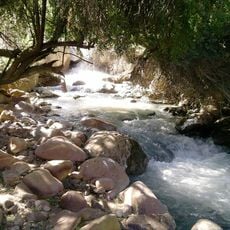
The glacier-covered summit serves as a natural water storage system whose meltwater feeds major rivers supplying millions of people downstream. This relationship between volcanic geology and water resources makes the mountain crucial to regional water security.
The community of curious travelers
AroundUs brings together thousands of curated places, local tips, and hidden gems, enriched daily by 90,927 contributors worldwide.